
Hablamos Español
Why Senior Pets Need More Frequent Vet Checkups


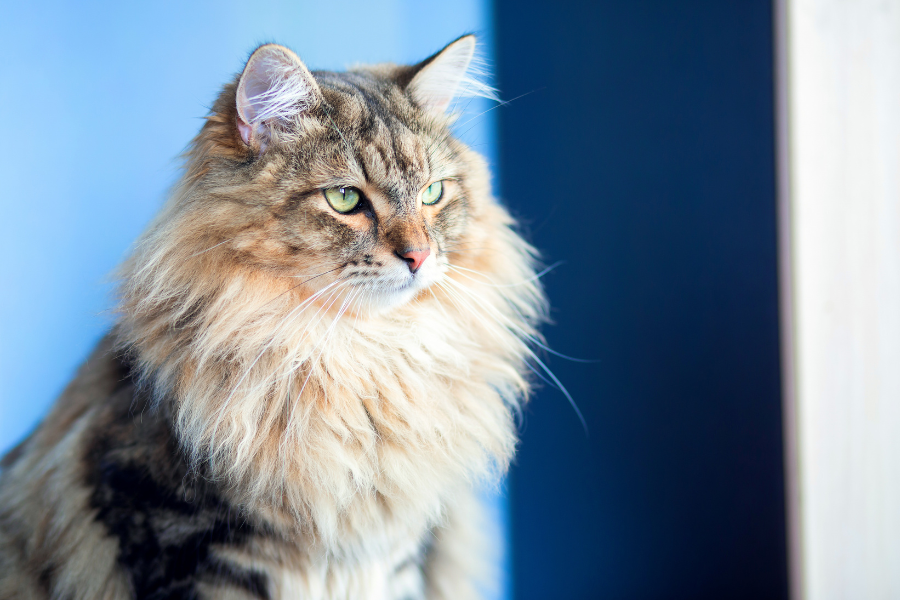
As dogs and cats grow older, their healthcare needs begin to change. Many age-related conditions develop slowly and may not cause obvious symptoms until they have already progressed. More frequent senior pet checkups allow veterinarians to detect health concerns earlier, monitor ongoing conditions, and help your pet enjoy the best possible quality of life. At Lakewood Animal Hospital in Locust Grove, VA, many pet owners are surprised to learn that pets can appear healthy while underlying medical problems are developing. This guide explains why senior pets benefit from regular veterinary visits, what happens during these exams, and how proactive care helps support healthy aging.
Why Do Senior Pets Need More Frequent Vet Checkups
Senior pet checkups are important because older pets experience physical changes that increase their risk of developing chronic medical conditions. More frequent examinations help identify these changes before they begin affecting your pet’s comfort and daily life.
Many diseases become easier to manage when they are found early.
As pets age, veterinarians monitor for changes involving:
- Weight.
- Muscle condition.
- Mobility.
- Heart health.
- Kidney function.
- Vision.
- Hearing.
- Dental health.
Even subtle changes may provide valuable clues that additional testing or treatment is needed.
Because dogs and cats naturally hide discomfort, regular examinations often detect problems that owners cannot easily recognize at home.
Early intervention may improve treatment options and help maintain a better quality of life.
What Health Problems Become More Common in Senior Pets
Growing older does not automatically mean a pet is unhealthy, but the likelihood of developing age-related conditions increases over time.
Some problems develop gradually and are easy to mistake for normal aging.
Common conditions seen in senior pets include:
- Arthritis.
- Dental disease.
- Kidney disease.
- Diabetes.
- Heart disease.
- Vision changes.
- Hearing loss.
- Certain types of cancer.
Many of these conditions share symptoms such as reduced activity, weight loss, changes in appetite, or increased thirst.
Without regular veterinary care, these early warning signs may be overlooked until the disease becomes more advanced.
Routine examinations allow your veterinarian to evaluate these changes before they significantly affect your pet’s daily life.
What Happens During a Senior Pet Checkup
A senior wellness examination is more than a routine physical.
Your veterinarian carefully evaluates your pet’s overall health while looking for early signs of illness that may not yet be causing noticeable symptoms.
A senior visit may include:
- Complete physical examination.
- Body weight assessment.
- Evaluation of mobility.
- Oral examination.
- Blood work.
- Urinalysis.
- Discussion of changes at home.
These evaluations provide valuable information about how your pet’s body is functioning and help establish a baseline for future visits.
Regular monitoring also allows your veterinarian to compare results over time and identify subtle changes before they become more serious.
How Regular Checkups Help Pets Live More Comfortably
The goal of frequent veterinary visits is not simply to diagnose illness.
Regular examinations also help veterinarians support comfort, mobility, nutrition, and overall quality of life throughout the senior years.
When problems are detected early, treatment often begins sooner and may slow the progression of chronic disease.
A realistic example
Imagine Molly, an eleven-year-old Labrador Retriever, visits for a routine senior wellness examination. Her owner feels she is simply slowing down because of age, but the veterinary examination identifies early arthritis and mild kidney changes that had not yet caused obvious symptoms. With an individualized care plan and ongoing monitoring, Molly becomes more comfortable during walks and continues enjoying time with her family. Although this is a hypothetical example, it reflects how routine senior examinations often uncover medical concerns before they become much more difficult to manage.
What Pet Owners Can Do at Home
Regular veterinary visits are essential, but what you observe at home is just as valuable. Small changes often appear before a disease becomes advanced, and noticing those changes early allows your veterinarian to evaluate your pet sooner.
Spend a few minutes each day paying attention to your senior pet’s normal routine.
Watch for changes such as:
- Drinking more or less water.
- Changes in appetite.
- Weight loss or weight gain.
- Difficulty getting up.
- Slower walks.
- Trouble climbing stairs.
- Changes in bathroom habits.
- Bad breath.
- Confusion or unusual behavior.
Keeping a simple journal of these changes can be very helpful during veterinary appointments.
You can also support your senior pet by:
- Providing a comfortable place to rest.
- Keeping a consistent daily routine.
- Encouraging gentle activity appropriate for their ability.
- Following medication instructions carefully.
- Attending all recommended checkups.
Never assume a new symptom is “just old age.” Many conditions that affect senior pets can be managed more successfully when they are identified early.
When to Schedule a Senior Veterinary Visit
Senior pets benefit from routine examinations even when they seem healthy. Regular visits allow your veterinarian to detect subtle health changes that may not be obvious at home.
Schedule an appointment if your senior pet develops:
- Reduced appetite.
- Increased thirst.
- Frequent urination.
- Weight loss.
- Difficulty standing.
- Limping.
- Persistent coughing.
- Vomiting.
- Diarrhea.
- New lumps or bumps.
You should also arrange a visit if your pet seems less interested in activities they once enjoyed or if their behavior changes unexpectedly.
Immediate Veterinary care is recommended if your pet:
- Collapses.
- Has difficulty breathing.
- Experiences seizures.
- Cannot stand.
- Shows signs of severe pain.
- Stops eating for an extended period.
- Has repeated vomiting or severe diarrhea.
Prompt evaluation allows your veterinarian to identify the cause of these symptoms and begin treatment before more serious complications develop.
Conclusion
As pets grow older, regular veterinary care becomes one of the most important ways to protect their health and comfort. Senior pet checkups help detect medical conditions before they become advanced, allowing treatment to begin earlier and improving the chances of maintaining a good quality of life. Even subtle changes in appetite, mobility, weight, or behavior deserve attention because they may be the first signs of an underlying illness.
If you are looking for a veterinarian near you, then at Lakewood Animal Hospital in Locust Grove, VA, we are committed to helping senior dogs and cats enjoy healthy, comfortable lives through proactive veterinary care. If your aging pet has not had a recent wellness examination or you have noticed changes in their daily routine, conducting a senior checkup is an important step toward supporting their long-term health.
FAQs
Q1: How often should senior pets have veterinary checkups?
A: The ideal schedule depends on your pet’s age, overall health, and medical history. Many senior pets benefit from more frequent examinations because age-related conditions can develop quickly and may not cause obvious symptoms early on.
Q2: What happens during a senior pet checkup?
A: A senior wellness visit often includes a complete physical examination, body weight assessment, evaluation of mobility, blood work, urinalysis, an oral examination, and a discussion about any changes you have noticed at home.
Q3: Why do older pets need more frequent veterinary visits?
A: Older pets are more likely to develop chronic conditions such as arthritis, kidney disease, heart disease, diabetes, and certain cancers. Regular checkups help identify these problems earlier, when treatment is often more effective.
Q4: What signs should I watch for in my senior pet?
A: Watch for changes in appetite, drinking habits, weight, mobility, energy level, bathroom habits, breathing, or behavior. Even gradual changes can be important and should be discussed with your veterinarian.
Q5: When should a senior pet receive urgent veterinary care?
A: Seek immediate veterinary care if your senior pet has difficulty breathing, collapses, cannot stand, experiences seizures, has repeated vomiting or severe diarrhea, or shows signs of severe pain. Early treatment can improve outcomes and help prevent serious complications.
Trusted Pet Care & a Friendly Welcome for Every Pet
