
Hablamos Español


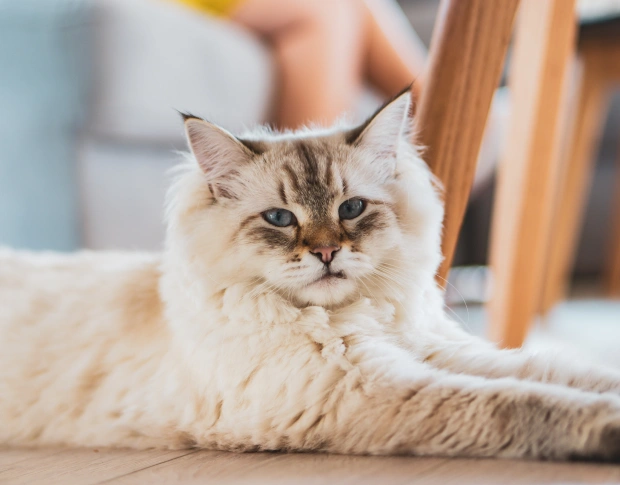
Care for Your Aging Feline Companion
As your cat ages, their health needs change. At Lakewood Animal Hospital, we understand the unique challenges that come with senior cat care. From arthritis and dental disease to kidney failure and cognitive dysfunction, we are dedicated to providing comprehensive care that enhances your cat’s quality of life. Our goal is to ensure your senior cat remains comfortable, happy, and healthy in their golden years.

Signs of Aging in Cats
As your cat enters their senior years, you may notice changes in their behavior, physical health, or routine. Understanding these signs can help you identify health issues early and provide the care your cat needs. Common signs of aging in cats include:
- Reduced Activity or Lethargy: Senior cats may sleep more and be less playful than they were in their younger years. They may avoid climbing or jumping.
- Changes in Appetite or Weight: Aging cats may eat less, or on the contrary, gain weight due to a slower metabolism. Keep an eye on their food intake and weight.
- Behavioral Changes: Senior cats may become more irritable, withdrawn, or anxious. This could be a sign of pain, cognitive dysfunction, or discomfort.
- Mobility Issues: Difficulty moving, walking slowly, or limping could indicate arthritis or other joint problems. Cats may also have trouble using the litter box if they are struggling to climb in and out.
- Dental Issues: Senior cats are at greater risk for dental disease, which can cause pain, bad breath, and difficulty eating.
- Changes in Grooming Habits: A decline in grooming behavior or over-grooming could be a sign of discomfort or pain.
- Increased Drinking or Urination: Excessive thirst and urination can be symptoms of kidney disease, diabetes, or urinary tract infections.
Wellness Examinations
Regular wellness exams become even more important as cats age. Senior cats are more prone to conditions like arthritis, heart disease, and kidney disease, which can often go unnoticed without a thorough examination. Our wellness exams include:
- Physical exams to assess mobility, weight, and overall health
- Blood work to monitor organ function and detect early signs of disease
- Urinalysis to assess kidney health and detect urinary tract infections
Early detection and intervention are key to managing age-related health issues and improving your cat’s quality of life.
Managing Arthritis and Mobility Issues
Arthritis is a common issue for senior cats, causing pain, stiffness, and reduced mobility. Managing arthritis in cats can help them lead a more active, comfortable life. Our team will work with you to develop a customized plan that may include:
- Pain relief medications (NSAIDs) to reduce inflammation and manage discomfort
- Joint supplements like glucosamine and chondroitin to support cartilage and joint health
- Physical therapy to improve flexibility and mobility