
Hablamos Español
Common Senior Pet Health Problems in Your Senior Dogs and Cats


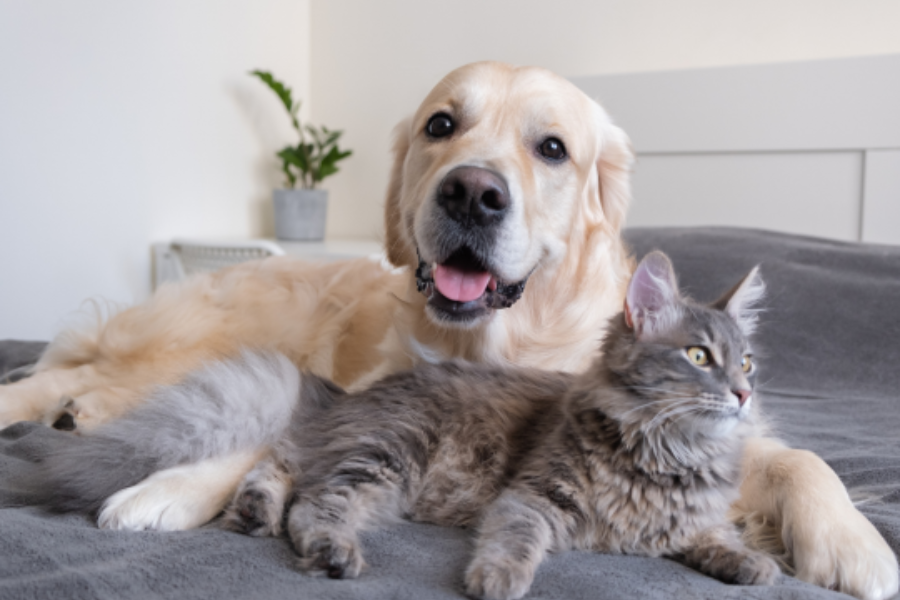
As dogs and cats grow older, their health needs can change in ways that are easy to miss at first. A senior pet may sleep more, move more slowly, eat differently, or become less interested in activities they once enjoyed. Some changes are part of normal aging, but others can point to an underlying health problem that deserves veterinary attention. Common senior pet health problems include arthritis, dental disease, kidney disease, vision changes, weight loss, obesity, and age-related cognitive changes. At Lakewood Animal Hospital, Locust Grove, VA, veterinary professionals can help monitor older pets and identify changes early. Understanding what to watch for can help you support your dog or cat as they enter their senior years.
What Are the Most Common Health Problems in Senior Dogs and Cats?
Senior dogs and cats are more likely to develop conditions affecting their joints, teeth, kidneys, heart, weight, senses, and overall metabolism. Regular veterinary examinations can help identify these problems earlier and support your pet’s comfort and quality of life. Not every older pet will develop the same conditions. Genetics, breed, lifestyle, nutrition, previous health problems, and body weight can all influence aging.
| Health Problem | Common Signs | Why Monitoring Matters |
| Arthritis | Stiffness, limping, reluctance to jump | Can affect mobility and comfort |
| Dental disease | Bad breath, red gums, chewing changes | Can cause oral pain |
| Kidney disease | Increased thirst, urination, weight loss | May progress gradually |
| Heart disease | Coughing, weakness, breathing changes | May affect circulation |
| Obesity | Weight gain, reduced activity | Can increase strain on joints |
| Weight loss | Muscle loss, reduced body condition | May indicate illness |
| Vision changes | Bumping into objects, hesitation | Can affect safety |
| Hearing loss | Not responding to sounds | Can change behavior |
| Cognitive changes | Confusion, altered sleep | May affect daily routines |
| Skin or coat changes | Hair loss, lumps, itching | May reflect underlying problems |
1. Arthritis and Joint Problems
Arthritis is common in older dogs and cats. It occurs when changes in the joints lead to inflammation, stiffness, and discomfort.
You may notice your senior pet:
- Has trouble getting up
- Walks more slowly
- Avoids stairs
- Stops jumping onto furniture
- Hesitates before climbing
- Becomes less interested in play
- Licks certain joints
- Develops stiffness after resting
Cats often hide discomfort, so a cat that simply stops jumping onto its favorite surface may be showing an important change.
Keeping your pet at a healthy weight and discussing mobility changes with your veterinarian can help support joint health.
2. Dental Disease
Dental problems can become more common as pets age.
Plaque and tartar can contribute to gum inflammation and periodontal disease, which can cause pain and difficulty eating.
Warning signs include:
- Bad breath
- Red or swollen gums
- Yellow or brown tartar
- Drooling
- Dropping food
- Chewing on one side
- Reduced appetite
- Pawing at the mouth
Regular dental examinations become especially important as your pet gets older.
3. Kidney Disease
Kidney disease is an important concern in senior cats and dogs.
The kidneys help regulate fluids, remove waste, and perform other essential functions. Early kidney problems may produce subtle signs.
Watch for:
- Increased thirst
- Increased urination
- Weight loss
- Reduced appetite
- Vomiting
- Bad breath
- Reduced energy
- Changes in hydration
| Possible Change | What Owners May Notice |
| Increased thirst | Water bowl empties more quickly |
| Increased urination | More frequent bathroom trips |
| Weight loss | Body appears thinner |
| Appetite changes | Eats less or becomes selective |
| Vomiting | Repeated episodes may occur |
| Low energy | Sleeps or rests more than usual |
Routine veterinary monitoring can help identify changes before obvious symptoms become severe.
4. Heart Disease
Heart disease can affect senior dogs and cats, although the signs may differ between individuals.
Some pets have subtle changes at first.
Possible warning signs include:
- Coughing
- Reduced stamina
- Faster breathing
- Difficulty breathing
- Weakness
- Fainting or collapse
- Reduced interest in activity
- Abdominal swelling in some cases
A sudden breathing change should always be taken seriously.
Your veterinarian can listen to the heart and determine whether additional testing is appropriate.
5. Weight Gain and Obesity
Older pets often become less active, which can make weight gain easier.
Extra weight places additional stress on joints and may contribute to other health problems.
Healthy weight management may involve:
- Measuring meals
- Adjusting calorie intake
- Limiting treats
- Providing age-appropriate activity
- Monitoring body condition
- Discussing nutrition with your veterinarian
A senior pet does not necessarily need to become inactive. Exercise should simply be adjusted to their physical ability.
6. Unexplained Weight Loss
Weight loss should not automatically be considered a normal part of aging.
A senior pet that is losing weight despite eating normally, or that has a noticeable change in appetite, may need veterinary evaluation.
Possible accompanying signs include:
- Increased thirst
- Vomiting
- Diarrhea
- Reduced appetite
- Muscle loss
- Increased urination
- Reduced activity
Unexplained weight loss can occur with several different medical conditions, so an examination can help determine the cause.
7. Vision Changes
Older pets may develop changes in their vision.
Some changes are gradual, allowing pets to adapt without obvious signs.
You may notice:
- Bumping into furniture
- Hesitating on stairs
- Difficulty finding food or water
- Reluctance to enter dark areas
- Changes in eye appearance
- Becoming startled more easily
Keep furniture and important resources in consistent locations if your pet’s vision is declining.
If you notice a sudden vision change, contact your veterinarian promptly.
8. Hearing Loss
Hearing can decline as pets age.
A senior dog may stop responding when called, while a cat may become less responsive to household sounds.
Signs may include:
- Not responding to their name
- Sleeping through loud sounds
- Startling when touched
- Increased vocalization
- Appearing confused
- Changes in interaction with family members
Hearing loss can affect safety, so use visual signals and approach your pet calmly to avoid startling them.
9. Cognitive Changes
Some senior pets develop changes in memory, awareness, sleep patterns, or behavior.
Possible signs include:
- Getting stuck in corners
- Wandering aimlessly
- Increased nighttime activity
- Sleeping more during the day
- Changes in house-training
- Increased vocalization
- Seeming confused
- Reduced interaction
These changes should not automatically be dismissed as “just old age.”
Other medical conditions can cause similar behaviors, so veterinary evaluation is important.
10. Skin, Coat, and Lump Changes
Older pets may develop changes in their skin or coat.
Some lumps are harmless, while others require further evaluation.
Contact your veterinarian about:
- New lumps
- Rapidly growing masses
- Sores that do not heal
- Persistent itching
- Hair loss
- Changes in skin color
- Unusual odors
- Bleeding or discharge
A new lump cannot be identified reliably by appearance alone.
Your veterinarian may recommend monitoring, testing, or other evaluation depending on its characteristics.
11. Urinary Problems
Changes in urination can become more noticeable as pets age.
Watch for:
- Increased urination
- Straining
- Blood in urine
- Urinating outside the litter box
- Accidents in the house
- Increased thirst
- Difficulty passing urine
Some urinary changes may be associated with kidney problems, infections, diabetes, or other conditions. Difficulty urinating can require urgent veterinary attention, particularly in male cats.
How Can You Tell Normal Aging From a Health Problem?
Aging itself is not a disease.
While senior pets may naturally slow down, significant changes should still be discussed with a veterinarian.
| Change | May Be Age-Related | Needs Veterinary Attention When… |
| Sleeping more | Sometimes | Pet is extremely difficult to wake or unusually weak |
| Moving slower | Sometimes | Pet appears painful or stops walking normally |
| Less playful | Possible | Change is sudden or severe |
| Mild hearing decline | Possible | Pet becomes confused or unsafe |
| Coat changes | Possible | There is hair loss, itching, or skin disease |
| Appetite changes | Not something to ignore | Appetite decreases significantly |
| Weight loss | Not considered normal | Weight drops without explanation |
The key is to look for new, persistent, or worsening changes.
What Preventive Care Does a Senior Pet Need?
Senior pets benefit from ongoing veterinary monitoring because health problems may develop gradually.
Preventive care may include:
- Physical examinations
- Dental evaluations
- Weight monitoring
- Nutrition discussions
- Blood testing when appropriate
- Urine testing when appropriate
- Mobility assessments
- Blood pressure monitoring when indicated
- Eye and ear checks
- Behavioral discussions
Your vet in Locust Grove can recommend testing based on your pet’s age, breed, lifestyle, and health history.
Hypothetical Example: A Senior Cat With Subtle Changes
Imagine a 12-year-old cat named Luna whose owner notices that she is drinking more water and has become slightly thinner. Luna still eats and plays occasionally, so the owner initially assumes the changes are simply part of getting older.
During a veterinary examination, the veterinarian recommends further evaluation rather than assuming the changes are normal aging. This hypothetical example highlights why subtle changes in a senior pet’s thirst, weight, appetite, or behavior deserve attention.
How Can You Make Your Home More Comfortable for a Senior Pet?
Small environmental changes can make daily life easier for an older dog or cat.
Consider:
- Providing soft, supportive bedding
- Using non-slip rugs on slippery floors
- Keeping food and water easy to reach
- Providing low-entry litter boxes
- Adding ramps where appropriate
- Keeping household items in familiar locations
- Avoiding unnecessary stairs
- Maintaining a predictable daily routine
Senior pets often benefit from a comfortable environment that reduces unnecessary physical strain.
When Should You Contact a Veterinarian?
Some changes can wait for a scheduled appointment, while others deserve prompt attention.
Contact your veterinarian if your senior pet develops:
- Sudden difficulty breathing
- Collapse or fainting
- Severe weakness
- Repeated vomiting
- Significant appetite loss
- Sudden vision changes
- Difficulty urinating
- Severe pain
- Sudden confusion
- Rapid weight loss
Do not assume a serious change is simply part of getting older.
Conclusion
Growing older is a natural part of your pet’s life, but significant health changes should not automatically be dismissed as normal aging. Arthritis, dental disease, kidney problems, heart disease, weight changes, vision and hearing loss, cognitive changes, skin problems, and urinary concerns are among the issues that may affect senior dogs and cats. Watching for subtle changes and maintaining regular senior care can help you recognize problems earlier. Make your senior pet’s home comfortable, monitor changes in appetite and behavior, and seek veterinary guidance when something seems unusual. Booking an appointment at Lakewood Animal Hospital, Locust Grove, VA, can help you support your senior companion’s health and comfort throughout their later years.
FAQs
Q1: What are the most common health problems in senior dogs and cats?
A: Common concerns include arthritis, dental disease, kidney disease, heart problems, obesity, unexplained weight loss, vision changes, hearing loss, cognitive changes, and urinary problems.
Q2: Is it normal for my senior pet to sleep more?
A: Older pets often sleep more than younger animals. However, a major increase in sleeping, extreme weakness, difficulty waking, or a sudden change in energy should be discussed with a veterinarian.
Q3: Why is my senior pet losing weight?
A: Unexplained weight loss can have several causes and should not automatically be considered a normal part of aging. Your veterinarian can evaluate changes in appetite, body condition, and other symptoms to determine what may be happening.
Q4: How often should a senior dog or cat see a veterinarian?
A: The appropriate schedule depends on your pet’s age, breed, health history, and individual needs. Your veterinarian can recommend how frequently your senior pet should be examined and whether additional monitoring is appropriate.
Q5: When should I worry about changes in my senior pet’s behavior?
A: Sudden confusion, unusual vocalization, changes in house-training, loss of interest in normal activities, or major changes in sleep patterns deserve veterinary attention. Medical conditions can sometimes cause behavioral changes that appear to be age-related.
Trusted Pet Care & a Friendly Welcome for Every Pet
