
Hablamos Español


Puppy Care & Kitten Care in Locust Grove, VA
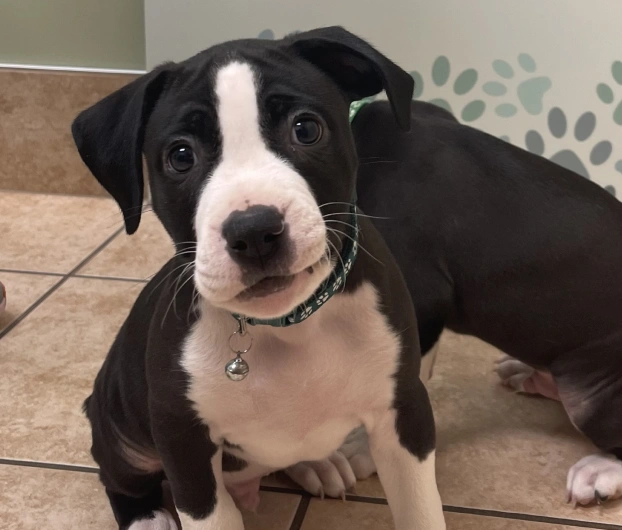
Welcoming a new puppy or kitten into your home is an exciting and rewarding experience. As a pet owner, it is important to provide your furry friend with the best possible puppy care and kitten care to ensure a long and healthy life. This includes proper veterinary care, vaccinations, parasite protection, microchipping, nutrition, and spaying or neutering.
Why Are Wellness Exams Important?
Just like humans, puppies and kittens require regular check-ups to ensure they are growing and developing properly. These exams are crucial for detecting any potential health issues early on, which can save you and your pet from unnecessary stress and expenses in the future.
Early Detection of Health Issues
Wellness exams allow us to monitor your pet’s growth and development, as well as identify any potential health issues. This is especially important for puppies and kittens, as they are more susceptible to certain health conditions, such as parasites, infections, and congenital defects.
By catching these issues early on, we can provide the necessary treatment and prevent them from developing into more serious problems. This can ultimately save your pet’s life and improve their quality of life.
Establishing a Relationship With Your Veterinarian
Regular puppy and kitten wellness exams also allow you to establish a relationship with your veterinarian. This is important because we will become your go-to resource for any questions or concerns you may have about your pet’s health.

What to Expect During a Puppy/Kitten Wellness Exam
Wellness exams typically occur every 3-4 weeks until your puppy/kitten is 16 weeks old. After that, they should occur every 6-12 months, depending on our recommendations.
During a wellness exam, we will perform a thorough physical examination. This includes checking their eyes, ears, nose, mouth, teeth, skin, coat, and overall body condition. We will also listen to your pet’s heart and lungs and check for any abnormalities.
We will also ask you questions about your pet’s behavior, diet, and any changes you may have noticed since the last exam. This is an excellent opportunity for you to ask any questions or voice any concerns you may have about your pet’s health.
Additional Tests and Procedures
Depending on your pet’s age and health, we may also recommend additional tests and procedures during the wellness exam. These may include:
Fecal exam to check for parasites
Blood work to check for any underlying health issues
Urinalysis to check for any urinary tract infections or other issues
Dental cleaning to prevent dental disease
Spaying or neutering to prevent unwanted pregnancies and certain health issues
Puppy and Kitten Vaccinations
Puppy and kitten vaccinations are crucial for the health and well-being of your pet. They protect against potentially deadly diseases and help prevent the spread of these diseases to other animals. Vaccinations work by stimulating the immune system to produce antibodies that will fight off the disease if your pet is ever exposed to it.
Core Vaccines
Core vaccines are those that are recommended for all puppies and kittens, regardless of their lifestyle or environment. These vaccines protect against diseases that are widespread and have a high risk of transmission.
For puppies include:
Distemper
Parvovirus
Adenovirus
Parainfluenza
Rabies
For kittens include:
Feline herpesvirus
Calicivirus
Rabies
Non-Core Vaccines
Non-core vaccines are those that are not considered essential for all puppies and kittens, but may be recommended based on the pet’s lifestyle and risk factors. These vaccines are typically given to pets who are at a higher risk of exposure to certain diseases.
For puppies include:
Bordetella
Leptospirosis
Lyme
Canine Influenza
For kittens include:
Feline Leukemia (FeLV)
Feline Immunodeficiency Virus (FIV)
It is important to follow the recommended vaccine schedule for your puppy or kitten to ensure they are fully protected. Puppies and kittens will typically receive their first round of core vaccines at 6-8 weeks of age, with boosters every 3-4 weeks until they are 16 weeks old. After that, they will need boosters every 1-3 years depending on the vaccine to maintain immunity.
FIV and FeLV Testing in Cats
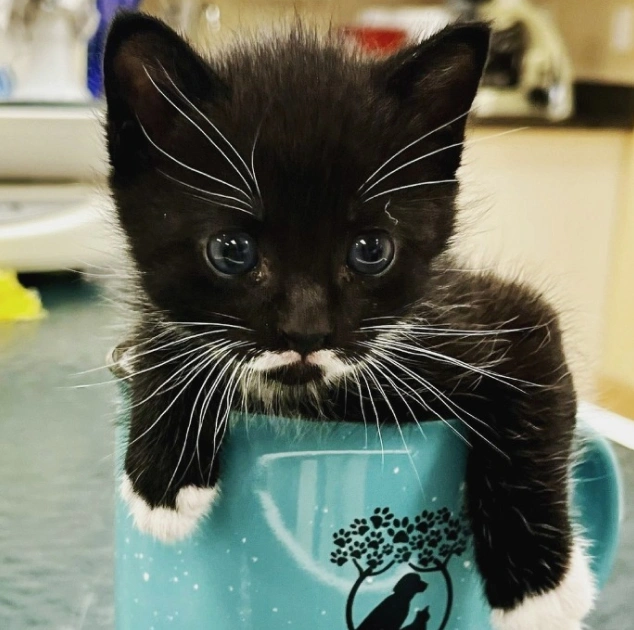
FIV (feline immunodeficiency virus) and FeLV (feline leukemia virus) are two common viral infections that can affect cats. These viruses can be transmitted through bites, grooming, and sharing food and water bowls. FIV and FeLV testing is recommended for all kittens and cats, especially those that will be living with other cats.
FIV is a slow-acting virus that weakens a cat’s immune system, making them more susceptible to other infections. It is important to test for FIV because it can be difficult to detect in the early stages and can be easily spread to other cats. FIV testing is typically done through a blood test and can be done at our office.
Parasite Testing and Prevention
Parasites are organisms that live on or inside another organism, known as the host, and feed off of them. They can cause a range of health issues in puppies and kittens, including anemia, weight loss, and even death. Some parasites can also be transmitted to humans, making it important to keep your pets free of these pests.
Testing for Parasites
The first step in preventing parasites in your puppies and kittens is to have them tested for any existing parasites. We will perform a fecal exam to check for the presence of worms and other internal parasites. We may also perform a skin scraping to check for external parasites such as fleas and mites.
It is recommended to have your puppies and kittens tested for parasites at least once a year, or more frequently if they spend a lot of time outdoors or show symptoms of a parasite infestation.
Pet Microchipping
Pet microchipping is a simple and effective way to ensure that your pet can be identified if they ever get lost. A tiny microchip is inserted under your pet’s skin, containing a unique identification number that can be scanned by a veterinarian or animal shelter. This can greatly increase the chances of being reunited with your pet if they ever go missing.
Nutrition and Weight Management
Proper nutrition and weight management are crucial for the overall health and well-being of your pets. A balanced diet provides the necessary nutrients for growth and development while maintaining a healthy weight can prevent a range of health issues such as diabetes, joint problems, and heart disease. It is important to note that puppies and kittens have different nutritional needs than adult dogs and cats, so it is essential to choose the right food for their age and size.
When it comes to choosing the right food for your puppies and kittens, it is important to look for high-quality, age-appropriate options. Look for foods that are specifically formulated for puppies and kittens. It is also important to follow the recommended serving size to prevent overfeeding and weight gain.
By following these tips and incorporating nutrition and exercise into your pets’ daily routine, you can help them maintain a healthy weight and live a long and happy life.
Spaying and Neutering
Spaying and neutering are surgical procedures that remove the reproductive organs of a pet. For females, this is called spaying and for males, it is called neutering. These procedures not only prevent unwanted pregnancies, but they also have numerous health benefits. For example, spaying a female dog or cat greatly reduces their risk of developing uterine infections and breast tumors. Neutering male pets can prevent testicular cancer and reduce the risk of prostate problems. Additionally, spaying and neutering can also help reduce behavioral issues such as aggression and roaming.