
Hablamos Español


Preventative Care in Locust Grove, VA
As pet owners, we want to ensure that our furry friends live long, healthy lives. One of the best ways to do this is through preventative pet care. By taking proactive measures, we can help our pets avoid common health issues and maintain their overall well-being. We will discuss the importance of preventative pet care and the different aspects that it encompasses.
Routine Pet Wellness Exams
Just like humans, pets need regular check-ups to ensure that they are in good health. Routine wellness visits to the vet can help catch any potential health issues early on, allowing for prompt treatment. During these visits, we will perform a physical exam, check your pet’s weight, and discuss any concerns you may have. These visits are also a great opportunity to ask questions and learn more about how to care for your pet.

Pet Vaccinations: Core and Non-Core
Vaccinations are an essential part of preventative pet care. They protect our pets from potentially deadly diseases and help prevent the spread of these diseases to other animals.
Core Pet Vaccinations
Core pet vaccinations are those that are considered essential for all pets, regardless of their lifestyle or environment. These vaccinations protect against highly contagious and potentially fatal diseases that can be easily transmitted to other animals or even humans.
Vaccinations for Dogs
Rabies
Distemper
Parvovirus
Adenovirus
Parainfluenza
Leptospirosis
Vaccinations for Cats
Rabies
Feline herpesvirus
Calicivirus
Panleukopenia
Non-Core Pet Vaccinations
Non-core pet vaccinations are those that are recommended based on your pet’s lifestyle, environment, and risk of exposure to certain diseases. These vaccinations are not considered essential for all pets, but they may be necessary for some.
Non-Core Pet Vaccinations for Dogs
Bordetella (kennel cough)
Lyme disease
Canine influenza
Non-Core Vaccinations for Cats
Feline leukemia (FeLV)
FeLV and FIV
Feline leukemia virus (FeLV) and feline immunodeficiency virus (FIV) are two common viral infections that can affect cats. These viruses weaken the immune system, making cats more susceptible to other illnesses. Fortunately, there are vaccines available to protect against these viruses. If you have a cat, it’s important to discuss FeLV and FIV vaccinations with us. While an FIV vaccine exists, it is generally not recommended so we do not carry this vaccine. We can discuss your questions regarding FIV and help you decide if you think your kitty should be vaccinated for FIV.
FeLV and FIV can affect cats of all ages, breeds, and lifestyles. However, there are certain factors that can increase a cat’s risk of contracting these viruses.
- Outdoor cats: Cats that spend a lot of time outdoors are more likely to come into contact with other cats and potentially contract FeLV or FIV.
- Unvaccinated cats: Vaccinations can help protect cats (specifically those who are outdoor) from FeLV and FIV. Cats that are not up to date on their vaccinations and go outside or interact with other outside cats are at a higher risk of contracting these viruses.
- Kittens: Kittens are more susceptible to FeLV and FIV because their immune systems are not fully developed.
- Cats with weakened immune systems: Cats with underlying health conditions or those that are already immunocompromised are at a higher risk of contracting FeLV and FIV.
Parasite Control in Pets
Parasites, such as fleas, ticks, and heartworms, can cause serious health issues for our pets. That’s why it’s crucial to have a parasite control plan in place. This may include preventative medications, regular grooming, and keeping your pet’s living environment clean. We will recommend the best parasite control plan for your pet based on their lifestyle and risk factors.

The Most Common Parasites in Dogs and Cats
There are several types of parasites that can affect our furry friends, but some are more common than others. Let’s take a look at the most common parasites in dogs and cats.
Fleas are small, wingless insects that feed on the blood of their host. They are a common parasite in dogs and cats, especially in warmer climates. Fleas can cause skin irritation, hair loss, and transmit diseases such as tapeworms.
Signs and Symptoms of Parasites in Dogs and Cats
The signs and symptoms of parasites in dogs and cats can vary depending on the type of parasite and the severity of the infestation. However, some common signs and symptoms to look out for include:
- Scratching, biting, or licking of the skin
- Hair loss or thinning coat
- Red, irritated skin
- Presence of fleas or ticks on the skin
- Diarrhea or vomiting
- Weight loss or poor appetite
- Anemia (pale gums)
- Pot-bellied appearance
- Presence of worms in stool
If you notice any of these signs and symptoms in your pet, it is important to consult with us for proper diagnosis and treatment.
Diagnosing Parasites in Pets
The most common way to diagnose parasites in pets is through a physical examination. During a routine check-up, we will thoroughly examine your pet’s fur and skin for any signs of parasites. We may also perform blood test and/or fecal tests to look for internal parasites or disease caused by parasites.
Treating Parasites in Dogs and Cats
If your pet has been diagnosed with parasites, we will recommend the appropriate treatment. This may include medications to kill the parasites, as well as preventative measures to prevent future infestations.
Heartworms in Dogs and Cats
Heartworms are parasitic worms that live in the heart, lungs, and blood vessels of infected animals. They are transmitted through the bite of an infected mosquito and can affect both dogs and cats. These worms can grow up to 12 inches in length and can cause serious damage to the heart, lungs, and other organs.
Symptoms of Heartworms in Dogs and Cats
Heartworms can cause a variety of symptoms in dogs and cats, including:
- Coughing
- Difficulty breathing
- Fatigue
- Weight loss
- Decreased appetite
- Swollen abdomen
- Collapse
In severe cases, heartworms can lead to heart failure and death. However, many pets may not show any symptoms until the disease has progressed, making regular testing crucial for early detection and treatment.
Heartworm testing is essential for the early detection and treatment of heartworm disease. It is recommended that all dogs be tested for heartworms annually, even if they are on preventative medication.
Pet Microchipping
Pet microchipping has become increasingly popular in recent years, and for good reason. This simple procedure involves inserting a tiny microchip, about the size of a grain of rice, under your pet’s skin. This chip contains a unique identification number that can be scanned by a veterinarian or animal shelter, allowing them to access your contact information and reunite you with your lost pet.
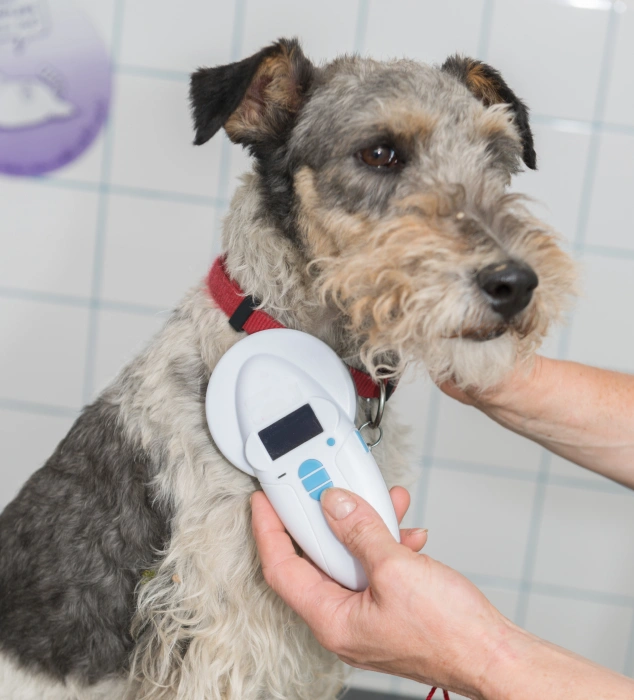
Permanent Identification
One of the main benefits of microchipping your pets is that it provides permanent identification. Unlike collars or tags, which can easily fall off or be removed, a microchip is a permanent form of identification that cannot be lost or tampered with. This gives pet owners peace of mind knowing that their beloved furry friend can always be identified, even if they get lost or stolen.
Quick and Painless Procedure
The process of microchipping your pet is quick and painless. The microchip is inserted under the skin using a needle, similar to a routine vaccination. Most pets do not even react to the procedure, and it only takes a few seconds to complete.
Easy Registration
Once your pet is microchipped, it is important to register the chip with your contact information. This can be done online or by mail, and it is a simple process that only takes a few minutes. By registering your pet’s microchip, you ensure that your contact information is linked to the unique identification number, making it easier for you to be reunited with your pet if they ever get lost.
Widely Accepted Technology
Microchip technology is widely accepted and used by animal shelters, veterinarians, and animal control facilities. This means that if your pet is found and scanned, there is a high chance that they will be able to access your contact information and reunite you with your pet. This technology is also recognized internationally, making it useful for pet owners who travel with their furry friends.
Cost-Effective
Microchipping your pet is a one-time cost that can save you a lot of money in the long run. Collars and tags need to be replaced regularly, and if your pet gets lost, you may have to pay fees to retrieve them from a shelter. With a microchip, you only have to pay for the initial procedure and registration, making it a cost-effective option for pet identification.
Peace of Mind
Finally, microchipping your pets provides peace of mind for pet owners. Knowing that your pet can be easily identified and returned to you in case they get lost or stolen can alleviate a lot of stress and worry. It also gives you a sense of security knowing that your pet has a permanent form of identification that cannot be lost or removed.
Nutrition and Weight Management
Proper nutrition is crucial for maintaining your pet’s overall health and well-being. We will recommend the best diet for your pet based on their age, breed, and any health conditions they may have. Additionally, it’s important to monitor your pet’s weight and make adjustments to their diet and exercise routine as needed to prevent obesity and related health issues.
Behavioral Counseling
Behavioral issues can greatly impact your pet’s quality of life and your relationship with them. That’s why it’s important to address any behavioral concerns early on. We will provide behavioral counseling to help you understand and address your pet’s behavior, improving their overall well-being and strengthening your bond.