
Hablamos Español
How to Tell If Your Senior Pet Is in Pain And What to Do About It



As pets age, changes in mobility, behavior, and daily habits become more common. Unfortunately, many pet owners assume these changes are simply part of getting older when they may actually be signs of discomfort. Knowing how to recognize pain in a senior pet can help you seek treatment early and improve your pet’s quality of life.
In this guide, you’ll learn how to identify the subtle signs of pain in aging dogs and cats, common causes of discomfort, and what steps you can take to help your senior companion stay comfortable and active for as long as possible.
Why Pain in Senior Pets Often Goes Unnoticed
Unlike humans, pets cannot tell us when something hurts. Many animals instinctively hide signs of pain because showing weakness can be a natural survival behavior. As a result, pet owners may mistake pain-related changes for normal aging. While slowing down is common in older pets, significant changes in behavior, mobility, appetite, or mood should never be ignored. Recognizing discomfort early can make a significant difference in your pet’s overall well-being and long-term health.
Common Causes of Pain in Senior Pets
Several health conditions can cause chronic or acute pain in older pets.
Arthritis and Joint Disease
One of the most common causes of pain in senior pets is arthritis. Over time, joint cartilage wears down, leading to inflammation, stiffness, and discomfort.
Pets with arthritis may struggle with:
- Walking long distances
- Climbing stairs
- Jumping onto furniture
- Standing up after resting
- Playing as actively as they once did
Dental Problems
Dental disease can become more common as pets age. Painful teeth, inflamed gums, and oral infections may affect eating habits and overall comfort.
Muscle and Mobility Issues
Loss of muscle mass and age-related weakness can make movement more difficult and uncomfortable.
Internal Health Conditions
Certain conditions affecting the kidneys, liver, heart, or other organs can contribute to discomfort and reduced quality of life.
Previous Injuries
Old injuries that seemed healed years ago may become painful again as your pet ages.
Signs Your Senior Pet May Be in Pain
Pain can look different in every pet. Some animals become less active, while others show changes in behavior or personality.
Changes in Mobility
One of the earliest indicators of pain is difficulty moving around.
Watch for:
- Limping
- Stiffness after rest
- Slower walks
- Difficulty standing
- Reluctance to jump
- Trouble climbing stairs
- Hesitation during normal activities
Even subtle mobility changes can signal underlying discomfort.
Behavioral Changes
Pain often affects a pet’s behavior before obvious physical signs appear.
You may notice:
- Increased irritability
- Withdrawal from family members
- Less interest in play
- Reduced social interaction
- Sleeping more than usual
- Avoiding physical contact
Some pets may become clingier, while others prefer to be left alone.
Changes in Appetite
A painful pet may eat less, drink differently, or show less enthusiasm at mealtime.
Warning signs include:
- Reduced appetite
- Difficulty chewing
- Dropping food
- Weight loss
- Changes in drinking habits
These symptoms should always be discussed with your veterinarian.
Excessive Licking or Grooming
Pets sometimes focus on painful areas by licking, chewing, or grooming excessively.
Pay attention to:
- Repeated licking of joints
- Chewing at paws
- Hair loss in one area
- Skin irritation caused by overgrooming
Vocalization
Some pets become more vocal when experiencing discomfort.
You may hear:
- Whining
- Whimpering
- Groaning
- Unusual meowing
- Increased vocalization during movement
Not all pets vocalize when in pain, but changes in vocal behavior can be an important clue.
Changes in Posture
A pet experiencing discomfort may alter the way they sit, stand, or lie down.
Common signs include:
- Hunched posture
- Difficulty finding a comfortable position
- Holding up a limb
- Shifting weight frequently
- Sleeping in unusual positions
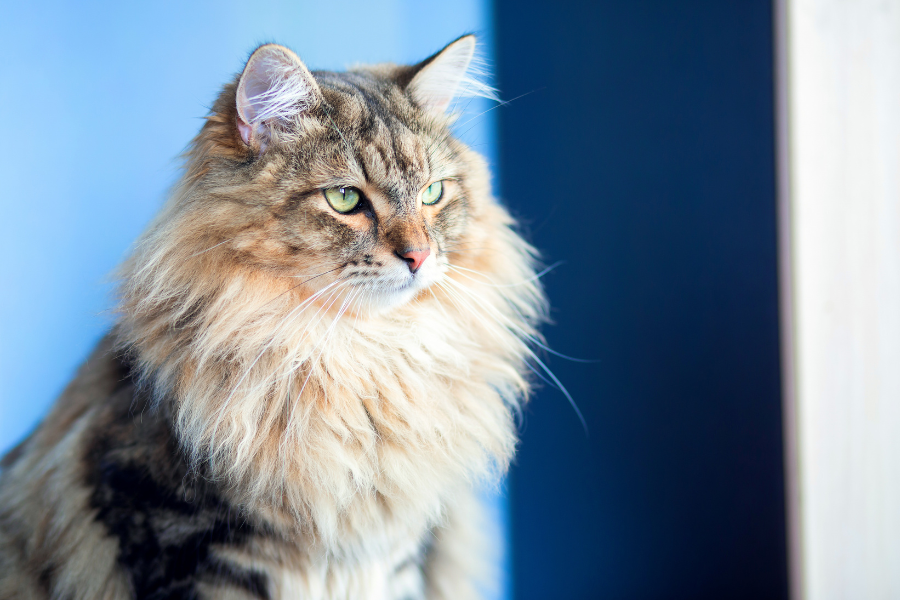
Pain Signs in Senior Cats
Cats are particularly skilled at hiding pain.
Some subtle indicators include:
- Jumping less frequently
- Avoiding high surfaces
- Sleeping more
- Missing the litter box due to mobility issues
- Reduced grooming
- Changes in social behavior
- Hiding more often
Because these signs can be easy to miss, routine veterinary examinations are especially important for aging cats.
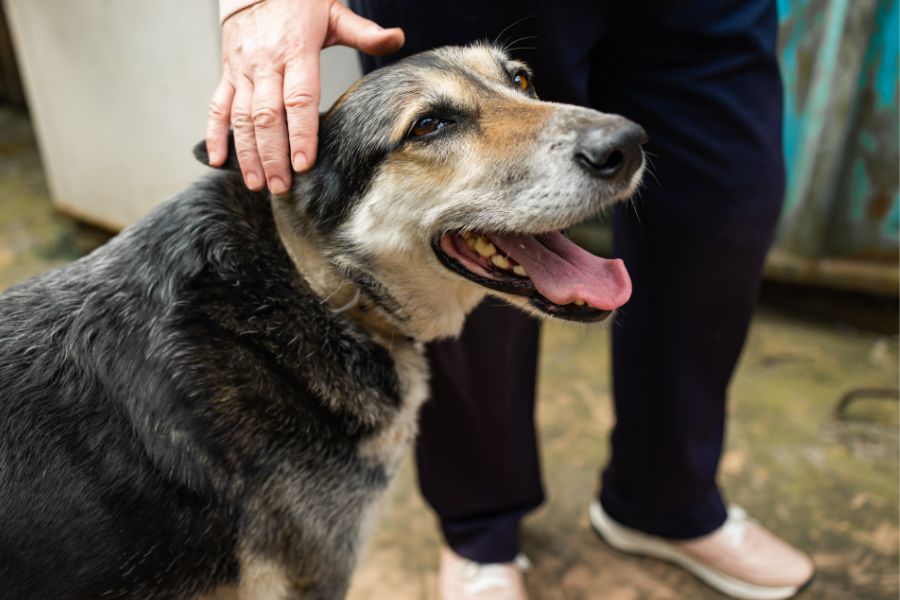
Pain Signs in Senior Dogs
Senior dogs often show pain through movement-related changes.
Watch for:
- Lagging on walks
- Difficulty getting into vehicles
- Reluctance to play
- Slipping on smooth floors
- Trouble standing after naps
- Decreased endurance during exercise
Many owners mistakenly believe these changes are simply due to age when pain may be contributing significantly.
What to Do If You Think Your Senior Pet Is in Pain?
Schedule a Veterinary Examination
The first step is to have your pet evaluated by a veterinarian. Identifying the underlying cause of pain allows for an appropriate treatment plan.
Your veterinarian may perform:
- Physical examinations
- Mobility assessments
- Dental evaluations
- Diagnostic testing when necessary
Early diagnosis often leads to more effective management.
Never Give Human Pain Medications
Many over-the-counter medications that are safe for people can be extremely dangerous for pets.
Never give your pet any medication without veterinary guidance.
Create a More Comfortable Home Environment
Simple adjustments can make daily life easier for a senior pet.
Consider:
- Soft orthopedic bedding
- Non-slip rugs or mats
- Ramps for furniture access
- Elevated food and water bowls
- Easy access to resting areas
These modifications can reduce strain and improve comfort.
Maintain a Healthy Weight
Excess weight places additional stress on joints and can worsen discomfort.
Your veterinarian can recommend a nutrition plan that supports healthy weight management and mobility.
Encourage Appropriate Exercise
Regular, gentle activity helps maintain muscle strength and joint flexibility.
Depending on your pet’s condition, beneficial activities may include:
- Short walks
- Controlled play sessions
- Low-impact movement
- Gentle stretching exercises recommended by your veterinarian
Avoid sudden increases in activity that could worsen discomfort.
Monitor Changes Closely
Keep track of symptoms, activity levels, appetite, and behavior.
Noting changes can help your veterinarian evaluate treatment effectiveness and make adjustments when needed.
How Pain Management Can Improve Quality of Life
Pain management is not simply about reducing discomfort. Effective senior pet care can help senior pets enjoy daily activities, remain mobile, and maintain stronger bonds with their families.
Benefits may include:
- Improved mobility
- Better appetite
- Increased activity
- Enhanced mood
- Better sleep quality
- Greater overall comfort
With proper care, many senior pets continue to enjoy happy, active lives well into their later years.
Conclusion
Recognizing pain in a senior pet is one of the most important responsibilities of pet ownership. Changes in mobility, behavior, appetite, grooming habits, or posture may indicate that your pet is experiencing discomfort. Early veterinary evaluation and appropriate pain management can significantly improve your pet’s quality of life and help them remain comfortable as they age. If you notice signs of pain in your aging companion, contact your veterinarian near you, Lakewood Animal Hospital in Locust Grove, VA, to schedule an evaluation and discuss the best options for your pet’s comfort and well-being.
FAQs
Q1: How can I tell if my senior pet is in pain?
Common signs include limping, stiffness, decreased activity, changes in appetite, unusual vocalization, excessive licking, and behavioral changes such as irritability or withdrawal.
Q2: Is slowing down always a normal part of aging in pets?
Not necessarily. While some slowing down is expected, significant changes in mobility or behavior may indicate pain or an underlying medical condition that requires veterinary attention.
Q3: What causes pain in senior pets?
Common causes include arthritis, dental disease, old injuries, muscle loss, joint disorders, and age-related health conditions affecting internal organs.
Q4: Can senior cats hide pain better than dogs?
Yes. Cats are known for concealing discomfort, which is why subtle signs such as reduced jumping, hiding, or changes in grooming habits should be taken seriously.
Q5: What should I do if I think my senior pet is in pain?
Schedule a veterinary examination as soon as possible. A veterinarian can identify the cause of discomfort and recommend a treatment plan tailored to your pet’s specific needs.

Trusted Pet Care & a Friendly Welcome for Every Pet
