
Hablamos Español
How to Tell If Your Pet’s Wound Needs Veterinary Attention


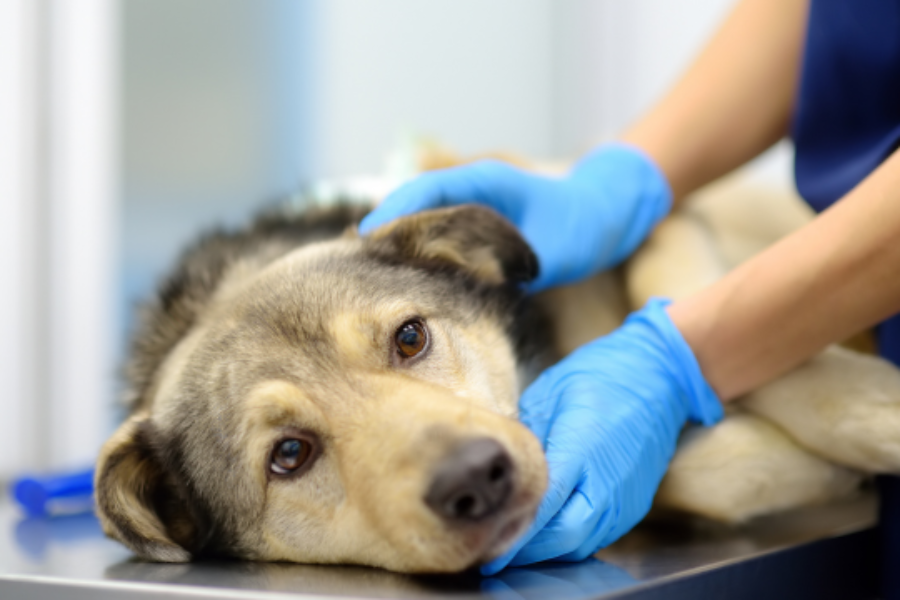
Pets can get cuts and scrapes while playing outdoors, exploring the yard, or interacting with other animals. Sometimes a wound looks small but hides damage beneath the skin. Other injuries may seem minor at first and become painful or infected over time. Knowing when a wound needs professional care can help protect your pet’s comfort and prevent complications. At Lakewood Animal Hospital, pet owners can seek guidance on wound care, injury assessment, and treatment options. Whether your dog has a cut on a paw or your cat has a small patch of missing fur, paying attention to the wound’s appearance and your pet’s behavior is important. This guide explains which wounds need veterinary attention, what you can safely do at home, and how a veterinarian can help your pet heal.
How Can You Tell If Your Pet’s Wound Needs Veterinary Attention?
A pet’s wound should be examined by a veterinarian if it is deep, continues bleeding, has separated edges, appears contaminated, or causes significant pain. Punctures, animal bites, and wounds near the eyes, joints, or chest also deserve prompt assessment, even when the opening looks small.
Some surface scratches may heal with basic care, but it can be difficult to judge the true extent of an injury by appearance alone. Fur can conceal cuts, and puncture wounds can trap bacteria beneath the skin.
Look for these warning signs:
- Bleeding that does not stop with gentle pressure.
- A deep cut or an opening with separated edges.
- Swelling, redness, warmth, or increasing tenderness.
- Pus, discharge, or an unpleasant smell.
- Limping or reluctance to put weight on a leg.
- Repeated licking, chewing, or scratching at the area.
- A bite wound or suspected puncture beneath the fur.
- Changes in appetite, energy, or normal behavior.
Difficulty breathing, pale gums, collapse, or heavy bleeding after an injury requires immediate professional help. If your pet appears seriously unwell, do not wait for the wound to look worse before seeking care.
What Types of Pet Wounds Can Be Concerning?
Different injuries carry different risks. A shallow scrape may affect only the surface of the skin, while a puncture or bite can damage deeper tissues.
| Wound type | What to look for | Recommended response |
| Minor scrape | Surface redness or a small area of missing fur | Gently clean and monitor if your pet is comfortable |
| Deep cut | Open edges, visible tissue, or continued bleeding | Arrange prompt veterinary assessment |
| Bite wound | Small punctures, swelling, tenderness | Contact a veterinarian, even if the opening looks minor |
| Paw pad injury | Bleeding, limping, or a torn pad | Protect the foot and seek veterinary advice |
| Wound near the eye | Squinting, tearing, swelling | Have it assessed promptly |
| Burn or chemical injury | Redness, blistering, damaged skin | Seek veterinary guidance without applying household products |
Bite wounds deserve special attention because bacteria can enter through small openings and cause infection beneath the skin. A wound may appear to close while inflammation or an abscess develops underneath.
What Causes Wounds in Dogs and Cats?
Pets can injure themselves in many ordinary situations. Dogs may scrape their paws on rough surfaces, cut their skin while running through brush, or develop wounds during play. Cats may sustain scratches and bite wounds during fights with other animals.
Other possible causes include broken glass, sharp household objects, damaged fencing, burns, and excessive scratching caused by skin irritation.
Common situations that can lead to wounds include:
- Rough play with other pets.
- Outdoor exploration through shrubs or debris.
- Scratching or chewing itchy skin.
- Contact with sharp objects.
- Falls or accidents.
- Bites from other animals.
Finding the cause matters because treatment may involve more than cleaning the skin. A veterinarian may need to assess deeper tissue damage, remove debris, address infection, or identify an underlying skin condition.
How Do Veterinarians Examine and Treat Pet Wounds?
A veterinarian begins by checking the wound’s location, size, depth, and level of contamination. They may also assess circulation, movement, pain, and the tissues around the injury. If fur hides the wound, carefully clipping the surrounding hair may be necessary to see its full extent.
Treatment depends on the type of injury. It may include cleaning, removing damaged tissue or debris, pain relief, medication when indicated, or closing the wound with sutures. Some contaminated wounds are left open initially so they can drain and heal more safely.
Hypothetical case study: A dog developed a small puncture near its shoulder after an encounter with another dog in the yard. The opening looked minor, but the area became warm and swollen the following day. The veterinarian examined the wound, cleaned the affected tissue, and created a treatment and monitoring plan to help prevent the infection from progressing.
This example illustrates why the size of a wound does not always reflect its severity. The veterinarian may also recommend a recheck to make sure the tissue is healing properly.
What Can You Do at Home Before Your Pet Is Examined?
If the wound appears minor and your pet is otherwise behaving normally, gentle first aid may help protect the area while you seek advice.
Safe first-aid steps include:
- Stay calm and approach your pet slowly. Pain can make even a gentle animal react defensively.
- If bleeding is mild, hold clean gauze against the area with gentle, steady pressure.
- For a superficial wound, gently rinse away loose dirt with sterile saline or clean lukewarm water.
- Prevent licking or chewing with a properly fitted protective collar if available.
- Keep the wound clean and limit rough activity while you arrange further guidance.
Avoid pouring alcohol, hydrogen peroxide, or harsh disinfectants into a wound unless a veterinarian specifically instructs you to use a product. These substances can irritate or damage healing tissue.
Do not probe a puncture, remove an embedded object, or attempt to close a deep cut yourself. If an object is lodged in the wound, leave it in place and seek professional assistance. Never give human pain medication without veterinary direction, as some medicines are toxic to pets.
How Can You Recognize an Infected Wound?
An infection may develop when bacteria enter damaged skin. Signs can include increasing redness, warmth, swelling, pain, discharge, or an unpleasant odor. Your pet may also become less active, eat less, or repeatedly lick the affected area.
A pocket of infected material called an abscess can form beneath the skin, particularly after a bite or puncture. Sometimes the skin opening is tiny, while the swelling underneath is substantial.
Contact a veterinarian in Locust Grove if the wound becomes more painful, develops discharge, or fails to improve. Avoid squeezing swelling or attempting to drain an abscess at home. The veterinarian can determine whether cleaning, drainage, medication, or additional testing is needed.
How Can You Help Prevent Pet Wounds?
You cannot prevent every accident, but a few habits can reduce common risks.
- Check your yard and walking areas for broken glass, sharp metal, and exposed nails.
- Keep fencing and gates in good repair.
- Supervise interactions between unfamiliar animals.
- Check your pet’s paws and skin after outdoor activities.
- Address persistent itching before scratching causes skin damage.
- Keep cats indoors or provide a secure outdoor enclosure to reduce exposure to fights and hazards.
Regularly running your hands gently over your pet’s body can also help you notice small lumps, tenderness, or wounds hidden beneath thick fur. Stop if your pet appears uncomfortable.
Conclusion
Recognizing when a wound needs veterinary attention can help prevent pain, infection, and delayed healing. Small scrapes may need only gentle care and monitoring, but deep cuts, punctures, bites, persistent bleeding, and signs of infection deserve professional assessment. At home, keep the area clean, prevent licking, and avoid harsh products or human medications. Most importantly, do not judge an injury by its appearance alone, since damage beneath the skin may be more extensive than it seems. If you are concerned about your pet’s wound, contact Lakewood Animal Hospital for guidance. Careful observation and timely treatment can help your pet recover more comfortably and reduce the risk of complications.
Frequently Asked Questions
Q1: Can a small wound on my pet heal by itself?
A: A shallow scrape may heal with gentle cleaning and monitoring if your pet is comfortable and the area remains clean. Deep cuts, punctures, bites, and wounds that become swollen or painful should be examined by a veterinarian. If you are unsure how deep the injury is, seek professional advice.
Q2: How do I know if my pet’s wound is infected?
A: Increasing redness, warmth, swelling, pain, discharge, and an unpleasant smell can indicate infection. Your pet may also lick the area repeatedly or seem less active. A veterinarian can examine the wound and recommend appropriate treatment.
Q3: Should I cover my dog’s cut with a bandage?
A: Some wounds benefit from a bandage, but an improperly applied dressing can trap moisture, restrict circulation, or cause further irritation. If a wound needs covering, ask your veterinarian how to protect it safely.
Q4: How quickly should a bite wound be checked?
A: Contact a veterinarian as soon as possible after a bite, even if the skin opening looks small. Punctures can conceal deeper tissue damage and bacteria beneath the surface. Heavy bleeding, severe pain, or major changes in your pet’s condition require immediate care.
Q5: Can Lakewood Animal Hospital help assess my pet’s wound?
A: Contact Lakewood Animal Hospital for guidance about your pet’s injury and the appropriate next step. Be ready to describe how the wound happened, when you first noticed it, and whether your pet is bleeding, limping, or showing signs of pain.


Trusted Pet Care & a Friendly Welcome for Every Pet
