
Hablamos Español
Halloween Candy Wrappers and Pets: Choking Risks and Signs of Intestinal Blockage


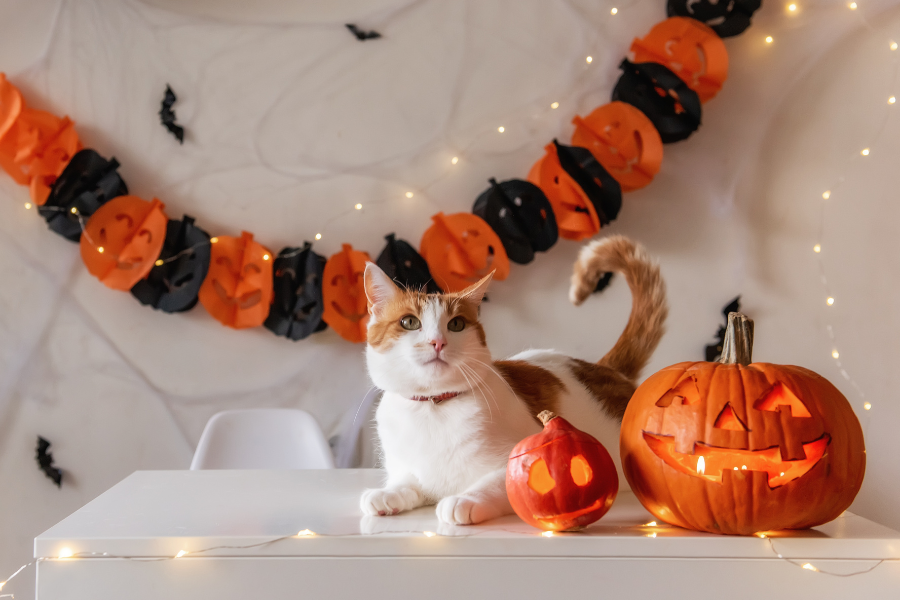
Halloween candy can be tempting for curious pets, but the wrappers left behind can pose a separate risk. Dogs may sniff out discarded sweets, while cats may bat, chew, or swallow shiny pieces of packaging. A small wrapper might pass through the digestive tract, but other materials can cause choking or become lodged in the stomach or intestines. The problem may not be obvious right away, so knowing the warning signs matters. Lakewood Animal Hospital in Locust Grove, VA, encourages pet owners to keep candy and packaging safely out of reach during Halloween and throughout the year. This guide explains why wrappers can be dangerous, what symptoms to watch for, and when to seek veterinary care.
Can Candy Wrappers Cause Choking or Intestinal Blockage in Pets?
Yes, candy wrappers can cause choking or digestive problems if a pet swallows them, and larger pieces or certain materials may contribute to an intestinal blockage. The risk depends on the wrapper’s size, shape, material, and how much your pet swallowed. Contact a veterinarian if you know or suspect your pet has eaten packaging, especially if symptoms develop.
Wrappers may be made from plastic, foil, paper, or a combination of materials. Some are small and flexible, while others are stiff, sharp-edged, or difficult to break down. A wrapper can irritate the digestive tract, become lodged, or travel through the intestines and obstruct the passage of food.
Choking is different from an intestinal blockage. Choking affects the airway, so a pet may struggle to breathe, paw at the mouth, or become distressed suddenly. An intestinal blockage occurs when material prevents normal movement through the digestive tract. Signs may include vomiting, reduced appetite, belly pain, or trouble passing stool.
Do not assume a wrapper is harmless because it looks small. Creating a safe space for your pets on Halloween is extremely important to avoid any unnecessary issues during the celebration. A pet’s size, the material swallowed, and whether other objects were eaten can all affect the risk. If your pet swallows a wrapper, call a veterinarian for advice rather than waiting to see what happens.
What Are the Signs That a Pet Is Choking on a Wrapper?
Choking can develop suddenly and requires immediate action. A pet with an obstructed airway may panic or struggle to get enough air. If your pet is having trouble breathing, seek urgent veterinary help immediately.
Possible signs of choking include:
- Gagging or repeated attempts to cough
- Pawing at the mouth
- Difficulty breathing or noisy breathing
- Sudden distress or frantic movement
- Blue, gray, or very pale gums
- Weakness or collapse
If your pet is conscious and breathing, do not blindly reach deep into the mouth. You may push the object farther back or be bitten unintentionally. Only remove an object if you can clearly see it and can safely grasp it without forcing it deeper. Do not delay urgent care while trying repeated home interventions.
If your pet cannot breathe, is collapsing, or appears to be choking severely, get immediate veterinary assistance and follow the instructions provided by the veterinary team. Once the immediate problem is addressed, a veterinarian may still need to check for injury to the mouth or airway.
What Are the Signs of an Intestinal Blockage in Dogs and Cats?
An intestinal blockage can develop when swallowed material becomes stuck in the stomach or intestines. Symptoms depend on where the blockage occurs and whether it is partial or complete. Signs may start subtly, so changes in eating, energy, or bathroom habits deserve attention after a possible swallowing incident.
Watch for these warning signs:
- Repeated vomiting or retching
- Refusing food or eating much less than usual
- Unusual tiredness or weakness
- Abdominal pain, tenderness, or swelling
- Restlessness or difficulty getting comfortable
- Diarrhea or difficulty passing stool
- Straining in the litter box or during a bowel movement
- Drooling or signs of nausea
Passing stool does not always rule out a blockage. A partial obstruction may still allow some material to pass, and symptoms can vary depending on the location of the object.
Cats may hide when they feel unwell, while dogs may become restless, whine, or repeatedly change position. Neither behavior confirms a blockage, but a suspected ingestion combined with these signs needs prompt veterinary assessment.
Do not wait for every symptom to appear. If you know your pet swallowed a wrapper, contact a veterinarian for advice even if your pet is currently acting normally. Early guidance is safer than waiting for signs to worsen.
What Should You Do If Your Pet Swallows a Candy Wrapper?
If you see your pet swallow a wrapper, stay calm and remove any remaining packaging from the area. Contact a veterinarian and provide as much information as possible about the wrapper, the amount swallowed, and the time it happened. The veterinarian can help determine whether your pet needs an examination or other care.
Take these steps:
- Check your pet’s breathing and behavior. If your pet is choking or struggling to breathe, seek urgent veterinary care immediately.
- Identify the material. If possible, keep an identical wrapper or take a photo of the packaging.
- Estimate how much was swallowed. Tell the veterinarian whether it was one small wrapper, several wrappers, or a larger piece of packaging.
- Mention any candy eaten with it. The candy itself may contain ingredients that are harmful to pets.
- Follow veterinary instructions. Do not give oils, laxatives, or other home remedies.
- Watch for changes. Report vomiting, loss of appetite, belly pain, weakness, or changes in bowel movements.
Do not induce vomiting unless a veterinarian specifically tells you to do so. Making a pet vomit can be unsafe depending on the material, the pet’s condition, and the risk of choking or injury.
If the wrapper is visible in your pet’s mouth, remove it only if it is easy to reach and can be taken out safely. Never pull on a long piece of material if it appears to be stuck. Contact a veterinarian for guidance.
How Do Veterinarians Check for a Possible Intestinal Blockage?
A veterinarian will ask what your pet swallowed, when it happened, and which symptoms have developed. They may examine the mouth and abdomen, assess hydration, and check for signs of pain or illness. Depending on the situation, imaging such as X-rays or ultrasound may help identify an obstruction or evaluate the digestive tract.
Not every swallowed wrapper causes a blockage, and some small pieces may pass without complications. However, it is difficult to predict the outcome based on the wrapper’s appearance alone. The veterinary team will consider the material, amount swallowed, your pet’s size, and any symptoms before recommending a plan.
Treatment varies according to the findings. Some pets may need close monitoring under veterinary guidance, while others may require fluids, medication, endoscopy, or surgery to remove an obstruction. The right approach depends on where the material is located and whether it is affecting normal digestive function.
A hypothetical case example
Imagine a small dog that gets into a candy bowl and swallows several wrappers while the family is cleaning up after Halloween. The dog seems normal at first, but later begins vomiting and refuses dinner. The owner contacts a veterinarian, explains what was swallowed, and brings the dog in for assessment. The veterinarian performs an examination and recommends further testing to check for a blockage.
This hypothetical example shows why a pet’s normal behavior immediately after swallowing packaging does not guarantee that no problem will develop. Prompt veterinary advice can help owners decide what to do before the situation becomes more serious.
Are Some Candy Wrappers More Dangerous Than Others?
The risk depends on more than the wrapper’s size. Material, shape, quantity, and whether the wrapper is swallowed with candy all matter. A soft paper wrapper may behave differently from a stiff foil package or a large piece of plastic, but no type can be declared safe for every pet.
Pay particular attention to:
- Foil wrappers: These can be crumpled into dense pieces and may have sharp edges.
- Plastic wrappers: These may be difficult to digest and can contribute to an obstruction.
- Large packaging pieces: Bigger pieces may be more likely to become lodged in the digestive tract.
- Multiple wrappers: Several swallowed items may increase the amount of material in the stomach or intestines.
- Packaging with strings or attached pieces: These may create additional risks if swallowed.
Candy itself can also be harmful. Chocolate and some sugar-free sweets may contain substances that are toxic to pets. If your pet eats candy along with the wrapper, tell the veterinarian the product name and ingredients if known.
Do not wait for symptoms if the packaging contained a potentially toxic product or if your pet swallowed a large amount. Call a veterinarian promptly and follow the advice given.
How Can You Keep Candy Wrappers Away From Pets?
The easiest way to prevent wrapper-related problems is to make candy and packaging inaccessible. Pets often find discarded wrappers under furniture, beside trash cans, or in bags left near the door. A few simple habits can reduce these opportunities during Halloween.
Use this safety checklist:
- Store candy in closed cupboards or containers that pets cannot open.
- Ask children to place wrappers directly into a covered trash can.
- Empty candy bowls before leaving a room where pets have access.
- Keep trick-or-treat bags on a secure, elevated surface or behind a closed door.
- Check floors, sofas, and hiding spots for dropped wrappers.
- Choose a covered, pet-resistant trash container when possible.
- Keep guests from feeding candy to pets.
- Supervise pets around parties and busy household activity.
Remember that cats may bat small objects under furniture, while dogs may search trash cans for food smells. Check both obvious and hidden places after guests leave.
If your pet is particularly curious, set up a quiet room with familiar bedding, water, and toys while candy is being sorted or guests are arriving. This can reduce access to hazards and give your pet a calmer place to rest.
When Should You Seek Urgent Veterinary Care?
Seek urgent veterinary care if your pet is choking, struggling to breathe, collapsing, or showing severe weakness. These signs can indicate an immediate threat and should not be monitored at home.
Contact a veterinarian promptly if your pet has swallowed a wrapper and develops repeated vomiting, belly pain, loss of appetite, unusual tiredness, or difficulty passing stool. Also seek guidance after swallowing a large amount of packaging, string-like material, or candy that may contain harmful ingredients.
Do not wait for symptoms if you know your pet swallowed something potentially dangerous. A veterinarian can help assess the risk based on the material, the amount, your pet’s size, and the timing.
Lakewood Animal Hospital in Locust Grove, VA, can provide guidance about your pet’s care needs. When contacting a veterinary team, be ready to explain what was swallowed, when it happened, whether candy was eaten too, and what changes you have noticed.
Conclusion
Candy wrappers may look small and harmless, but swallowing them can lead to choking, digestive irritation, or an intestinal blockage. Keep wrappers, candy bowls, treat bags, and trash out of your pet’s reach, and check the floor after Halloween activities. If your pet swallows packaging, contact a veterinarian for guidance instead of trying home remedies or waiting for symptoms. Difficulty breathing, collapse, and severe weakness require urgent veterinary care, while vomiting, abdominal pain, and loss of appetite can also signal a problem that needs prompt attention. Lakewood Animal Hospital in Locust Grove, VA, encourages pet owners to plan ahead, clean up carefully, and seek veterinary advice whenever a swallowed wrapper or candy raises concern.
Frequently Asked Questions
Q1: Can a dog pass a candy wrapper naturally?
A: Some small wrappers may pass through the digestive tract, but others can cause choking or an obstruction. The risk depends on the wrapper, the amount swallowed, and the dog’s size. Contact a veterinarian for advice rather than assuming it will pass safely.
Q2: How long does it take for signs of an intestinal blockage to appear?
A: The timing varies depending on the object and where it becomes lodged. Vomiting, reduced appetite, belly pain, or changes in bowel movements may develop over time. Contact a veterinarian promptly after suspected ingestion, even if symptoms have not appeared.
Q3: What should I do if my cat swallows a candy wrapper?
A: Remove any remaining wrappers and contact a veterinarian for guidance. Do not induce vomiting or give home remedies unless instructed by a veterinary professional. Seek urgent care if your cat is choking, struggling to breathe, or becoming very weak.
Q4: Can candy wrappers cause an intestinal blockage in pets?
A: Yes. Some wrappers and packaging materials can become lodged in the stomach or intestines and interfere with normal digestion. Repeated vomiting, loss of appetite, abdominal pain, or difficulty passing stool are warning signs that require veterinary assessment.
Q5: When should I contact Lakewood Animal Hospital about a swallowed wrapper?
A: Contact a veterinarian if your pet swallows a wrapper, particularly if the piece is large, several wrappers were eaten, or candy was swallowed too. Choking, breathing difficulty, collapse, and severe weakness require urgent veterinary care.

Trusted Pet Care & a Friendly Welcome for Every Pet
