
Hablamos Español
My Pet Ate Plastic? How to Respond and Recognize Warning Signs


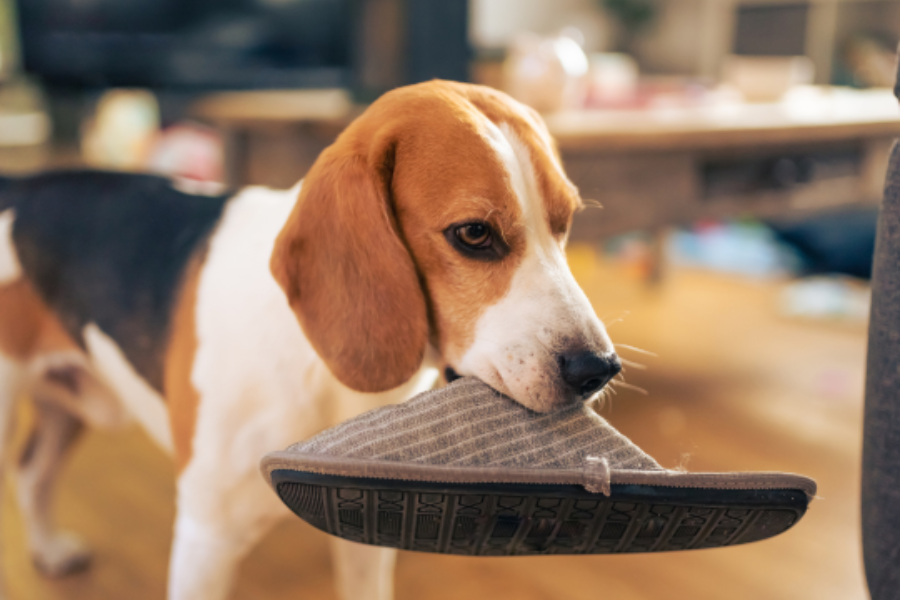
Finding chewed plastic on the floor can make any pet owner worry. Whether your dog swallowed part of a toy, your cat chewed a plastic bag, or your pet grabbed a food wrapper, the next steps matter. If your pet ate plastic, the risk depends on the amount swallowed, the type of plastic, and where the material may travel through the digestive tract. Some small pieces pass without causing problems, while larger or sharp pieces can become stuck and cause a blockage or injury. At Lakewood Animal Hospital, Locust Grove, VA, veterinary professionals can evaluate concerning symptoms and help determine the safest next step. This guide explains what to do after plastic ingestion, which warning signs to watch for, and when your pet needs veterinary attention.
What Should You Do If Your Pet Ate Plastic?
If your pet ate plastic, contact your veterinarian for guidance rather than waiting for symptoms to appear. Do not try to make your pet vomit unless a veterinarian specifically tells you to do so, because some objects can cause more injury when brought back up.
The first step is to determine what your pet swallowed.
Try to identify:
- What type of plastic was swallowed
- Approximately how much was eaten
- Whether the plastic was soft, hard, or sharp
- Whether any pieces are missing
- When the ingestion happened
- Whether your pet has developed symptoms
If possible, keep the remaining object or packaging available so your veterinarian can understand what your pet may have swallowed.
A small piece of soft plastic may carry a different risk than a large, rigid, or jagged piece.
Can Plastic Cause Problems in Dogs and Cats?
Yes. Plastic is not designed to be digested, so swallowed pieces can potentially remain in the stomach or move into the intestines.
The biggest concern is often a foreign body obstruction, which occurs when material becomes stuck and interferes with the normal movement of food and fluids through the digestive tract.
| Type of Plastic | Potential Concern |
| Small soft piece | May pass, but still needs veterinary guidance |
| Large plastic piece | May become lodged |
| Hard plastic | Can cause irritation or obstruction |
| Sharp plastic | May injure the digestive tract |
| Long or string-like plastic | Can become caught and cause serious injury |
| Plastic packaging | May contain other potentially harmful material |
The actual risk depends on your pet, the object, and the circumstances.
What Warning Signs Should You Watch For?
Some pets show symptoms soon after swallowing plastic. Others may initially appear completely normal.
Watch closely for:
- Vomiting
- Repeated gagging
- Loss of appetite
- Excessive drooling
- Abdominal pain
- Restlessness
- Lethargy
- Diarrhea
- Constipation
- Straining to pass stool
- Reduced bowel movements
- Swollen or uncomfortable abdomen
- Changes in behavior
| Warning Sign | Why It Matters |
| Repeated vomiting | May indicate irritation or obstruction |
| Refusing food | Can occur with gastrointestinal discomfort |
| Abdominal pain | May indicate digestive tract irritation |
| Lethargy | Can occur when illness is progressing |
| Straining to defecate | May occur with intestinal problems |
| Persistent drooling | Can accompany nausea or discomfort |
| Swollen abdomen | Can be associated with serious digestive problems |
A pet that develops multiple symptoms or becomes progressively worse should be evaluated promptly.
When Does Plastic Ingestion Become Urgent?
Plastic ingestion becomes more concerning when your pet develops repeated vomiting, significant abdominal pain, severe weakness, difficulty passing stool, or other signs suggesting an intestinal obstruction or injury.
Do not wait for every warning sign to appear.
Seek prompt veterinary attention if your pet:
- Cannot keep food or water down
- Vomits repeatedly
- Becomes very weak or unusually sleepy
- Has significant abdominal pain
- Has a swollen or tense abdomen
- Stops eating
- Strains repeatedly without passing stool
- Has blood in vomit or stool
- Develops sudden behavior changes
- Appears severely uncomfortable
An obstruction can become more serious over time because affected portions of the digestive tract may lose their normal blood supply.
What Should You Not Do at Home?
When owners discover that a pet ate plastic, it is understandable to want to act immediately. However, some common home responses can create additional risks.
Avoid:
- Making your pet vomit without veterinary instructions
- Pulling plastic from the mouth or throat if it is stuck
- Pulling a long piece of material from the rectum
- Giving medications without veterinary guidance
- Giving household remedies
- Assuming a symptom-free pet is automatically safe
- Waiting several days after known ingestion without contacting a veterinarian
If you can see an object extending from your pet’s mouth or rear end, do not pull on it. The material could be attached or tangled further inside the digestive tract.
Can a Pet Pass Plastic Naturally?
Sometimes, a small piece of plastic may pass through the digestive tract without causing an obstruction. However, owners cannot reliably determine at home whether a swallowed object will pass safely.
Several factors influence the risk.
These include:
- Size of the object
- Shape of the object
- Material flexibility
- Location of the object
- Size of your pet
- Age of your pet
- Whether symptoms have developed
- Whether the object contains other materials
A small dog and a large dog may have very different risks from swallowing the same object.
For this reason, veterinary guidance is more reliable than simply waiting to see what happens.
What Happens When a Veterinarian Evaluates Plastic Ingestion?
Your veterinarian will first ask about what your pet swallowed and when the incident occurred.
A physical examination can help identify pain, dehydration, changes in the abdomen, and other concerning findings.
Depending on the situation, evaluation may include:
- Reviewing the type and amount of plastic swallowed.
- Performing a physical examination.
- Checking hydration and overall condition.
- Using diagnostic imaging when appropriate.
- Monitoring the pet when safe to do so.
- Determining whether the object may pass naturally.
- Discussing treatment or removal if the object is unlikely to pass safely.
Plastic does not always show up clearly on standard X-rays. Your veterinarian may therefore recommend additional imaging depending on the suspected object and your pet’s symptoms.
Can Plastic Ingestion Require Surgery?
Yes, in some cases.
If a plastic object becomes lodged and cannot safely pass through the digestive tract, removal may be necessary. Depending on where the object is located and other factors, removal may sometimes be possible through an endoscopic procedure, while other cases may require surgery.
Surgery may become a consideration when:
- An obstruction is confirmed or strongly suspected
- The object cannot be safely removed another way
- The object has caused intestinal damage
- The pet’s condition is worsening
- The material is unlikely to pass naturally
Not every pet that swallows plastic needs surgery. The treatment decision should be based on the individual pet and the suspected object.
Hypothetical Example: A Dog Swallows Part of a Plastic Toy
Imagine a young Labrador named Cooper who chews a plastic toy and swallows part of it. His owner notices that a section of the toy is missing but Cooper initially seems normal.
The owner contacts a veterinary hospital instead of waiting for vomiting to begin. After discussing the size and type of missing piece, the veterinarian recommends an evaluation and explains what symptoms would require prompt follow-up.
This hypothetical example shows why contacting a veterinary professional early can be useful even when a pet appears normal immediately after swallowing an object.
What About Cats That Swallow Plastic?
Cats can also swallow plastic, particularly thin packaging, food wrappers, bags, or pieces of toys.
Some cats are attracted to the texture or smell of plastic, while others may chew objects during play.
Cat owners should watch for:
- Hiding
- Loss of appetite
- Vomiting
- Drooling
- Repeated swallowing
- Constipation
- Reduced activity
- Abdominal discomfort
- Changes in litter box habits
Cats can be particularly good at hiding illness, so a subtle behavior change should not be dismissed.
If your cat suddenly stops eating after a suspected ingestion, contact your veterinarian for guidance.
What Are the Signs of an Intestinal Blockage?
An intestinal blockage can prevent food, fluid, and digestive material from moving normally through the digestive tract.
Possible signs include:
- Repeated vomiting
- Loss of appetite
- Abdominal pain
- Lethargy
- Diarrhea in some cases
- Difficulty passing stool
- Straining
- Abdominal swelling
- Dehydration
- Restlessness
The exact symptoms can vary depending on where the obstruction occurs and how long it has been present. A suspected intestinal blockage should be treated as a serious veterinary concern.
How Can You Prevent Plastic Ingestion?
Prevention is often easier than dealing with a swallowed foreign object.
Keep plastic items away from pets:
- Store plastic bags inside closed cabinets.
- Keep food wrappers out of reach.
- Throw away damaged toys.
- Supervise pets with chewable toys.
- Use appropriately sized toys.
- Keep trash containers secured.
- Store packaging materials safely.
- Avoid leaving plastic objects on floors.
- Teach dogs a reliable “leave it” command.
Cats that repeatedly chew plastic should also be redirected toward safer toys and monitored closely.
What Should You Do If Your Pet Repeatedly Eats Non-Food Objects?
Some pets repeatedly swallow objects such as plastic, fabric, paper, or other non-food materials. This behavior is sometimes called pica, meaning an animal repeatedly consumes substances that are not normally considered food.
Repeated object-eating may be associated with:
- Boredom
- Anxiety
- Behavioral patterns
- Nutritional issues
- Underlying medical problems
- Normal exploratory behavior in young animals
If your pet repeatedly eats non-food objects, discuss the behavior with your veterinarian rather than simply removing one item at a time. Understanding why the behavior occurs can help reduce future ingestion risks.
How Can You Make Your Home Safer for Your Pet?
A pet-proof home can significantly reduce opportunities for accidental ingestion.
Create a safer environment by:
- Using covered trash cans.
- Keeping packaging behind closed doors.
- Checking toys regularly for damage.
- Removing small objects from the floor.
- Supervising young pets closely.
- Keeping laundry and household items contained.
- Store children’s toys away from pets.
- Closing access to areas containing clutter.
Remember that dogs and cats can reach objects you may assume are safely out of reach.
When Should You Contact a Veterinarian?
If you know your pet swallowed plastic, contacting your veterinarian is a sensible first step, even if your pet currently seems normal.
Prompt veterinary evaluation is especially important when:
- The swallowed piece was large.
- The plastic was sharp or rigid.
- A long piece was swallowed.
- Your pet is very small.
- Your pet swallowed multiple pieces.
- The object is missing and cannot be identified.
- Your pet has started vomiting.
- Your pet refuses food or water.
- Your pet seems painful or unusually tired.
- Your pet is having trouble passing stool.
Early veterinary guidance from a locust grove vet can help determine whether monitoring is reasonable or whether further evaluation is needed.
Conclusion
Finding out that your pet ate plastic can be stressful, but staying calm and taking the right steps can help. Do not induce vomiting or pull on visible material unless specifically instructed by a veterinarian. Small pieces may sometimes pass naturally, but larger, sharp, or multiple pieces can create a risk of obstruction or injury. Watch for vomiting, appetite loss, abdominal pain, lethargy, difficulty passing stool, and other changes in behavior. If symptoms develop or you are unsure about the object your pet swallowed, contact a veterinarian promptly. Lakewood Animal Hospital, Locust Grove, VA, can help evaluate concerning symptoms and guide you toward the appropriate next step.
FAQs
Q1: What should I do if my pet ate plastic?
A: Contact your veterinarian and provide details about the type, size, and amount of plastic swallowed. Do not make your pet vomit unless a veterinarian specifically instructs you to do so.
Q2: Can a dog pass a piece of plastic naturally?
A: Some small pieces may pass without causing a problem, but this cannot be safely predicted in every case. The size, shape, location, and type of plastic all influence the risk.
Q3: How do I know if plastic is causing an intestinal blockage?
A: Repeated vomiting, loss of appetite, abdominal pain, lethargy, difficulty passing stool, and abdominal swelling can be warning signs. A suspected blockage requires prompt veterinary evaluation.
Q4: Should I make my dog or cat vomit after swallowing plastic?
A: Do not induce vomiting unless your veterinarian specifically recommends it. Some objects can cause additional injury when brought back through the digestive tract.
Q5: When should I take my pet to a veterinarian after swallowing plastic?
A: Seek prompt veterinary attention if your pet swallowed a large, sharp, or multiple pieces of plastic or develops vomiting, pain, weakness, appetite loss, difficulty passing stool, or other concerning symptoms.
Trusted Pet Care & a Friendly Welcome for Every Pet
