
Hablamos Español
Is Anesthesia-Free Dental Cleaning Safe for Pets? What Vets Say



Many pet owners want to keep their dog’s or cat’s teeth healthy while avoiding unnecessary risks. When they hear about dental cleanings performed without anesthesia, it can sound like a simpler and safer alternative. However, there is more to professional dental care than removing visible tartar. If you are considering anesthesia-free dental cleaning for pets, it is important to understand what these procedures can and cannot accomplish. At Lakewood Animal Hospital in Locust Grove, VA, pet owners often ask whether anesthesia-free dental cleanings are a safe substitute for a complete veterinary dental procedure. This guide explains how these cleanings compare, why anesthesia is often recommended, and how to make the best decision for your pet’s oral health.
Is Anesthesia-Free Dental Cleaning Safe for Pets
The answer depends on what you expect the procedure to accomplish. Anesthesia-free dental cleaning may remove some visible tartar from the surface of the teeth, but it cannot provide the complete examination and treatment that most pets need to maintain good oral health.
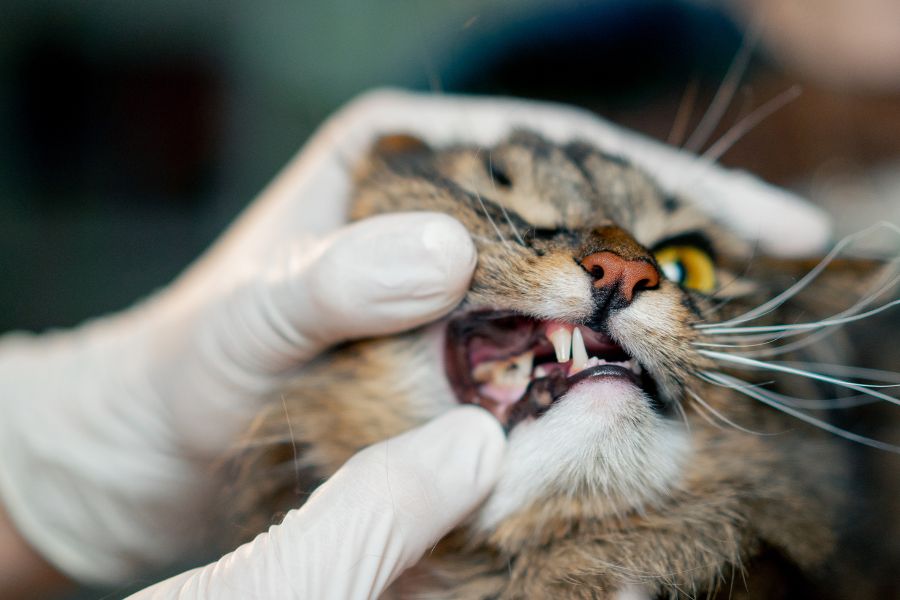
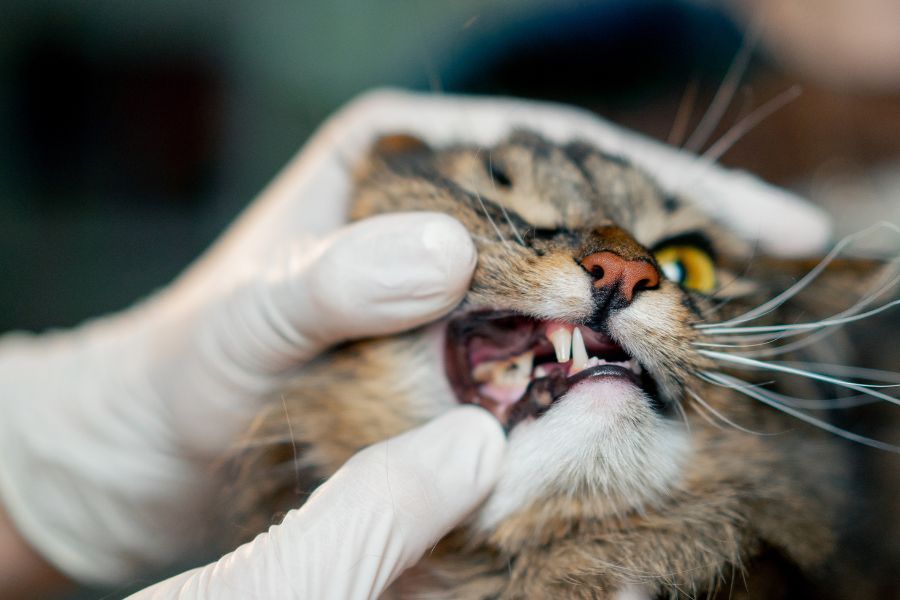
When discussing anesthesia-free dental cleaning for pets, veterinarians focus on more than appearance.
A complete dental evaluation includes areas that cannot be safely examined while a pet is awake.
During a professional anesthetized dental procedure, the veterinary team can:
- Examine every tooth carefully.
- Clean below the gumline.
- Check for loose or damaged teeth.
- Evaluate the gums.
- Take dental X rays when needed.
- Treat painful dental disease.
These important steps are generally not possible during an awake cleaning because pets naturally move, become anxious, or resist having sensitive areas examined.
Although anesthesia-free procedures may improve the appearance of the teeth, they often do not address hidden dental disease.
Why Cleaning Below the Gumline Matters
The part of the tooth you see above the gumline is only a small portion of your pet’s oral health.
Many painful dental problems begin below the gums, where bacteria and inflammation gradually damage the tissues supporting the teeth.
Problems hidden below the gumline may include:
- Gum disease.
- Tooth root infections.
- Loose teeth.
- Bone loss.
- Tooth fractures.
Without access to these areas, significant dental disease can remain untreated even when the visible teeth appear cleaner.
This is one of the main reasons veterinarians recommend comprehensive dental procedures performed under anesthesia.
The goal is not simply cleaner teeth. The goal is identifying pain, treating disease, and protecting your pet’s long-term oral health.
What Are the Limitations of Awake Dental Cleanings
Many pets tolerate gentle handling, but remaining completely still during a detailed dental examination is unrealistic.
Awake dental cleanings have several important limitations.
They generally cannot provide:
- A complete oral examination.
- Cleaning beneath the gumline.
- Dental X-rays.
- Accurate probing around every tooth.
- Safe treatment of painful areas.
In addition, pets experiencing dental pain may become fearful or stressed during the procedure.
Attempting to clean sensitive teeth while your pet is awake may increase anxiety without addressing the underlying problem.
A complete veterinary dental procedure allows the veterinary team to work thoroughly while keeping your pet comfortable throughout the process.
How Veterinarians Perform Complete Dental Care
Before anesthesia, your veterinarian evaluates your pet’s overall health and discusses any concerns you may have about the procedure.
During the dental appointment, trained veterinary professionals carefully monitor your pet while completing a full oral examination.
A complete dental procedure may include:
- Physical examination.
- Professional cleaning above and below the gumline.
- Dental X-rays when indicated.
- Evaluation of every tooth.
- Treatment recommendations based on the findings.
A realistic example
Imagine Charlie, an eight-year-old Miniature Schnauzer, has visible tartar on several teeth but continues eating normally. His family considers an anesthesia-free cleaning because they are worried about anesthesia. During a veterinary consultation, they learn that significant dental disease often develops below the gumline where it cannot be seen during an awake procedure.
Charlie undergoes a complete dental procedure under anesthesia, allowing hidden periodontal disease to be identified and treated before it progresses further. Although this is a hypothetical example, it reflects situations veterinarians frequently encounter when outwardly healthy teeth hide more advanced dental problems.
How Anesthesia Helps Protect Your Pet During Dental Procedures
It is understandable to have questions about anesthesia. Many pet owners worry that anesthesia itself is the greatest risk, but modern veterinary dentistry is designed to make the procedure as safe as possible while allowing complete dental care.
Before anesthesia, your veterinary team performs a thorough evaluation to determine whether your pet is healthy enough for the procedure. This assessment helps identify factors that may influence the anesthesia plan.
During the dental procedure, trained veterinary professionals continuously monitor your pet’s:
- Heart rate.
- Breathing.
- Oxygen levels.
- Body temperature.
- Overall response throughout the procedure.
Anesthesia also prevents your pet from feeling the stress of having dental instruments used around sensitive teeth and gums.
Because your pet remains still and comfortable, the veterinary team can safely examine every tooth, clean below the gumline, and provide treatment when needed.
For many pets, anesthesia makes comprehensive dental care both safer and more effective than attempting to perform the same procedures while they are awake.
What Pet Owners Can Do Between Dental Visits
Professional dental care is only one part of maintaining a healthy mouth. Daily habits at home can help slow the buildup of plaque and support better oral health between veterinary visits.
You can help your pet by:
- Following your veterinarian’s dental care recommendations.
- Checking your pet’s mouth regularly.
- Watching for changes in eating habits.
- Looking for bad breath that does not improve.
- Scheduling routine dental evaluations.
Pay attention to signs that may indicate developing dental disease, including:
- Bad breath.
- Red or swollen gums.
- Difficulty chewing.
- Dropping food while eating.
- Pawing at the mouth.
- Loose teeth.
- Bleeding from the gums.
Pets often continue eating even when they have significant dental pain. Recognizing these subtle changes allows problems to be addressed before they become more serious.
When to Schedule a Professional Dental Exam
Do not wait until your pet has obvious discomfort before arranging a dental evaluation. Dental disease often progresses silently, and many problems are hidden below the gumline where they cannot be seen during a quick look at the mouth.
Schedule a professional dental examination if your pet has:
- Visible tartar.
- Persistent bad breath.
- Red or bleeding gums.
- Broken or loose teeth.
- Difficulty chewing.
- Changes in appetite.
- Signs of oral pain.
Routine dental examinations also help identify developing problems before they affect your pet’s comfort and quality of life. A professional dental evaluation allows your veterinarian to recommend the most appropriate treatment based on your pet’s individual needs.
Conclusion
Understanding the facts about anesthesia-free dental cleaning for pets can help you make informed decisions about your pet’s oral health. While awake cleanings may remove some visible tartar, they cannot provide the complete examination, cleaning below the gumline, or treatment of hidden dental disease that many pets need. Comprehensive dental care performed under anesthesia allows veterinarians to identify painful problems early and provide more effective treatment.
At Lakewood Animal Hospital in Locust Grove, VA, we are committed to helping pets maintain healthy mouths through thorough dental evaluations and individualized care. If your dog or cat has bad breath, visible tartar, or signs of dental discomfort, contact us to protect their long-term health.
FAQs
Q1: Is anesthesia-free dental cleaning safe for pets?
A: Anesthesia-free dental cleaning may remove some visible tartar, but it cannot provide a complete dental examination or clean below the gumline. Veterinarians generally recommend comprehensive dental procedures performed under anesthesia to properly diagnose and treat dental disease.
Q2: Why can’t pets have a complete dental cleaning while awake?
A: Pets naturally move during dental procedures and cannot safely tolerate detailed examinations below the gumline. Anesthesia allows veterinarians to thoroughly evaluate every tooth while keeping pets comfortable and reducing stress.
Q3: Does every pet need anesthesia for a dental procedure?
A: Most professional dental cleanings and examinations require anesthesia because important parts of the procedure cannot be performed safely or effectively while a pet is awake. Your veterinarian will recommend the most appropriate approach based on your pet’s health.
Q4: What are the signs my pet may need a dental exam?
A: Persistent bad breath, tartar buildup, red gums, difficulty chewing, dropping food, loose teeth, and changes in eating habits are all signs that your pet should be examined by a veterinarian.
Q5: How often should my pet have a professional dental examination?
A: The ideal schedule depends on your pet’s age, breed, dental health, and medical history. Your veterinarian can recommend an examination schedule that supports your pet’s long-term oral health.

Trusted Pet Care & a Friendly Welcome for Every Pet
