
Hablamos Español
7 Warning Signs Your Pet May Have a Dental Disease



Dental health plays a major role in your pet’s overall well-being, yet many owners don’t realize there is a problem until it becomes severe. Dental disease is one of the most common health issues affecting dogs and cats, and it can lead to pain, difficulty eating, tooth loss, and even complications that impact other organs if left untreated.
Knowing the early warning signs of dental disease can help you seek veterinary care before minor issues become serious. In this guide, we’ll cover seven common symptoms every pet owner should watch for and explain when it’s time to schedule a dental evaluation.
What Is Dental Disease in Pets
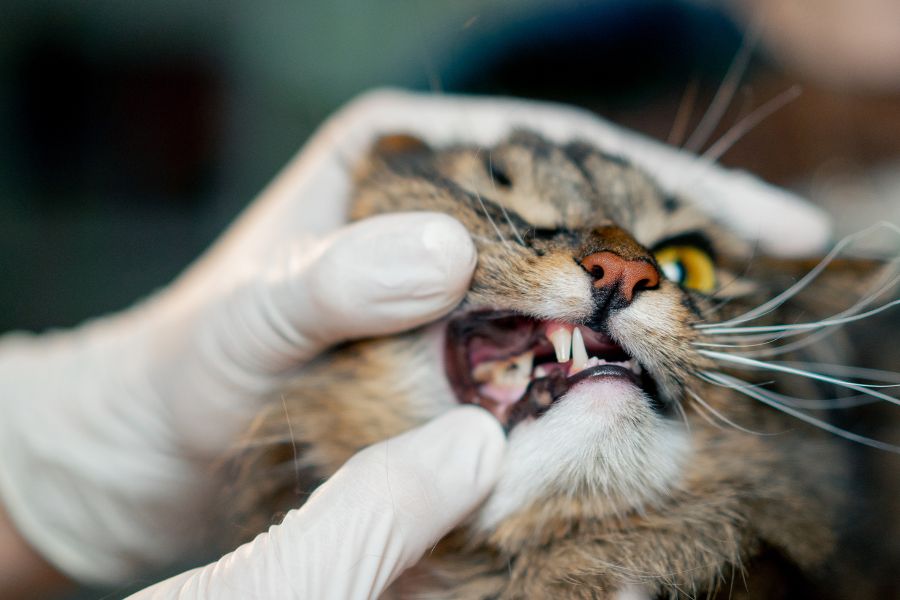
Dental disease refers to conditions that affect the teeth, gums, and supporting structures in a pet’s mouth. It often begins with plaque buildup, which can harden into tartar and eventually lead to gum inflammation, infection, and tooth damage.
Because pets are naturally good at hiding discomfort, dental problems can progress significantly before obvious symptoms appear. Regular dental exams are essential for detecting issues early.
1. Persistent Bad Breath
Many pet owners assume bad breath is normal, but persistent foul-smelling breath is often one of the first signs of dental disease.
Why it happens
Bacteria accumulate in the mouth as plaque and tartar build up. These bacteria release odors that can cause noticeably unpleasant breath.
What to watch for
- Strong or sour odor from the mouth
- Breath that worsens over time
- Odor that remains despite normal eating habits
If your pet’s breath suddenly becomes much worse than usual, a dental examination is recommended.
2. Red, Swollen, or Bleeding Gums
Healthy gums should appear pink and firm. Inflamed gums are often an early indicator of dental disease.
Common signs include
- Redness along the gumline
- Swelling around teeth
- Bleeding when chewing toys or food
- Sensitivity when the mouth is touched
Gum inflammation can progress if not addressed, making early treatment important.
3. Difficulty Eating or Chewing
Painful teeth and gums can make eating uncomfortable.
You may notice your pet:
- Eating more slowly than normal
- Dropping food while chewing
- Favoring one side of the mouth
- Avoiding hard kibble or treats
- Showing less interest in meals
Some pets continue eating despite significant discomfort, so subtle changes in eating habits should never be ignored.
4. Excessive Drooling
Increased drooling can indicate oral discomfort or infection.
Signs to monitor
- Drooling more than usual
- Thick or stringy saliva
- Saliva with traces of blood
- Wet fur around the mouth
Excessive drooling accompanied by bad breath or difficulty eating often points to an underlying dental issue.
5. Pawing at the Mouth or Facial Sensitivity
Pets experiencing oral pain frequently try to relieve discomfort by rubbing or pawing at their faces.
Common behaviors include
- Pawing at the mouth
- Rubbing the face against furniture
- Reluctance to have the head touched
- Pulling away during petting around the muzzle
These behaviors may indicate tooth pain, gum disease, or other oral conditions requiring veterinary attention.
6. Loose, Broken, or Discolored Teeth
Changes in the appearance of your pet’s teeth can signal advanced dental disease.
Warning signs include
- Yellow or brown tartar buildup
- Cracked or broken teeth
- Loose teeth
- Missing teeth
- Darkened tooth surfaces
Damaged teeth can expose sensitive structures beneath the enamel, leading to significant discomfort and infection.
7. Changes in Behavior or Activity Level
Pain affects more than just the mouth. Pets with dental disease may exhibit unexpected behavioral changes.
Watch for:
- Irritability or grumpiness
- Reduced interest in play
- Sleeping more than usual
- Withdrawal from family interactions
- Decreased energy levels
Because oral pain can develop gradually, behavior changes are sometimes the only clue that something is wrong.
Why Early Detection Matters
Dental disease doesn’t stay confined to the mouth. As infection and inflammation progress, pets may experience worsening pain and more extensive dental damage.
Early diagnosis offers several benefits:
- Improved comfort
- Better oral health
- Reduced risk of tooth loss
- Easier treatment options
- Better quality of life
Routine dental evaluations allow a veterinarian to identify concerns before they become severe.
How to Help Prevent Dental Disease
While not every dental issue can be prevented, good oral care significantly reduces the risk of developing serious problems.
Helpful habits include
- Regular veterinary dental examinations
- Daily or routine tooth brushing when possible
- Dental chews approved by your veterinarian
- Monitoring for changes in eating habits
- Checking your pet’s mouth periodically for visible abnormalities
Consistent preventive care is one of the best ways to support lifelong oral health.
When to Schedule a Veterinary Visit
If you notice any of the warning signs listed above, it’s important to schedule a dental evaluation. Even mild symptoms can indicate underlying disease that may worsen without treatment.
Seek veterinary care promptly if your pet has:
- Persistent bad breath
- Bleeding gums
- Difficulty eating
- Loose or broken teeth
- Facial swelling
- Sudden behavioral changes related to oral discomfort
Early intervention often leads to more effective treatment and a better outcome.
Conclusion
Recognizing the early signs of dental disease can make a significant difference in your pet’s comfort and long-term health. Bad breath, inflamed gums, difficulty eating, excessive drooling, facial sensitivity, damaged teeth, and behavioral changes are all important warning signs that should not be ignored. Regular dental care and professional evaluations help detect problems early and keep your pet smiling comfortably for years to come. If you notice any of these symptoms, contact Lakewood Animal Hospital in Locust Grove, VA to schedule a dental assessment for your pet.
FAQs
Q1: What is the most common sign of dental disease in pets?
Persistent bad breath is often one of the earliest and most noticeable signs of dental disease in dogs and cats.
Q2: Can dental disease cause behavior changes in pets?
Yes. Oral pain can make pets less active, more irritable, and less interested in playing or interacting with family members.
Q3: How can I tell if my pet’s gums are unhealthy?
Redness, swelling, bleeding, or sensitivity around the gums are common indicators of gum disease and other dental problems.
Q4: Is dental disease painful for pets?
Yes. Dental disease can cause significant discomfort, especially when infection, gum inflammation, or damaged teeth are present.
Q5: How often should my pet have a dental examination?
Your veterinarian can recommend an appropriate schedule based on your pet’s age, breed, and overall oral health, but regular dental evaluations are an important part of preventive care.

Trusted Pet Care & a Friendly Welcome for Every Pet
