
Hablamos Español
How Dental X-Rays Can Reveal Hidden Problems in Your Cat’s Mouth


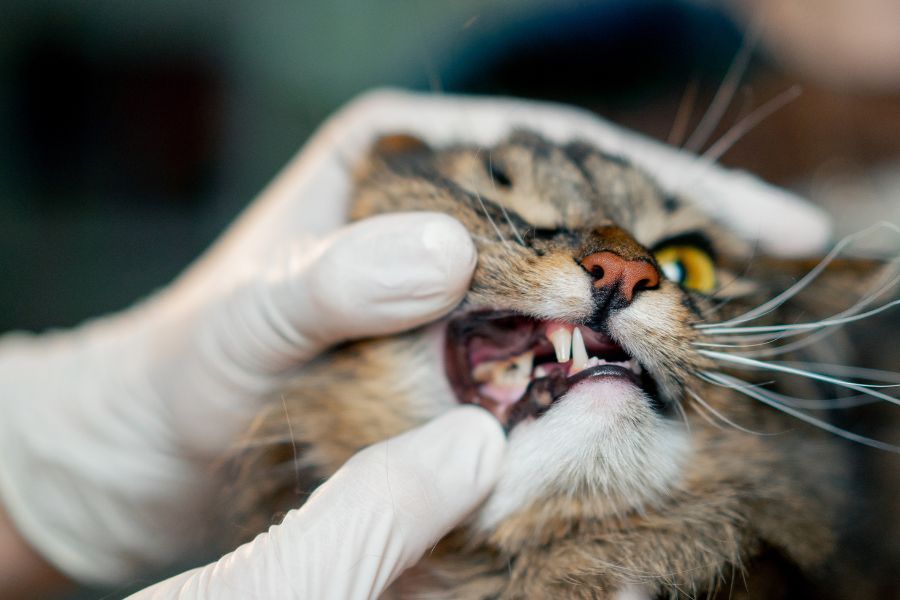
Cats are experts at hiding pain; even when something is bothering them, they often continue eating, playing, and acting normal. That’s why dental issues in cats can go unnoticed for a long time.
Many pet owners assume that if their cat’s teeth look fine on the outside, everything must be okay. The truth is, most dental problems happen below the gumline, where you can’t see them at all. This is where dental X-rays become extremely important. Dental radiographs help veterinarians uncover hidden problems early, before they turn into serious pain or health risks.
Why Dental Health Matters for Cats
Dental disease is one of the most common medical conditions in adult cats. By age three, many cats already show signs of gum inflammation or tooth decay.
Without proper dental care, issues can progress and lead to:
- Chronic pain
- Tooth loss
- Infections
- Difficulty eating
- Bad breath
- Damage to internal organs
Cats rely on their mouths for eating, grooming, and carrying toys. Keeping their teeth and gums healthy is essential for their overall well-being.
What Are Dental X-Rays for Cats?
Dental X-rays are special imaging tools used to examine your cat’s teeth, roots, jawbone, and tissues beneath the gums. Unlike regular X-rays that look at large body areas, dental radiographs focus closely on the mouth.
They allow vets to see:
- Tooth roots
- Bone loss
- Abscesses
- Hidden fractures
- Impacted teeth
Since about 60–70% of a cat’s tooth structure lies below the gumline, dental X-rays are the only way to get a complete picture of oral health.
Why a Visual Exam Alone Isn’t Enough
Even the best veterinarian cannot fully diagnose dental disease just by looking at the teeth.
Some serious problems remain invisible, including:
- Root infections
- Internal tooth resorption
- Bone deterioration
- Deep periodontal pockets
A cat may appear fine during a quick exam, but dental X-rays can reveal pain and disease hiding underneath. That’s why modern cat dental services include imaging as a standard part of professional dental cleanings.
Hidden Dental Problems X-Rays Can Reveal
Dental radiographs help detect many painful conditions early. Here are the most common hidden issues they uncover:
1. Tooth Resorption (A Common Cat Dental Condition)
Tooth resorption is one of the most painful dental problems in cats. It happens when the tooth begins to break down from the inside. Signs are often subtle, but X-rays can clearly show the damage. Treatment often requires tooth extraction to relieve pain.
2. Abscesses and Infections Below the Gumline
A tooth root infection can cause swelling, discomfort, and even fever. Sometimes the tooth looks normal on the surface. Dental X-rays help locate abscesses early before they spread.
3. Periodontal Disease and Bone Loss
Gum disease doesn’t just affect the gums; it can also destroy the bone that supports the teeth. With dental imaging, veterinarians can measure bone loss and determine whether teeth can be saved or need removal.
4. Broken or Fractured Teeth
Cats can crack teeth from chewing hard objects or trauma. A fracture may not always be visible; X-rays help identify internal cracks and root exposure.
5. Impacted or Un-erupted Teeth
Some cats have teeth that never properly emerge through the gums. These impacted teeth can cause cysts or pain over time. Dental X-rays are the best way to detect these hidden teeth.
6. Oral Tumors or Abnormal Growth
Though less common, masses or tumors can form in the jawbone or soft tissues. Early detection through imaging is key to treatment options.
When Should Your Cat Get Dental X-Rays?
Your cat may need dental radiographs during:
- Professional dental cleanings
- Tooth extractions
- Signs of mouth pain
- Routine senior wellness care
Common symptoms that suggest dental trouble include:
- Bad breath
- Drooling
- Pawing at the mouth
- Decreased appetite
- Bleeding gums
- Hiding or irritability
Are Dental X-Rays Safe for Cats?
Yes, dental radiographs are very safe; they use minimal radiation and are performed while your cat is under anesthesia for comfort and accuracy. Anesthesia is necessary because cats will not stay still long enough for detailed mouth imaging. Veterinary teams carefully monitor your cat’s heart rate, breathing, and temperature throughout the procedure.
How Dental X-Rays Improve Treatment
Dental X-rays help veterinarians create the best plan for your cat by:
- Finding the true cause of pain
- Preventing unnecessary extractions
- Ensuring complete removal of diseased roots
- Catching problems early
- Improving long-term comfort
The Importance of Local Cat Dental Care
Cats deserve expert dental care that are close to home. Having access to high-quality cat dental services ensures your pet gets early treatment before problems become emergencies.
When choosing a dental provider, look for:
- Full-mouth dental X-rays
- Experienced veterinary staff
- Safe anesthesia monitoring
- Gentle, cat-friendly handling
Helping Your Cat Maintain a Healthy Mouth
While dental X-rays are essential, prevention at home also matters. You can support your cat’s oral health by:
- Scheduling regular dental checkups
- Offering dental-friendly diets or treats
- Brushing your cat’s teeth (if tolerated)
- Watching for signs of discomfort
Routine dental care can add years to your cat’s life and prevent unnecessary suffering. If you are looking for realiable “animal hospital near me”, then Lakewood Animal Hospital, in Locust Grove, VA can provide necessary guidance for your cat’s dental health, hence book an appointment today.
FAQs
Q1. Do all cats need dental X-rays?
Ans: Yes, most cats benefit from dental radiographs, especially during cleanings, because many issues are hidden below the gums.
Q2. How often should my cat get dental X-rays?
Ans: Typically, once a year during dental cleanings, or sooner if dental disease is suspected.
Q3. Are dental X-rays painful for cats?
Ans: No, they are performed under anesthesia, so your cat feels no discomfort.
Q4. What happens if my cat has tooth resorption?
Ans: Treatment usually involves the extraction of the affected tooth to eliminate pain.
Q5. Can dental disease affect my cat’s overall health?
Ans: Yes, untreated dental infections can spread bacteria to the heart, liver, and kidneys.


Trusted Pet Care & a Friendly Welcome for Every Pet
