
Hablamos Español
What Happens During a Professional Pet Dental Cleaning: A Step-by-Step Guide


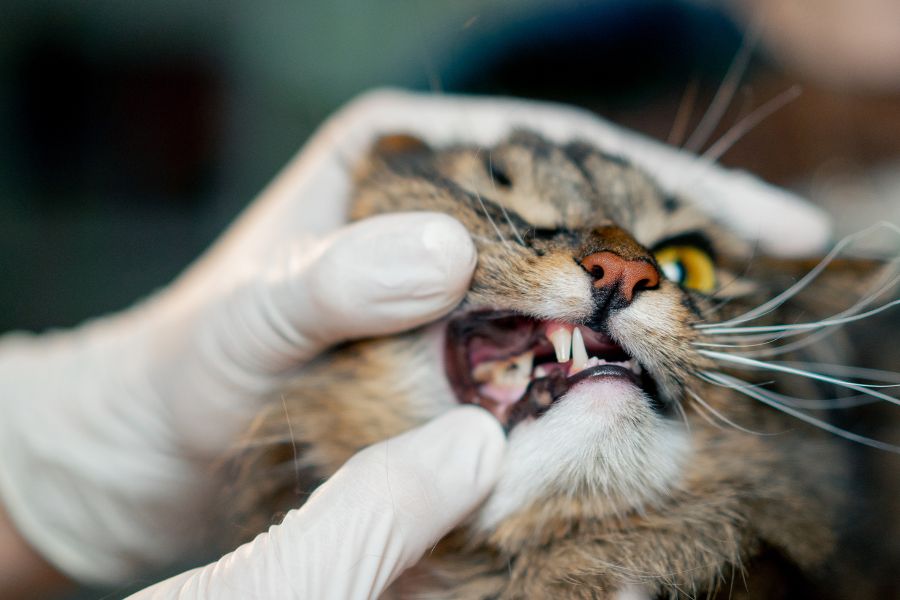
A professional pet dental cleaning is one of the most important steps you can take to protect your pet’s overall health. Dental disease can lead to pain, tooth loss, bad breath, and even problems affecting the heart, liver, and kidneys. Understanding what happens during a professional pet dental cleaning can help pet owners feel more confident and prepared for the process.
In this guide, you’ll learn exactly what happens before, during, and after a veterinary dental procedure. We’ll also explain why professional cleanings are safer and more effective than at-home brushing alone, and how regular dental care helps pets live healthier, happier lives.
Why Professional Pet Dental Cleaning Matters?
Dental disease is extremely common in dogs and cats. By age three, many pets already show signs of periodontal disease. Plaque and tartar build up quickly, especially below the gumline, where damage is harder to see.
Professional dental cleanings help:
- Remove plaque and tartar buildup
- Prevent gum disease
- Reduce bad breath
- Detect hidden dental problems early
- Protect overall health
Routine dental care is not just cosmetic. Untreated dental infections can cause chronic pain and may contribute to more serious health issues over time.
Signs Your Pet May Need a Dental Cleaning
Many pets hide dental discomfort well, so it’s important to watch for subtle changes.
Common signs include:
- Bad breath
- Yellow or brown tartar on teeth
- Red or swollen gums
- Drooling more than usual
- Difficulty chewing
- Pawing at the mouth
- Loose or broken teeth
- Reduced appetite
If you notice any of these symptoms, a veterinary dental exam is recommended.
Step 1: Pre-Dental Examination
Before the professional pet dental cleaning begins, your veterinarian performs a complete physical examination. This helps determine whether your pet is healthy enough for anesthesia and identifies any concerns that may affect treatment.
The exam typically includes:
- Checking the heart and lungs
- Reviewing medical history
- Evaluating oral health
- Discussing symptoms or behavior changes
Your veterinarian may also recommend diagnostic testing before the procedure.
Step 2: Pre-Anesthetic Bloodwork
Safety is a top priority during any dental procedure. Pre-anesthetic bloodwork helps evaluate your pet’s internal health before anesthesia is administered.
Blood testing may assess:
- Liver function
- Kidney function
- Blood sugar levels
- Red and white blood cell counts
- Hydration status
These tests help the veterinary team create the safest anesthesia plan possible for your pet.
Step 3: Anesthesia and Monitoring
Professional pet dental cleanings are performed under general anesthesia. This allows the veterinary team to clean beneath the gumline safely and thoroughly while keeping your pet comfortable and still.
During anesthesia:
- Your pet receives oxygen and anesthetic medications
- A breathing tube protects the airway
- Vital signs are monitored continuously
- A trained veterinary team supervises the procedure
Monitoring usually includes:
- Heart rate
- Blood pressure
- Oxygen levels
- Temperature
- Respiratory rate
Anesthesia makes it possible to perform a complete and stress-free dental cleaning without pain or fear.
Step 4: Full Oral Examination
Once your pet is safely anesthetized, the veterinarian performs a detailed oral exam. This step often reveals problems that are difficult to detect while pets are awake.
The examination may identify:
- Fractured teeth
- Gum recession
- Oral infections
- Tooth root problems
- Abnormal growths
- Loose teeth
The veterinarian documents findings and determines whether additional treatment is necessary.
Step 5: Dental X-Rays
Dental X-rays are a critical part of professional pet dental cleaning. Much of a tooth’s structure lies below the gumline, where problems cannot be seen during a visual exam alone.
Dental radiographs help detect:
- Bone loss
- Tooth root abscesses
- Hidden fractures
- Retained baby teeth
- Impacted teeth
- Advanced periodontal disease
In many cases, pets with normal-looking teeth may still have painful hidden dental disease visible only on X-rays.
Step 6: Scaling and Tartar Removal
This is the cleaning step most pet owners recognize. Using specialized dental instruments, the veterinary team removes plaque and tartar from the teeth.
Scaling is performed:
- Above the gumline
- Below the gumline
Cleaning below the gumline is especially important because this is where periodontal disease develops.
Ultrasonic scalers are commonly used to break apart hardened tartar efficiently while minimizing trauma to the teeth.
Step 7: Polishing the Teeth
After scaling, the teeth are polished using a veterinary dental polisher. Polishing smooths tiny scratches left behind during tartar removal.
This helps:
- Slow future plaque buildup
- Improve tooth surface smoothness
- Support healthier gums
Polishing is an important finishing step that helps extend the benefits of the cleaning.
Step 8: Periodontal Treatment or Tooth Extraction if Needed
If dental disease is advanced, additional treatment may be required during the procedure.
Common treatments include:
- Deep periodontal cleaning
- Antibiotic therapy
- Tooth extractions
While the idea of extractions may sound alarming, removing severely diseased teeth often greatly improves a pet’s comfort and quality of life.
Pets usually adapt very well after extractions and often feel better once painful teeth are removed.
Step 9: Recovery and Post-Procedure Monitoring
After the cleaning is complete, your pet is carefully monitored during recovery from anesthesia.
The veterinary team watches for:
- Stable breathing
- Normal heart rate
- Comfortable waking behavior
- Proper temperature regulation
Most pets go home the same day unless more advanced treatment was necessary.
Some temporary grogginess after anesthesia is normal and usually improves within several hours.
Step 10: Home Care Instructions
Before discharge, the veterinary team provides home care recommendations to help maintain your pet’s oral health.
These instructions may include:
- Feeding soft food temporarily
- Administering prescribed medications
- Monitoring extraction sites
- Brushing your pet’s teeth
- Using dental chews or rinses
- Scheduling follow-up visits
Consistent home care can significantly reduce plaque buildup between professional cleanings.
How Often Should Pets Get Professional Dental Cleanings?
The frequency depends on several factors, including:
- Age
- Breed
- Diet
- Genetics
- Existing dental disease
Some pets may benefit from yearly dental cleanings, while others need more frequent care.
Small dog breeds are often more prone to dental disease and may require closer monitoring.
Your veterinarian can recommend a personalized dental schedule based on your pet’s needs.
At-Home Dental Care vs Professional Cleaning
Home dental care is valuable, but it does not replace professional cleanings.
At-home care helps slow plaque buildup through:
- Tooth brushing
- Dental diets
- Water additives
- Veterinary-approved dental treats
However, only professional dental cleaning can remove hardened tartar below the gumline and fully evaluate dental health with X-rays.
The best approach combines regular home care with routine veterinary dental cleanings.
Common Myths About Pet Dental Cleaning
“My Pet Doesn’t Need Dental Care if They’re Eating Normally”
Many pets continue eating despite significant dental pain. Appetite alone is not a reliable indicator of oral health.
“Bad Breath Is Normal for Pets”
Persistent bad breath is often a sign of dental disease or infection.
“Anesthesia-Free Dental Cleanings Are Just as Effective”
Without anesthesia, it is not possible to safely clean beneath the gumline or perform dental X-rays. Anesthesia-free cleanings may leave serious disease untreated.
Conclusion
Professional pet dental cleaning is an essential part of preventive veterinary care. From pre-anesthetic testing to dental X-rays and thorough tartar removal, every step is designed to protect your pet’s health, comfort, and quality of life. Regular dental care can help prevent pain, infection, and long-term health complications while keeping your pet’s mouth clean and healthy. If your pet is showing signs of dental disease or it has been a while since their last dental exam, contact a veterinarian near you at Lakewood Animal Hospital in Locust Grove to schedule a professional dental evaluation and give your pet the healthy smile they deserve.
FAQs
Q1: How long does a professional pet dental cleaning take?
Ans: Most professional pet dental cleanings take between 45 minutes and several hours, depending on the severity of dental disease and whether extractions are needed.
Q2: Is anesthesia necessary for pet dental cleaning?
Ans: Yes, general anesthesia allows veterinarians to safely clean below the gumline, take dental X-rays, and perform a complete oral examination without causing stress or pain.
Q3: How much does professional pet dental cleaning usually cost?
Ans: The cost varies based on location, dental condition, bloodwork, X-rays, and additional procedures like tooth extractions.
Q4: How can I keep my pet’s teeth clean between dental visits?
Ans: Regular tooth brushing, dental chews, prescription dental diets, and veterinary-approved oral care products can help maintain oral health between professional cleanings.
Q5: What happens if dental disease is left untreated in pets?
Ans: Untreated dental disease can lead to pain, infections, tooth loss, gum damage, and possible health complications affecting organs such as the heart and kidneys.


Trusted Pet Care & a Friendly Welcome for Every Pet
