
Hablamos Español
What Age Is a Cat Fully Grown? Essential Owner Guide


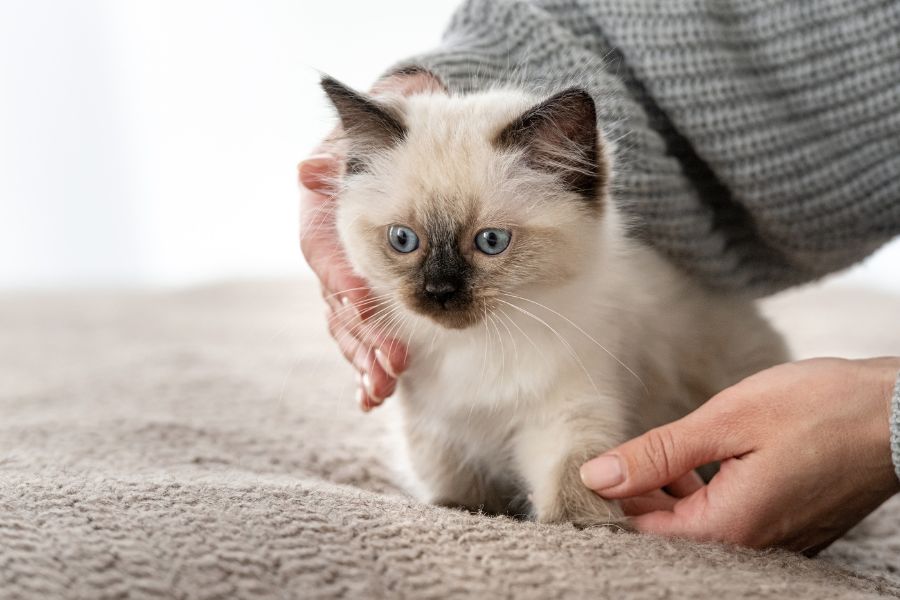
Understanding how and when a cat reaches full size is essential for providing the right nutrition, care, and support during its early months. Many owners wonder when cats stop growing, especially when watching their playful kittens quickly transform into sleek adult cats.
Although growth rates vary, several predictable patterns can help you know what to expect. This guide explains the typical growth timeline, factors that influence development, and how to support your kitten at every stage.
How Fast Do Cats Grow? An Overview
During the first year of life, cats undergo rapid physical and behavioral changes. Their bones, muscles, teeth, and immune systems all develop at accelerated speeds. Therefore, understanding when cats stop growing requires looking at the different growth phases.
Although most cats reach near-adult size by 9–12 months, complete development, including muscle tone and maturity, may continue until age 18–24 months. Larger breeds often grow at a slower pace, and some may take years to complete their growth cycles.
Kitten Growth Stages: Month-by-Month Progress
0–2 Months: Newborn to Early Kittenhood
In the earliest weeks, kittens are completely dependent on their mother. Their eyes and ears open, mobility improves, and baby teeth begin emerging. Rapid weight gain is expected, and good nutrition plays a major role in healthy development.
2–4 Months: Rapid Growth Phase
During this stage, energy levels rise significantly. Most kittens grow quickly, gaining muscle and coordination. This is also the period when owners often start noticing personality traits forming. Even at this stage, when do cats stop growing may come to mind as the changes appear so dramatic.
4–6 Months: Teen Stage
Kittens in this phase enter adolescence. They may become leaner as growth spurts shift toward muscle development. Many cats are spayed or neutered around this age, and those procedures can slightly affect growth patterns.
6–12 Months: Approaching Adulthood
By six months, many cats look close to their adult selves, yet internal development continues. Bones strengthen, adult teeth settle, and behavior stabilizes. Although outward growth slows, owners may still wonder, ‘When do cats stop growing?’ because subtle changes continue each month.
12–24 Months: Final Development
Most cats reach full adult size by 12 months, but muscular filling-out and overall maturity may continue for another year. Large breeds may take longer, while smaller breeds and mixed-breed cats may finish earlier.
Factors That Influence a Cat’s Growth
1. Breed
Breed size plays a major role in determining ‘When do cats stop growing’. For example:
- Maine Coons may take 3–4 years to reach full size.
- Siamese cats generally mature more quickly.
- Domestic shorthairs often complete growth around 12–18 months.
2. Nutrition
Proper nutrition ensures healthy development. Kittens require high-protein, nutrient-dense diets formulated specifically for growth. A well-balanced diet supports bone health, immune strength, and overall development.
3. Genetics
Parents’ size and body type heavily influence how large a cat becomes. Patterns of growth and maturity often mimic those of the mother and father.
4. Spaying and Neutering
These procedures may slightly alter growth because hormonal changes affect bone development. In many cases, cats grow a bit taller but maintain normal body structure.
5. Health and Medical Conditions
Chronic illness, parasites, or nutritional deficiencies may delay growth. Regular checkups with a trusted Locust Grove veterinarian help ensure your cat stays on the right track.
How to Support Healthy Growth in Kittens
Provide High-Quality Nutrition
Feeding kitten-specific food ensures that growing cats receive the necessary calories, vitamins, and minerals. Adult cat food should not be introduced until growth slows or stabilizes.
Schedule Regular Veterinary Visits
Routine exams allow early identification of any developmental concerns. Growth charts and weight monitoring are helpful tools for tracking progress.
Encourage Safe Play and Exercise
Physical activity supports muscle development and a healthy weight. Toys, climbing structures, and interactive play help promote balance and coordination.
Maintain a Stable Environment
A calm, consistent environment helps reduce stress, which can influence eating habits and growth. Cats thrive on routine, especially during their early months.
When Do Cats Stop Growing? Understanding the Final Milestone
The milestone of when cats stop growing varies from cat to cat. However, a general guideline is:
- Small to medium breeds: 9–12 months
- Large breeds: 18–48 months
- Muscular development: continues into the second year
Growth may not always be visible, but internal development remains active well beyond the kitten stage. Owners should maintain proper nutrition, routine checkups, and a safe environment throughout this period.
Signs Your Cat Has Reached Adulthood
It may be assumed that a cat has reached full maturity when the following indicators appear:
- Consistent weight with little fluctuation
- Fully developed muscle tone
- Stable behavior and energy patterns
- Adult teeth are fully set
- Body length and height remain unchanged for months
Even when these signs appear, owners may still ask when cats stop growing, especially if their cat is part of a larger breed that matures slowly.
Frequently Asked Questions(FAQs):
1. At what age is a cat fully grown?
A: Most cats are fully grown between 12–18 months, while larger breeds may take up to 3–4 years.
2. When do cats stop growing completely?
A: Growth typically slows around 9–12 months, but subtle development may continue for another year. Larger breeds grow for a longer period.
3. Does spaying or neutering affect growth?
A: It may influence bone and muscle development slightly, but overall growth remains healthy with proper nutrition.
4. How can I tell if my cat is still growing?
A: Changes in weight, muscle tone, and height suggest ongoing growth. Regular measurements can help track development.
5. Do indoor cats grow differently from outdoor cats?
A: Indoor cats often maintain more consistent growth because they have stable nutrition and fewer health risks.

Trusted Pet Care & a Friendly Welcome for Every Pet
