
Hablamos Español
Top Family-Friendly Kittens for First-Time Owners


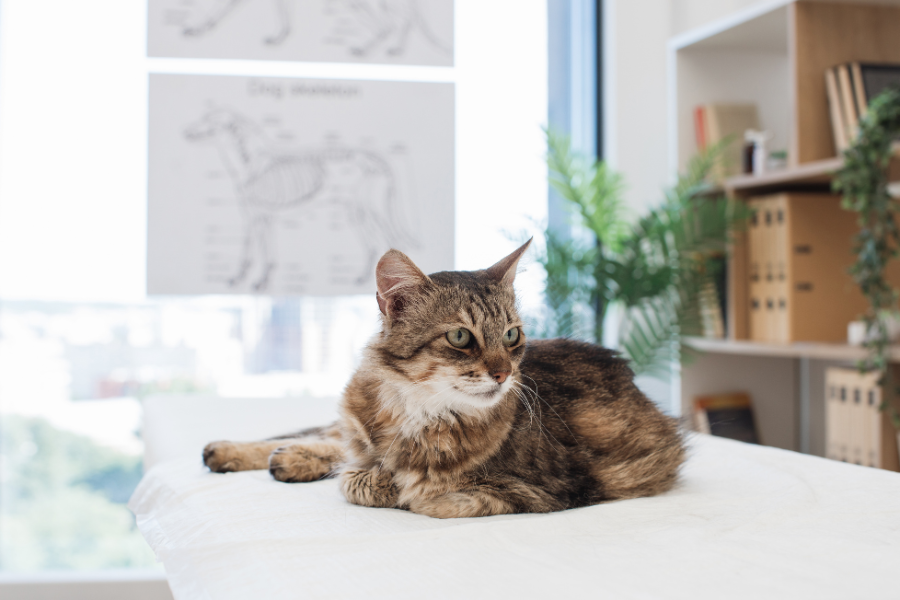
Bringing home a kitten can be an exciting step for a family, but choosing the right personality and care needs matters just as much as choosing a cute face. Families with young children may need a kitten that is social, adaptable, playful, and comfortable with normal household activity. At Lakewood Animal Hospital, Locust Grove, VA, we often help first-time owners understand what makes a good family cat before bringing a new kitten home. Breed can offer helpful clues, but individual temperament is just as important. This guide explains which traits to look for, several popular kid-friendly cat breeds, and how to prepare your home for a healthy start.
What Makes a Kitten a Good Choice for a Family?
Family-friendly kittens are generally social, adaptable, and comfortable with gentle handling. A kitten that has been positively exposed to people and everyday household sounds may adjust more easily to a busy family home.
Breed can influence energy level, grooming needs, and personality tendencies, but it does not guarantee behavior. When choosing a kitten, consider these traits:
| Trait | Why It Matters |
| Social personality | Helps the kitten adjust to family interaction |
| Moderate energy | Makes playtime easier to manage |
| Gentle temperament | Helpful around respectful children |
| Adaptability | Supports adjustment to new routines |
| Comfortable with handling | Makes grooming and veterinary care easier |
Children should still be taught to handle kittens gently. Even a very social kitten needs a quiet place where it can retreat when it wants to rest.
Which Cat Breeds Are Often Good for Families?
Some breeds are known for friendly or adaptable personalities, although individual cats can vary. Families should consider the kitten’s temperament, grooming requirements, activity level, and expected adult size before making a decision.
| Breed | Common Personality Traits | Family Considerations |
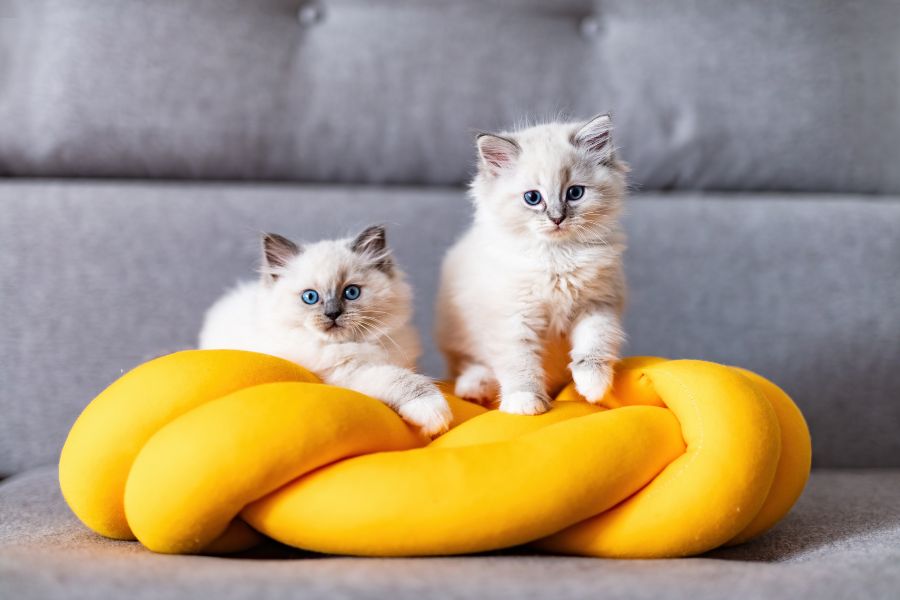
| Ragdoll | Gentle, social, relaxed | Requires regular grooming |
| Maine Coon | Friendly, playful, adaptable | Grows large and needs space |
| American Shorthair | Easygoing, playful | Generally manageable grooming |
| Birman | Affectionate, people-oriented | Enjoys companionship |
| British Shorthair | Calm, steady | Often less demanding for busy homes |
Mixed-breed kittens can also make wonderful family pets. A shelter or rescue may be able to tell you how a kitten behaves around adults, children, other cats, or dogs.
How Should First-Time Owners Choose a Kitten?
Look beyond appearance when meeting potential kittens. Spend time observing how each kitten responds to people, toys, handling, and unfamiliar surroundings.
A few helpful questions include:
- Does the kitten approach people willingly?
- Does it recover quickly after a new sound or movement?
- Is it playful without being excessively rough?
- Can it tolerate brief, gentle handling?
- Does its energy level fit your household?
- Are you prepared for its grooming and care requirements?
A veterinary examination is also an important part of bringing home a new kitten. Your veterinarian can check overall health and discuss nutrition, parasite prevention, behavior, dental care, and age-appropriate wellness needs.
What Can First-Time Owners Expect During a Kitten Wellness Visit?
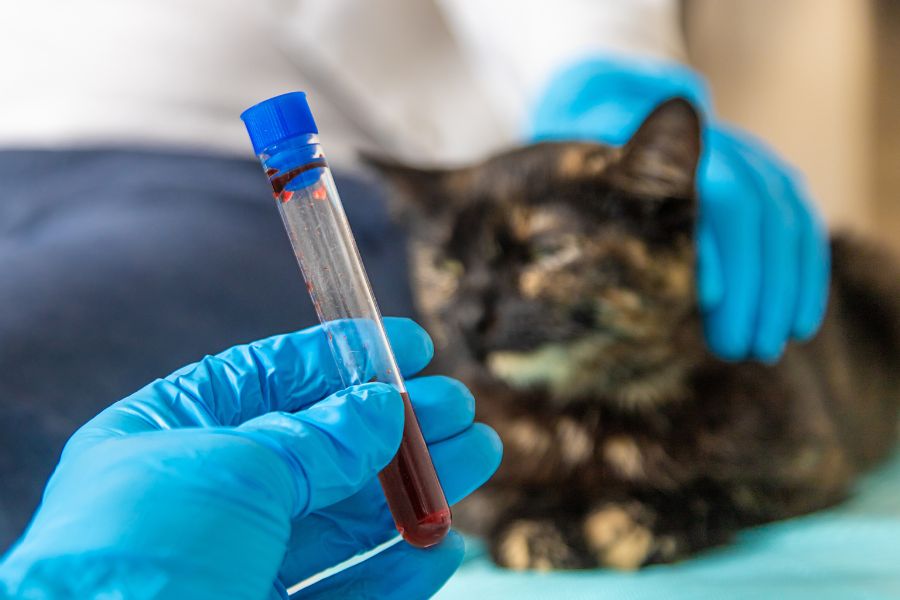
A kitten wellness visit gives your veterinarian an opportunity to establish a health baseline and identify concerns early. The visit may include a physical examination, weight check, discussion of nutrition and behavior, and recommendations based on the kitten’s age and lifestyle.
For example, a family brought in a recently adopted kitten that seemed healthy but was unusually quiet and had a reduced appetite. During the examination, the veterinarian noticed mild signs of dehydration and recommended supportive care and close monitoring. The kitten improved quickly after treatment, and the family left with clear instructions for feeding, hydration, litter box monitoring, and follow-up care.
Early veterinary visits can also help first-time owners feel more confident about everyday kitten care.
How Can You Prepare Your Home for a New Kitten?
A little preparation can make the transition easier for both your family and your kitten. Set up a quiet area before the kitten arrives, then gradually introduce it to the rest of the home.
Consider preparing:
- A comfortable sleeping area.
- Food and water bowls.
- A properly sized litter box.
- Scratching surfaces and safe toys.
- Hiding spaces where the kitten can relax.
- Secure storage for household cleaners and medications.
Children should learn a few basic rules before the kitten comes home. They should avoid chasing, pulling the tail, disturbing the kitten while eating or sleeping, or forcing interaction.
Why Do Families in Locust Grove Choose a Trusted Veterinary Hospital?
Choosing a family veterinarian in Locust Grove is another important part of responsible kitten ownership. A veterinary hospital can provide ongoing wellness care, diagnostic services, nutritional guidance, and advice about behavior as your kitten grows into an adult cat. At Lakewood Animal Hospital, Locust Grove, VA, our goal is to help families understand their pet’s changing needs rather than simply react when something goes wrong. Regular veterinary visits give you an opportunity to ask questions, track growth, and catch potential problems early.
Conclusion
The best family-friendly kittens are not defined by breed alone. Look for a kitten with a social, adaptable temperament that fits your family’s activity level, while also considering grooming, space, and long-term care needs. Children also play an important role because gentle, respectful handling helps build trust. If you are bringing home your first kitten, pet guidance from a vet near you at Lakewood Animal Hospital in Locust Grove, VA, can give you practical guidance and peace of mind. Contact the hospital to schedule a wellness visit and start your new relationship on the right foot.
FAQs
Q1: What are the best kittens for families with children?
A: Social, adaptable kittens with gentle temperaments are often good choices. Ragdolls, Maine Coons, American Shorthairs, and Birmans are examples of breeds that may fit family homes, but individual personality matters.
Q2: How can I tell if a kitten is friendly?
A: Watch how the kitten responds to people, gentle handling, play, and unfamiliar sounds. A kitten that remains curious or settles after a brief startle may adapt well to a household.
Q3: How often should a new kitten see a veterinarian?
A: Young kittens need veterinary care at intervals based on their age, health, and individual needs. Your veterinarian can create an appropriate wellness schedule after the initial examination.
Q4: How much does a kitten wellness visit cost?
A: Costs vary based on the examination and any recommended diagnostic or preventive services. Ask your veterinary hospital for an estimate before the visit.
Q5: When should I take a new kitten to a vet?
A: Schedule an examination soon after bringing the kitten home. Prompt care is especially important if your kitten is not eating, has repeated vomiting or diarrhea, seems very weak, or has trouble breathing.
Trusted Pet Care & a Friendly Welcome for Every Pet
