
Hablamos Español
Unconventional Pets: A Complete Guide to Unique Animal Companions


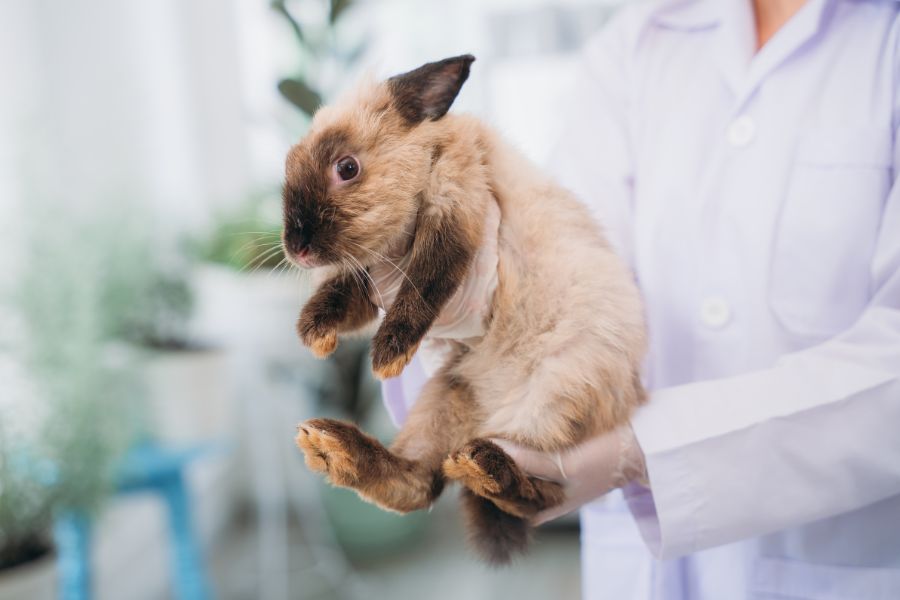
Unconventional pets are becoming increasingly popular among animal lovers who want something beyond cats and dogs. From reptiles to exotic birds, these unique companions offer a different kind of bond and care experience. In this guide, we’ll explore everything you need to know about unconventional pets, including types, care requirements, pros and cons, and how to choose the right one for your lifestyle.
What Are Unconventional Pets?
Unconventional pets refer to animals that are not traditionally kept as household companions, like dogs or cats. These pets often include reptiles, amphibians, small mammals, birds, and even insects.
People choose unconventional pets for many reasons:
- Unique appearance and behavior
- Lower noise levels
- Allergy-friendly options
- Less space required in some cases
However, owning these pets comes with responsibilities that differ greatly from traditional pet care.
Popular Types of Unconventional Pets
There are many types of unconventional pets, each with its own care needs and personality traits.
Reptiles
Reptiles are among the most common unconventional pets. They are quiet, low-maintenance in some ways, and fascinating to observe.
Popular options include:
- Bearded dragons
- Leopard geckos
- Ball pythons
- Turtles and tortoises
They require controlled environments with proper heating, lighting, and humidity levels.
Exotic Birds
Birds can be intelligent and social companions, though they require attention and mental stimulation.
Examples:
- Parrots
- Cockatiels
- Lovebirds
Birds often form strong bonds with their owners but may need daily interaction and enrichment.
Small Mammals
Some small mammals are considered unconventional depending on your region and lifestyle.
Examples include:
- Hedgehogs
- Sugar gliders
- Ferrets
These pets can be playful and interactive, but may have specific dietary and housing requirements.
Amphibians
Amphibians are low-noise pets that are ideal for observation rather than handling.
Examples:
- Frogs
- Salamanders
- Axolotls
They require clean water systems and carefully maintained habitats.
Insects and Arachnids
For truly unique pet lovers, insects and arachnids are gaining popularity.
Examples:
- Tarantulas
- Praying mantises
- Stick insects
They require minimal space and are often low-cost to maintain.
Benefits of Owning Unconventional Pets
Choosing unconventional pets can offer several advantages, especially for the right type of owner.
1. Unique Experience
These pets provide a different perspective on animal companionship. Observing their behaviors can be both educational and fascinating.
2. Space Efficiency
Many unconventional pets require smaller living spaces compared to dogs or cats, making them suitable for apartments.
3. Lower Noise Levels
Most unconventional pets are quiet, which is ideal for people living in shared spaces.
4. Allergy-Friendly Options
Reptiles and amphibians do not produce dander, making them a good option for allergy sufferers.
Challenges of Keeping Unconventional Pets
While unconventional pets can be rewarding, they also come with unique challenges that should not be overlooked.
Specialized Care Requirements
Many exotic animals need:
- Specific temperature and humidity conditions
- Specialized diets
- Custom enclosures
Improper care can lead to serious health issues.
Limited Veterinary Care
Not all veterinarians are trained to treat exotic animals. You may need to find a clinic with experience in exotic pet care.
Legal Restrictions
Some unconventional pets may be restricted or require permits depending on your location. Always check local regulations before adopting.
Longer Lifespans
Certain species, like parrots or tortoises, can live for decades, requiring long-term commitment.
How to Choose the Right Unconventional Pet
Selecting the right unconventional pet depends on your lifestyle, experience level, and commitment.
Consider Your Time Commitment
Some pets require daily interaction, while others are more independent. Be honest about how much time you can dedicate.
Evaluate Your Living Space
Make sure you have enough room for enclosures, temperature control equipment, and safe placement.
Research Dietary Needs
Many unconventional pets require specific diets, such as live insects or specialized pellets.
Understand Temperament
Not all unconventional pets enjoy handling. If you want an interactive companion, choose accordingly.
Budget for Setup and Maintenance
Initial setup costs for habitats, lighting, and equipment can be significant. Ongoing care costs should also be considered.
Essential Care Tips for Unconventional Pets
Proper care is key to keeping unconventional pets healthy and thriving.
Create the Right Habitat
Each species requires a carefully designed environment. This may include:
- Heat lamps or UV lighting
- Humidity control systems
- Proper substrate
Maintain Cleanliness
Regular cleaning of enclosures helps prevent disease and keeps your pet comfortable.
Provide Proper Nutrition
Feeding the correct diet is critical. Always research species-specific nutritional needs.
Monitor Health Regularly
Look for signs of illness such as:
- Loss of appetite
- Changes in behavior
- Unusual shedding or skin issues
Early detection can prevent serious problems.
Are Unconventional Pets Good for Families?
Unconventional pets can be suitable for families, but it depends on the type of pet and the age of the children.
- Reptiles and amphibians are better for older children who can handle them gently
- Small mammals like ferrets may be more interactive for families
- Insects and arachnids are best for observation and education
Supervision is always important, especially with younger children.
Common Mistakes to Avoid
New owners often make avoidable mistakes when caring for unconventional pets.
Lack of Research
Failing to understand the pet’s needs can lead to poor health and stress.
Improper Habitat Setup
Incorrect temperature or humidity levels can be dangerous.
Overhandling
Some pets do not tolerate frequent handling and may become stressed.
Ignoring Veterinary Care
Routine checkups are just as important for unconventional pets as they are for traditional pets.
Unconventional pets offer a unique and rewarding experience for those willing to invest the time and effort into proper care. From reptiles to exotic birds, these animals can become fascinating companions when their needs are met.
Before bringing one home, take the time to research, prepare your space, and understand the long-term commitment involved. If you are considering adding an unconventional pet to your family, consult with a trusted veterinary hospital like Lakewood Animal Hospital in Locust Grove, VA, to ensure you are fully prepared.
FAQs:
Q1: What are the best unconventional pets for beginners?
Ans: Beginners often do well with leopard geckos, betta fish, or corn snakes due to their relatively simple care needs.
Q2: Are unconventional pets expensive to maintain?
Ans: Initial setup can be costly, but ongoing expenses vary depending on the species and its dietary and habitat needs.
Q3: Do unconventional pets need veterinary care?
Ans: Yes, regular checkups are important, especially with veterinarians experienced in exotic animal care.
Q4: Are unconventional pets safe for children?
Ans: Some are, but supervision is essential. Choose species that are known to be gentle and easy to manage.
Q5: Can unconventional pets form bonds with their owners?
Ans: Certain pets like birds and ferrets can form strong bonds, while others are more suited for observation rather than interaction.

Trusted Pet Care & a Friendly Welcome for Every Pet
