
Hablamos Español
Can Pets Help with Anxiety? A Complete Guide for Pet Owners



If you’ve ever wondered if pets can help with anxiety, you’re not alone. Many pet owners notice a sense of calm and comfort when spending time with their furry companions. In this guide, we’ll explore how pets support mental health, the science behind their calming effects, and how to choose the right pet for emotional support.
Can Pets Help with Anxiety? Understanding the Basics
The short answer is yes, pets can help with anxiety in many cases. While they are not a replacement for professional mental health treatment, animals can provide emotional comfort, routine, and companionship.
Pets, especially dogs and cats, offer unconditional love and non-judgmental support. This connection can help reduce feelings of loneliness, stress, and worry.
Many therapists and mental health experts recognize the benefits of animal-assisted support, which is why emotional support animals (ESAs) and therapy animals are becoming more common.
The Science Behind Pets and Anxiety Relief
Research shows that interacting with animals can lead to real, measurable changes in the body.
Here’s how pets can positively affect your mental health:
- Lower cortisol levels: Cortisol is the hormone linked to stress. Spending time with pets can reduce it.
- Increase oxytocin: Known as the “love hormone,” oxytocin promotes bonding and relaxation.
- Reduce heart rate and blood pressure: Petting a dog or cat can have a calming physical effect.
- Boost serotonin and dopamine: These chemicals help improve mood and emotional stability.
Even short interactions, like petting your dog for 10 minutes, can create noticeable relaxation.
Emotional Benefits of Having a Pet
When asking if pets can help with anxiety, it’s important to look beyond biology and consider emotional impact.
1. Companionship Reduces Loneliness
Pets provide constant companionship, which is especially helpful for people who live alone or struggle with social anxiety.
2. Structure and Routine
Caring for a pet creates a daily routine. Feeding, walking, and grooming your pet adds structure, which can help reduce anxious thoughts.
3. Distraction from Negative Thoughts
Pets naturally pull your focus away from stress. Playing, training, or simply watching them can interrupt anxious thinking patterns.
4. Encourages Physical Activity
Dogs, in particular, need regular walks. Exercise is a proven way to reduce anxiety and improve mood.
5. Sense of Purpose
Taking care of a pet gives you a reason to get up and stay engaged, which is especially helpful during anxious or low periods.
Best Types of Pets for Anxiety Support
Not all pets provide the same level of emotional support. Choosing the right pet depends on your lifestyle, living space, and emotional needs.
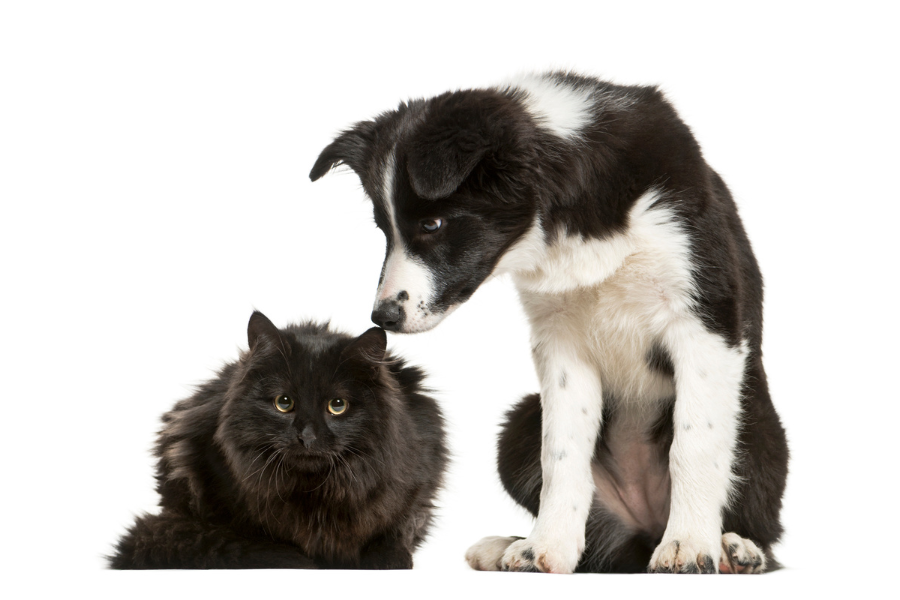
Dogs
Dogs are one of the best options for anxiety support because they are highly social and intuitive.
- Great for companionship and physical activity
- Can be trained as emotional support or therapy animals
- Provide strong emotional bonding
Cats
Cats are ideal for people who prefer a more independent companion.
- Lower maintenance than dogs
- Provide calming presence and comfort
- Perfect for smaller living spaces
Small Animals (Rabbits, Guinea Pigs)
These pets are gentle and easy to care for.
- Quiet and suitable for apartments
- Provide comfort through interaction
Birds and Fish
While less interactive, they can still reduce stress.
- Watching fish swim can be very calming
- Birds can provide cheerful companionship
What Are Emotional Support Animals (ESAs)?
Emotional Support Animals are pets that provide comfort for individuals with mental health conditions like anxiety.
Unlike service animals, ESAs:
- Do not require specialized training
- Are prescribed by a licensed mental health professional
- Offer emotional stability and companionship
It’s important to understand that while ESAs provide support, they are not a cure for anxiety disorders.
Practical Tips for Using Pets to Manage Anxiety
If you’re considering a pet to help with anxiety, here are some helpful strategies:
Build a Daily Routine
Stick to consistent feeding, walking, and playtimes. Routine helps both you and your pet feel secure.
Spend Quality Time Together
Set aside time each day to interact with your pet, whether it’s cuddling, grooming, or playing.
Practice Mindfulness with Your Pet
Focus on the moment while petting or walking your pet. Notice their behavior, breathing, and presence.
Train and Socialize Your Pet
A well-behaved pet reduces stress rather than adds to it. Training builds trust and improves your bond.
Combine with Professional Care
Pets are helpful, but they work best alongside therapy, counseling, or medical support if needed.
Are There Any Challenges to Consider?
While exploring can pets help with anxiety, it’s important to consider the responsibilities involved.
- Time commitment: Pets need daily care and attention
- Financial costs: Food, grooming, and veterinary care add up
- Emotional responsibility: Pets depend on you for their well-being
- Lifestyle adjustments: Travel and schedules may need to change
If not properly planned, these factors can increase stress rather than reduce it.
When Should You Consider Getting a Pet for Anxiety?
A pet may be a good option if:
- You’re looking for companionship and emotional support
- You can commit to daily care and responsibilities
- You enjoy interacting with animals
- You have the financial stability for pet care
However, if your anxiety is severe, it’s best to consult a healthcare professional before making a decision.
So, can pets help with anxiety? For many people, the answer is yes. Pets offer companionship, reduce stress, and create a sense of purpose that can make a meaningful difference in daily life. While they are not a replacement for medical care, they can be a powerful part of a well-rounded approach to managing anxiety.
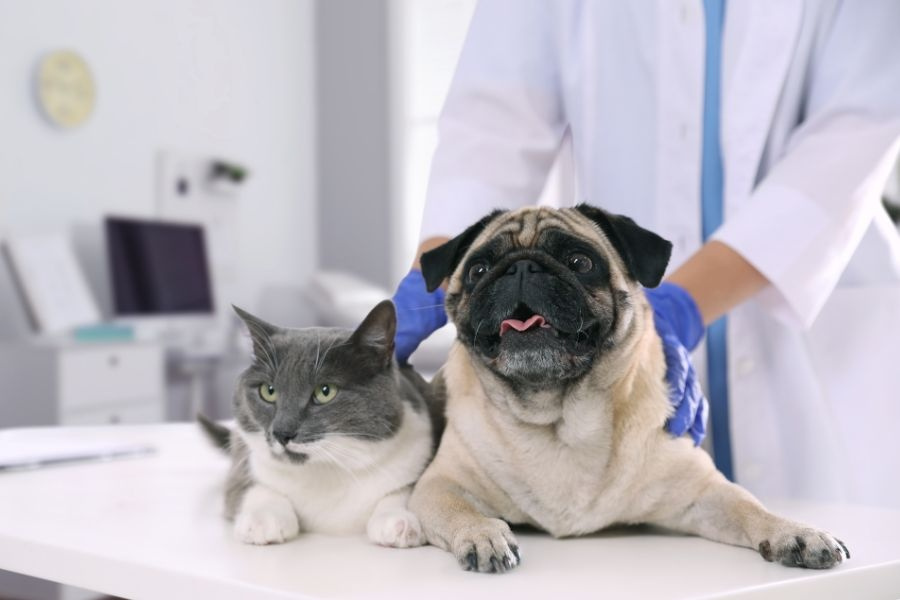
If you’re considering adding a pet to your family or want guidance on choosing the right companion, the team at Lakewood Animal Hospital in Locust Grove, VA, is here to help. Schedule a visit today to ensure both you and your future pet start on the right path toward a healthier, happier life.
FAQs
Q1: Can pets really reduce anxiety symptoms?
Ans: Yes, pets can help lower stress hormones, improve mood, and provide emotional comfort, which may reduce anxiety symptoms.
Q2: What is the best pet for anxiety relief?
Ans: Dogs and cats are the most common choices, but the best pet depends on your lifestyle and personal preferences.
Q3: Do emotional support animals need special training?
Ans: No, emotional support animals do not require special training, but they should be well-behaved and manageable.
Q4: Can a pet replace anxiety medication or therapy?
Ans: No, pets should complement, not replace, professional mental health treatment.
Q5: How quickly can a pet help with anxiety?
Ans: Many people feel calmer almost immediately, but long-term benefits develop with consistent interaction and bonding.

Trusted Pet Care & a Friendly Welcome for Every Pet
