
Hablamos Español
Your New Puppy’s First Vet Visit: What to Expect and How to Prepare


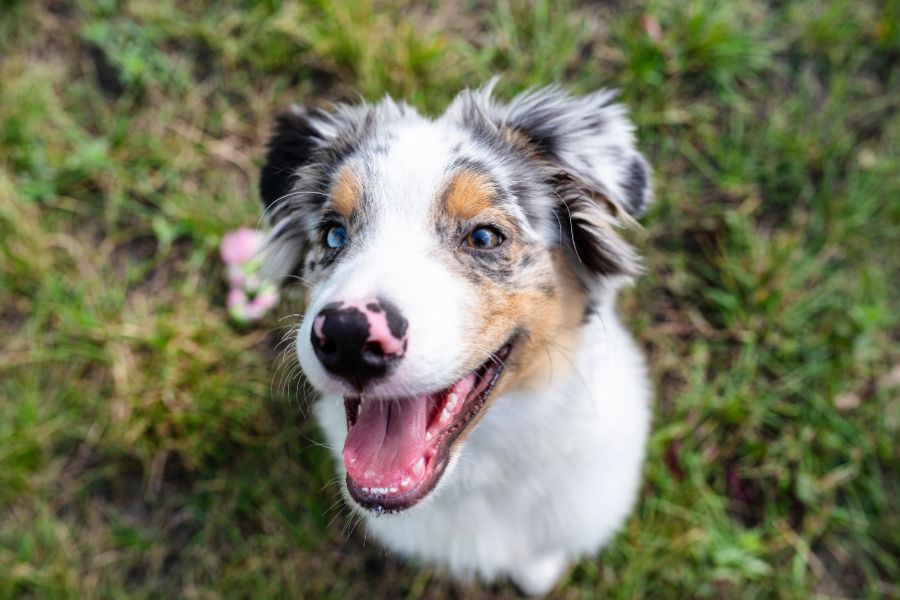
Bringing home a new puppy is an exciting milestone, but it also comes with important responsibilities. One of the first and most important steps you can take for your new companion is scheduling their first veterinary appointment. Your new puppy’s first vet visit helps establish a healthcare plan, assess overall health, and allows you to ask questions about nutrition, training, and preventive care.
In this guide, you’ll learn what happens during a puppy’s first appointment, how to prepare beforehand, and what you can expect from your veterinarian to ensure your puppy gets the best possible start in life.
Why Your New Puppy’s First Vet Visit Matters
The first few months of a puppy’s life are critical for growth and development. A comprehensive veterinary examination helps identify any health concerns early and provides guidance tailored to your puppy’s needs.
Benefits of an early veterinary visit include:
- Establishing a health baseline
- Detecting congenital or developmental issues
- Discussing nutrition and feeding schedules
- Reviewing parasite prevention options
- Addressing behavior and training questions
- Creating a preventive healthcare plan
Scheduling your puppy’s first appointment shortly after bringing them home is recommended.
When Should You Schedule the First Vet Visit
Ideally, your puppy should see a veterinarian within the first week of arriving at their new home.
Even if your breeder, rescue organization, or previous owner provided health records, a veterinary examination offers an independent assessment of your puppy’s overall condition.
Early appointments also help puppies become comfortable with veterinary visits, making future appointments less stressful.
How to Prepare for Your Puppy’s First Vet Visit
Preparation can make the appointment smoother for both you and your puppy.
Bring Medical Records
If available, bring:
- Previous veterinary records
- Adoption paperwork
- Breeder information
- Health certificates
- Medication history
These documents help your veterinarian understand your puppy’s medical background.
Bring a Stool Sample
A fresh stool sample can help your veterinarian evaluate your puppy for intestinal parasites that may not show obvious symptoms.
Place the sample in a sealed container and keep it refrigerated until your appointment if needed.
Use a Secure Carrier or Leash
Safety is important when transporting a young puppy.
Depending on your puppy’s size and comfort level, use:
- A properly fitted harness
- A secure leash
- A travel crate or carrier
This helps prevent injuries and reduces stress during travel.
Write Down Questions
New puppy owners often have many questions. Consider making a list beforehand.
Common topics include:
- Feeding schedules
- House training
- Crate training
- Exercise needs
- Grooming requirements
- Behavioral concerns
- Socialization tips
Bringing a list ensures you don’t forget important questions during the visit.
What Happens During a New Puppy’s First Vet Visit
A comprehensive examination allows your veterinarian to evaluate your puppy from nose to tail.
Weight and Growth Assessment
Your puppy will be weighed to establish a baseline and monitor future growth.
Healthy weight gain is an important indicator of proper development.
Physical Examination
Your veterinarian will perform a full examination, including checking:
- Eyes
- Ears
- Nose
- Mouth and teeth
- Skin and coat
- Heart and lungs
- Abdomen
- Joints and mobility
This helps identify any abnormalities or concerns that may require additional attention.
Parasite Screening
Young puppies are particularly vulnerable to internal and external parasites.
Your veterinarian may recommend testing and preventive measures based on your puppy’s age, lifestyle, and risk factors.
Behavioral Evaluation
The first appointment is also a good opportunity to discuss your puppy’s temperament and behavior.
Topics often include:
- Biting and chewing
- Socialization
- Separation anxiety
- House training
- Basic obedience
Early guidance can help prevent common behavioral problems from developing.
Questions Your Veterinarian May Ask
During the appointment, your veterinarian will likely ask questions about your puppy’s history and daily routine.
Be prepared to discuss:
- Age and breed
- Diet and feeding schedule
- Water intake
- Activity level
- Sleeping habits
- Bathroom habits
- Any coughing, sneezing, vomiting, or diarrhea
Providing accurate information helps your veterinarian make informed recommendations.
Nutrition Guidance for Growing Puppies
Proper nutrition plays a major role in healthy development.
Your veterinarian may discuss:
Choosing the Right Food
Puppies have different nutritional needs than adult dogs.
Look for foods that provide:
- High-quality protein
- Balanced fats
- Essential vitamins and minerals
- Appropriate calorie levels for growth
Feeding Schedule Recommendations
Most young puppies benefit from multiple small meals throughout the day.
Your veterinarian can recommend portion sizes and feeding frequency based on your puppy’s breed, size, and age.
Socialization and Training Advice
Early socialization is one of the most important aspects of raising a well-adjusted dog.
Your veterinarian may recommend exposing your puppy to:
- New people
- Different environments
- Various sounds
- Gentle handling experiences
- Other friendly pets when appropriate
Positive experiences during puppyhood help build confidence and reduce fear later in life.
Common Concerns New Puppy Owners Have
It’s normal to feel overwhelmed as a new puppy owner.
Some common concerns include:
Why Is My Puppy Biting Everything?
Mouthing and chewing are natural puppy behaviors. Puppies explore the world with their mouths and may chew more during teething stages.
How Much Sleep Does a Puppy Need?
Most puppies sleep between 18 and 20 hours per day. Adequate rest supports healthy growth and brain development.
Is It Normal for My Puppy to Have Accidents?
Yes. House training takes time and consistency. Frequent bathroom breaks and positive reinforcement help puppies learn appropriate habits.
Signs You Should Contact Your Veterinarian Sooner
While many puppy behaviors are normal, some symptoms require prompt veterinary attention.
Contact your veterinarian in Locust Grove if your puppy experiences:
- Refusal to eat
- Severe lethargy
- Persistent vomiting
- Ongoing diarrhea
- Difficulty breathing
- Sudden weakness
- Significant behavioral changes
Early intervention often improves outcomes and helps prevent complications.
Tips for a Stress-Free First Vet Visit
You can help your puppy have a positive experience by:
- Scheduling appointments during quieter times if possible
- Bringing favorite treats
- Remaining calm and positive
- Allowing your puppy time to explore the exam room
- Rewarding good behavior
Creating positive associations with veterinary visits can benefit your puppy for years to come.
Conclusion
Your new puppy’s first vet visit is an important step toward a lifetime of health and happiness. By preparing ahead of time, bringing relevant information, and asking questions, you can make the experience smooth and productive. Regular veterinary care helps ensure your puppy grows into a healthy, confident adult dog. If you’ve recently welcomed a new puppy into your family, schedule an appointment with Lakewood Animal Hospital in Locust Grove, VA to give your newest companion the best possible start.
FAQs
Q1: When should a new puppy have its first vet visit?
A new puppy should ideally visit a veterinarian within the first week after arriving at their new home to establish a healthcare plan and assess overall health.
Q2: What should I bring to my puppy’s first vet appointment?
Bring any available medical records, adoption paperwork, breeder information, a fresh stool sample, and a list of questions about your puppy’s care.
Q3: How long does a puppy’s first vet visit take?
Most first puppy appointments take between 30 and 60 minutes, depending on your puppy’s needs and the topics discussed.
Q4: What questions should I ask during my puppy’s first vet visit?
Ask about nutrition, training, socialization, parasite prevention, grooming, exercise requirements, and any specific concerns about your puppy’s behavior or health.
Q5: How can I help my puppy feel comfortable during the appointment?
Use positive reinforcement, bring treats, remain calm, and allow your puppy time to adjust to the new environment. Positive experiences help reduce stress during future veterinary visits.

Trusted Pet Care & a Friendly Welcome for Every Pet
