
Hablamos Español
How to Help Your New Puppy Adjust to Its First Home


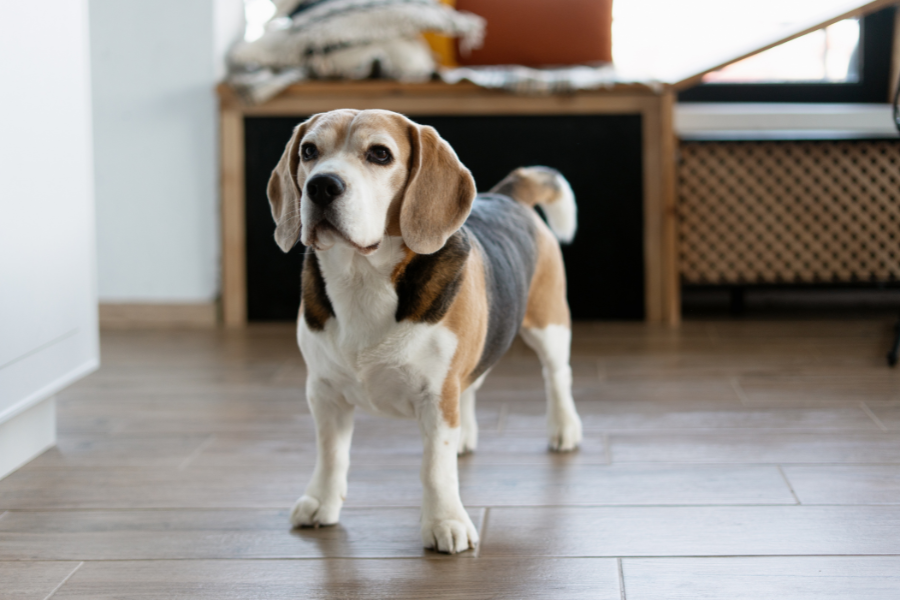
Bringing a puppy home is an exciting experience, but the first few days can also be confusing for a young dog. Your puppy has left familiar smells, sounds, littermates, and daily routines behind. A new home may feel strange, even when it is warm and welcoming. Patience and a steady routine can help your puppy feel safe while learning what to expect. From setting up a comfortable sleeping area to introducing family members slowly, small steps can make a big difference. If you are welcoming a puppy in Locust Grove, VA, Lakewood Animal Hospital can help you plan early veterinary visits and understand your puppy’s health needs as they grow.
How Long Does It Take a New Puppy to Adjust to Its First Home?
Many puppies begin to settle within the first few days, but feeling fully comfortable in a new home can take several weeks or longer. The adjustment period depends on the puppy’s age, personality, previous experiences, and home environment. A calm routine, gentle handling, positive experiences, and consistent training can help your puppy build confidence.
Try not to expect your puppy to learn everything at once. Give them time to explore and rest between new experiences.
How Should You Prepare Your Home Before Bringing Your Puppy Home?
A safe and organized space helps your puppy understand where to eat, sleep, play, and relax. Before bringing your new companion home, walk through each room from a puppy’s point of view.
Create a Comfortable Puppy Area
Choose a quiet area where your puppy can rest without constant activity. Set up:
- A comfortable bed or crate, if you plan to crate train
- Food and water bowls
- Safe toys suited to your puppy’s age and size
- Puppy training pads, if needed
- A designated place for rest and quiet time
Keep the sleeping area away from busy walkways and loud household activity. Your puppy should be able to retreat there when tired.
Make the Home Safer
Puppies explore with their mouths and paws. Remove common household hazards before they arrive.
- Store cleaning products and medicines out of reach.
- Keep electrical cords covered or inaccessible.
- Secure small objects that could be swallowed.
- Place household waste in a closed bin.
- Check that windows, gates, and doors are secure.
- Keep toxic foods and unsafe plants away from your puppy.
Supervise your puppy closely, especially in rooms they have not explored before.
How Can You Help Your Puppy Feel Safe During the First Few Days?
The first days should be calm and predictable. Avoid inviting many visitors or taking your puppy to several new places right away. Too much activity can make it harder for a young dog to rest and feel secure.
Let your puppy explore one area at a time. Sit nearby and allow them to approach you instead of forcing contact. Use a gentle voice and reward calm behavior with praise or small, suitable treats.
If your puppy hides, whines, or seems unsure, give them space while staying close enough to offer reassurance. Avoid scolding them for accidents or nervous behavior. They are still learning what is expected.
Build a Simple Daily Routine
A predictable schedule helps your puppy understand what happens next.
| Daily activity | Helpful approach |
|---|---|
| Meals | Feed at consistent times and follow age-appropriate portions |
| Bathroom breaks | Take your puppy out after waking, eating, drinking, and playing |
| Playtime | Use short, supervised play sessions |
| Training | Practice one simple skill at a time |
| Rest | Provide frequent quiet breaks and a regular bedtime |
Young puppies need plenty of sleep. If your puppy becomes overly excited, bites during play, or struggles to settle, they may need rest rather than more activity.
How Do You Help a New Puppy Adjust to Family Members and Other Pets?
Introduce family members gradually. Children should learn to approach gently, avoid pulling ears or tails, and leave the puppy alone while eating or sleeping. Supervise all interactions, even when the puppy and child seem comfortable together.
If you already have another pet, give both animals time to adjust. Start with controlled, short introductions and provide separate food bowls, resting spaces, and toys. Do not force them to interact.
Watch body language. A relaxed puppy may have a loose body and show interest in exploring. Hiding, repeated lip licking, tucked posture, or trying to move away can suggest discomfort. Give your puppy a break when these signs appear.
Hypothetical case study: Imagine a puppy named Archie who comes home to a family with an older dog. During the first introduction, Archie becomes excited while the older dog moves away. The family gives both dogs separate resting areas and allows short, supervised interactions over the next several days. With time and calm handling, both dogs begin to share space more comfortably.
Every pet is different, so let their behavior guide the pace of introductions.
What Training Should Begin During Your Puppy’s First Weeks at Home?
Start with simple lessons that make daily life easier. Short, positive training sessions are usually more effective than long sessions that leave your puppy tired or frustrated.
Focus on:
- Name recognition: Say your puppy’s name and reward them for looking toward you.
- Bathroom habits: Take them to the same outdoor area regularly and praise them after they go.
- Gentle handling: Briefly touch paws, ears, and the collar while rewarding calm behavior.
- Basic cues: Introduce simple words such as “sit,” “come,” and “leave it.”
- Alone-time practice: Start with short periods in a safe space so your puppy learns that being alone briefly is normal.
Never use fear or harsh punishment to teach a puppy. Rewarding the behavior you want helps build trust and makes learning more enjoyable.
When Should Your New Puppy Have a Veterinary Visit?
A veterinary visit to a Locust Grove vet is an important part of helping your puppy settle into a healthy routine. Lakewood Animal Hospital recommends that puppies have their first veterinary visit between 6 and 8 weeks of age. If your puppy is older or you are unsure about their previous care, contact a veterinarian to discuss the best appointment timing.
During the first visit, the veterinarian can:
- Perform a physical examination
- Review your puppy’s medical history
- Discuss nutrition and healthy growth
- Check for parasites and other health concerns
- Answer questions about behavior and daily care
- Help plan future wellness visits
Bring any records provided by the breeder, rescue group, or previous caregiver. Also write down questions about food, sleep, training, and behavior.
Contact a veterinarian promptly if your puppy has repeated vomiting, ongoing diarrhea, refuses food, becomes unusually weak, or seems unwell. Young puppies can become dehydrated more quickly than adult dogs, so do not ignore persistent symptoms.
Conclusion
Helping a new puppy adjust to its first home takes patience, consistency, and gentle guidance. Prepare a safe space, establish regular meal and bathroom times, introduce people and pets slowly, and use positive training methods. Give your puppy plenty of rest and allow them to explore at a comfortable pace. Early veterinary care also helps you understand your puppy’s health and development. If you are looking for a reliable veterinarian near you, then Lakewood Animal Hospital in Locust Grove, VA, can help you plan your puppy’s first visit and discuss the care needed during this important stage through effective puppy care. With a calm start and steady support, your puppy can grow into a confident family companion.
Frequently Asked Questions
Q1. How long does it take for a puppy to settle into a new home?
Ans: Some puppies begin to feel comfortable within a few days, while others need several weeks. Their adjustment depends on personality, age, past experiences, and the home environment. A steady routine and gentle handling can make the process easier.
Q2. What should I do on my puppy’s first night at home?
Ans: Set up a quiet, comfortable sleeping area close enough for you to hear your puppy. Offer a bathroom break before bedtime and keep the evening calm. Some whining is common during adjustment, so provide reassurance without turning nighttime into an active play session.
Q3. When should I take my new puppy to the veterinarian?
Ans: Arrange a veterinary visit soon after bringing your puppy home. Lakewood Animal Hospital recommends a first visit between 6 and 8 weeks of age. If your puppy is older or has an unknown medical history, call a veterinarian to discuss timing.
Q4. How can I stop my puppy from having accidents indoors?
Ans: Take your puppy to the bathroom area after waking, eating, drinking, and playing. Praise them immediately after they go in the correct place. Clean indoor accidents thoroughly and avoid punishment, which can make training more stressful.
Q5. Should I let my new puppy meet other pets right away?
Ans: Introduce pets gradually in a calm, supervised setting. Give each animal a separate space for food, rest, and play, and watch for signs of stress. Allow them to become familiar at their own pace rather than forcing interaction.



Trusted Pet Care & a Friendly Welcome for Every Pet
