
Hablamos Español
How Often Should Your Pet See a Vet? A Local Perspective?


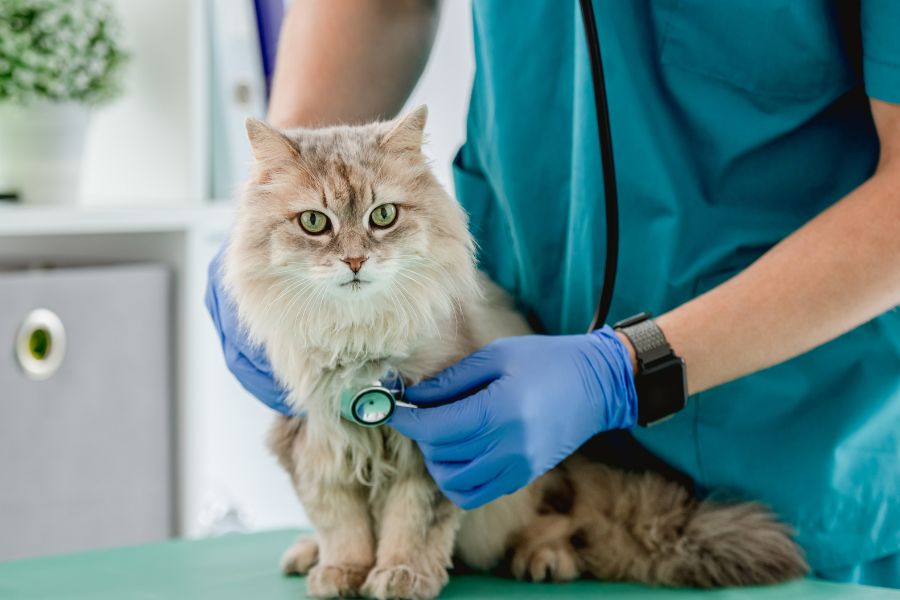
As a loving pet parent, you want your dog or cat to live a long, healthy life. One of the most important steps in making that happen is scheduling regular veterinary visits. But how often is “regular”? Is once a year enough? What about puppies, kittens, or senior pets? The answer depends on your pet’s age, lifestyle, and overall health. In this guide, we’ll break down how often pets should see a veterinarian and why these visits matter, especially for families in Locust Grove, VA.
Why Routine Vet Visits Matter?
Pets are experts at hiding pain and illness. By the time symptoms become obvious, a condition may already be advanced. Regular checkups help detect health issues early, when treatment is often easier and more affordable.
Routine visits also include:
- Physical exams
- Vaccinations
- Parasite prevention
- Dental evaluations
- Nutrition and weight guidance
- Bloodwork (when needed)
For pet owners searching for “Vets near Me” in Locust Grove, VA, choosing a trusted local hospital ensures your pet receives personalized care tailored to the region’s environment and health risks.
How Often Should Puppies and Kittens See a Vet?
Young pets need frequent veterinary visits during their first year of life.
Puppies and Kittens (Birth to 12 Months)
Recommended Visits: Every 3–4 weeks until about 16 weeks old
During this stage, your pet will receive:
- Core vaccinations
- Deworming treatments
- Growth monitoring
- Nutritional guidance
- Microchipping
- Spay or neuter consultation
Early visits build a strong health foundation. They also help your pet become comfortable with veterinary care, reducing stress later in life. In Locust Grove, seasonal parasites like fleas, ticks, and heartworms are common. Starting prevention early is critical for lifelong protection.
How Often Should Adult Pets See a Vet?
Adult Dogs and Cats (1–7 Years Old)
Recommended Visits: At least once per year
For healthy adult pets, an annual wellness exam is typically sufficient. However, some pets may benefit from visits every six months, especially if they have chronic conditions.
An annual visit often includes:
- Comprehensive physical exam
- Vaccine updates
- Heartworm testing
- Fecal testing
- Dental check
- Weight and diet evaluation
Many pet owners type “Vets near Me” when they notice a problem. But routine checkups help prevent emergencies before they start. Annual exams are designed to catch small concerns before they turn into major health issues. Preventive care saves both stress and money in the long run.
How Often Should Senior Pets See a Vet?
Senior Dogs and Cats (7+ Years Old)
Recommended Visits: Every 6 months
As pets age, their bodies change quickly. Health conditions such as arthritis, kidney disease, diabetes, and heart problems become more common.
Twice-yearly visits allow veterinarians to:
- Run bloodwork to monitor organ function
- Screen for early signs of disease
- Adjust medications
- Monitor mobility and pain levels
- Evaluate dental health
Think of it this way: one year in a senior pet’s life is similar to several human years. Waiting a full year between checkups can mean missing important warning signs. For families in Locust Grove, VA, regular senior exams are one of the best ways to extend a pet’s comfort and quality of life.
What About Indoor Pets?
Many cat owners assume indoor pets don’t need frequent vet visits. However, indoor pets still require annual wellness exams.
Indoor cats can develop:
- Obesity
- Dental disease
- Kidney problems
- Thyroid disorders
Even dogs with fenced yards face risks from parasites and exposure to wildlife in Virginia. Searching for “Vets near Me” should not only happen when your pet is sick, but it should also be part of your regular health routine.
Lifestyle Factors That Affect Visit Frequency
Not all pets have the same needs. You may need more frequent visits if your pet:
- Visits dog parks
- Boards often
- Travels
- Has a chronic condition
- Takes long-term medication
- Is overweight
In a growing community like Locust Grove, pets often socialize more and are exposed to new environments. This increases the importance of preventive care.
Signs Your Pet Needs to See a Vet Sooner
Even with routine checkups scheduled, watch for these warning signs:
- Sudden weight loss or gain
- Vomiting or diarrhea lasting more than 24 hours
- Changes in appetite
- Excessive drinking or urination
- Lethargy
- Limping
- Bad breath
- Coughing or sneezing
If you notice any of these symptoms, don’t wait for your next scheduled visit. Many pet owners start by searching “Vets near Me” during urgent situations. Having an established relationship with a local veterinarian makes urgent care faster and less stressful.
The Cost-Saving Power of Preventive Care
Some pet owners delay vet visits due to cost concerns. Ironically, skipping routine exams often leads to more expensive treatments later.
For example:
- Treating early dental disease is far less expensive than oral surgery.
- Detecting kidney disease early can extend life with manageable treatment.
- Preventing heartworm disease is much cheaper than treating it.
Routine veterinary care is an investment in your pet’s long-term health.
Local Health Considerations
Living in Virginia comes with specific health risks for pets, including:
- Tick-borne illnesses
- Heartworm disease
- Seasonal allergies
- Wildlife-related exposure
A local veterinary team understands these regional concerns. That’s why many residents searching for “Vets near Me” in Locust Grove choose experienced providers who understand local environmental risks.
Building a Long-Term Relationship With Your Vet
Regular visits build trust, not only between you and your veterinarian, but also between your pet and the care team. Pets who visit consistently are often less anxious and easier to examine. Establishing care before an emergency happens gives you peace of mind. When urgent situations arise, your veterinary team already knows your pet’s medical history. For many families in Locust Grove, VA, searching for “Vets near Me” leads to finding a long-term partner in pet health rather than just a one-time appointment.
Creating a Vet Visit Schedule That Works
Here’s a simple breakdown to remember:
- Puppies & Kittens: Every 3–4 weeks until 16 weeks old
- Healthy Adults: Once per year
- Seniors: Every 6 months
- Chronic Conditions: As recommended by your veterinarian
Consistency is key; mark appointments on your calendar and treat them as essential healthcare visits. If you’re looking for trusted “Vets near Me” in Locust Grove, VA, working with a local hospital like Lakewood Animal Hospital ensures your pet receives compassionate, personalized veterinary services year after year.
FAQs
1. Is once a year really enough for my healthy adult dog?
Ans: For most healthy adult dogs and cats, one annual wellness exam is sufficient. However, pets with medical conditions may require more frequent visits.
2. Why do senior pets need exams every six months?
Ans: Senior pets age faster and can develop health problems quickly. Twice-yearly visits allow early detection and better management of age-related conditions.
3. Do indoor cats really need annual vet visits?
Ans: Yes, indoor cats can develop dental disease, kidney issues, obesity, and other conditions that are not related to outdoor exposure.
4. What happens during a routine wellness exam?
Ans: Your veterinarian performs a full physical exam, updates vaccines if needed, checks for parasites, evaluates weight and diet, and may recommend lab testing.
5. How can I prepare my pet for a vet visit?
Ans: Use a comfortable carrier for cats, bring your dog on a leash, pack medical records if visiting a new clinic, and bring a list of questions.


Trusted Pet Care & a Friendly Welcome for Every Pet
