
Hablamos Español
10 Dog Breeds That Can Be Challenging to Train and Why


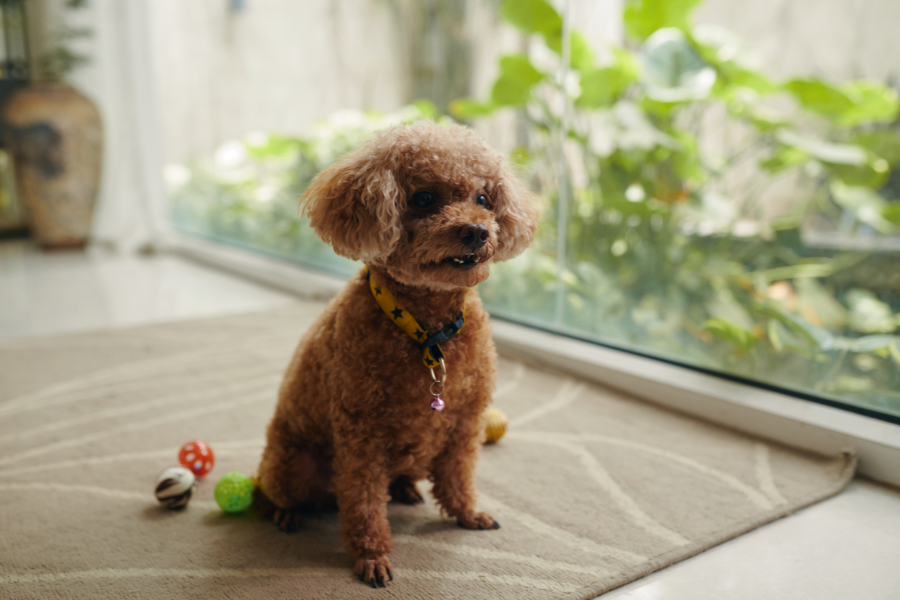
Training a dog is not always as simple as teaching a few commands and expecting consistent results. Some dogs learn quickly, while others may need more patience, repetition, motivation, and structure. Breed can influence trainability, but it is only one part of the picture. A dog’s age, personality, past experiences, environment, health, and the training methods used can all affect how easily they learn. At Lakewood Animal Hospital, Locust Grove, VA, pet owners can discuss behavioral or health concerns that may affect their dog’s ability to learn and respond to training. Below are 10 breeds that may be challenging to train and the traits that can make training more demanding.
Which Dog Breeds Can Be Harder to Train?
Some dog breeds may be more challenging to train because they are independent, highly energetic, easily distracted, strong-willed, or bred to make decisions without constant human direction. This does not mean these dogs are unintelligent or impossible to train. In many cases, they simply respond best to training that matches their natural instincts and motivation.
| Breed | Why Training May Be Challenging | What Can Help |
| Afghan Hound | Independent and easily distracted | Short, rewarding sessions |
| Basenji | Strong-willed and independent | Consistency and positive reinforcement |
| Chow Chow | Independent and reserved | Patient, calm training |
| Borzoi | Independent and prey-driven | Secure environment and motivation |
| Beagle | Strong scent drive | High-value rewards |
| Siberian Husky | Energetic and independent | Exercise and engaging training |
| Dachshund | Determined and easily distracted | Consistent routines |
| Shiba Inu | Independent and confident | Clear boundaries and rewards |
| Jack Russell Terrier | Highly energetic and focused | Mental and physical stimulation |
| Bloodhound | Strong scent drive | Patience and scent-based motivation |
Breed tendencies can provide clues, but every individual dog is different.
1. Afghan Hound
The Afghan Hound is known for its elegant appearance, athletic ability, and independent personality.
Afghan Hound specifications:
- Size: Large
- Energy level: Moderate to high
- Personality: Independent, sensitive, intelligent
- Coat: Long and flowing
- Training challenge: May lose interest in repetitive exercises
- Best approach: Short sessions with meaningful rewards
Afghan Hounds were developed for independent hunting, so they may not naturally look to people for direction every moment.
Training can become easier when sessions are interesting rather than repetitive.
2. Basenji
The Basenji is an intelligent breed with a reputation for independence.
Basenji specifications:
- Size: Small to medium
- Energy level: High
- Personality: Curious, independent, alert
- Coat: Short
- Training challenge: May choose whether a task is worth doing
- Best approach: Consistency, patience, and positive reinforcement
Basenjis can learn commands, but repetition without motivation may not hold their attention.
Helpful strategies include:
- Keeping sessions short
- Using rewarding treats
- Changing activities
- Practicing in low-distraction areas
- Rewarding desired behavior immediately
3. Chow Chow
The Chow Chow is often calm and reserved, but that does not necessarily make it easy to train.
Chow Chow specifications:
- Size: Medium to large
- Energy level: Low to moderate
- Personality: Independent, reserved, confident
- Coat: Dense
- Training challenge: May be less eager to repeat commands
- Best approach: Early socialization and consistent expectations
A Chow Chow may not respond well to harsh training methods.
Building trust and keeping expectations clear can help create better cooperation.
4. Borzoi
The Borzoi is an elegant sighthound known for speed, athleticism, and independence.
Borzoi specifications:
- Size: Large
- Energy level: Moderate to high
- Personality: Gentle, independent, observant
- Coat: Long
- Training challenge: Strong prey drive and independent nature
- Best approach: Positive reinforcement and safe environments
A moving animal can be far more interesting to a Borzoi than a training exercise.
Owners should prioritize:
- Secure fencing
- Controlled outdoor activities
- Reliable recall practice
- Reward-based training
- Appropriate exercise
5. Beagle
Beagles are friendly, curious, and highly motivated by their noses.
Their strong scent drive can make training challenging when an interesting smell captures their attention.
Beagle specifications:
- Size: Small to medium
- Energy level: Moderate to high
- Personality: Friendly, curious, determined
- Coat: Short
- Training challenge: Easily distracted by scents
- Best approach: High-value rewards and engaging sessions
A Beagle that suddenly stops responding during a walk may not be ignoring you out of stubbornness. Their nose may simply have found something more interesting.
6. Siberian Husky
The Siberian Husky is intelligent, energetic, social, and independent.
These traits can make training exciting, but also demanding.
Siberian Husky specifications:
- Size: Medium
- Energy level: Very high
- Personality: Playful, social, independent
- Coat: Thick double coat
- Training challenge: High energy and independent decision-making
- Best approach: Exercise, mental stimulation, and consistency
Huskies often benefit from:
- Daily physical activity
- Puzzle toys
- Short training sessions
- Variety
- Secure outdoor areas
- Consistent household rules
A bored Husky may create its own entertainment, which can include digging, escaping, or chewing.
7. Dachshund
The Dachshund may be small, but this breed can have a big personality.
Originally bred to pursue animals underground, Dachshunds can be determined and persistent.
Dachshund specifications:
- Size: Small
- Energy level: Moderate
- Personality: Confident, curious, determined
- Coat: Smooth, long, or wirehaired
- Training challenge: Independence and persistence
- Best approach: Consistency and positive reinforcement
House-training can be particularly frustrating for some Dachshund owners.
Avoid punishment. Instead, use predictable routines and reward appropriate behavior quickly.
8. Shiba Inu
The Shiba Inu is intelligent, alert, clean, and confident.
Its independence can make traditional obedience training more challenging.
Shiba Inu specifications:
- Size: Small to medium
- Energy level: Moderate to high
- Personality: Confident, independent, alert
- Coat: Short double coat
- Training challenge: Strong independence
- Best approach: Early socialization and consistent reward-based training
Shiba Inus may respond best when they understand that cooperating with their owner is rewarding.
Training should focus on:
- Clear expectations
- Short sessions
- Positive reinforcement
- Safe socialization
- Consistent boundaries
9. Jack Russell Terrier
The Jack Russell Terrier is energetic, intelligent, bold, and highly driven.
These traits can make the breed excellent at activities that involve movement and problem-solving, but they can also make everyday obedience challenging.
Jack Russell Terrier specifications:
- Size: Small
- Energy level: Very high
- Personality: Energetic, confident, curious
- Coat: Smooth, broken, or rough
- Training challenge: Easily bored and highly active
- Best approach: Mental stimulation and structured exercise
A Jack Russell may struggle with training if it does not receive enough physical and mental activity.
10. Bloodhound
Bloodhounds are famous for their exceptional sense of smell.
That incredible ability can become a challenge during training because following an interesting scent may take priority over responding to a command.
Bloodhound specifications:
- Size: Large
- Energy level: Moderate
- Personality: Gentle, determined, curious
- Coat: Short
- Training challenge: Strong scent drive
- Best approach: Patience, rewards, and controlled environments
Helpful training habits include:
- Using high-value rewards
- Practicing recall
- Starting in low-distraction environments
- Using secure leashes outdoors
- Gradually increasing distractions
Are These Dogs Actually Less Intelligent?
No. Being difficult to train does not mean a dog is unintelligent.
Trainability and intelligence are not exactly the same thing.
Some breeds were developed to work independently, follow scents, chase prey, guard property, or make decisions without waiting for human direction.
That history can influence how they respond to modern obedience training.
| Training Challenge | What It May Actually Mean |
| Ignores a command | Distracted or insufficiently motivated |
| Repeats unwanted behavior | Behavior is rewarding to the dog |
| Seems stubborn | Independent temperament |
| Loses focus | Session may be too long |
| Runs after animals | Strong prey drive |
| Follows smells | Strong scent drive |
Understanding the reason behind the behavior can make training more productive.
What Makes Training Easier for Challenging Breeds?
Regardless of breed, dogs usually benefit from training that is consistent, understandable, and rewarding.
Helpful strategies include:
- Keep sessions short.
- Use rewards your dog values.
- Practice every day.
- Start in quiet environments.
- Increase distractions gradually.
- Reward desired behavior immediately.
- Avoid harsh punishment.
- Give your dog enough exercise.
- Include mental stimulation.
- Make training part of everyday routines.
Consistency matters more than having one long training session every week.
Could a Health Problem Affect My Dog’s Training?
Yes. A sudden change in behavior should not automatically be blamed on stubbornness or breed temperament. Pain, hearing problems, vision changes, neurological conditions, anxiety, and other health concerns can affect how a dog responds.
Contact your veterinarian if your dog suddenly:
- Stops responding to familiar commands
- Becomes unusually irritable
- Seems confused
- Avoids interaction
- Develops new aggression
- Becomes unusually tired
- Shows signs of pain
- Changes in eating or drinking habits
A veterinary evaluation can help determine whether a medical issue may be contributing to the behavior.
Hypothetical Example: A Distracted Beagle
Imagine a young Beagle named Daisy whose owner becomes frustrated because she stops responding to recall commands during walks.
Instead of assuming Daisy is simply disobedient, the owner begins practicing recall indoors and in a fenced area, using a high-value reward whenever Daisy returns. As distractions are gradually increased, Daisy becomes more reliable.
This hypothetical example shows how understanding a breed’s natural instincts can help owners create a more effective training strategy.
How Can Owners Build Better Training Habits?
Training works best when it becomes part of everyday life.
Try incorporating training into:
- Meal preparation
- Walks
- Playtime
- Door routines
- Leash practice
- Greeting visitors
- Settling on a bed
- Handling exercises
Five minutes of focused practice several times a day can be more useful than one exhausting session. Your dog’s age and physical condition should also influence the amount and type of exercise.
Conclusion
Some dog breeds can be more challenging to train because of independence, high energy, strong scent or prey drives, or a natural tendency to make decisions on their own. Afghan Hounds, Basenjis, Chow Chows, Borzois, Beagles, Siberian Huskies, Dachshunds, Shiba Inus, Jack Russell Terriers, and Bloodhounds are examples of breeds that may require extra patience and a training approach suited to their natural traits. However, breed does not determine a dog’s potential. Consistent routines, positive reinforcement, appropriate exercise, mental stimulation, and understanding your dog’s individual personality can make training much more successful. If you are willing to take suggestions before adopting a dog from a veterinarian near you, then get in touch with Lakewood Animal Hospital at Locust Grove, VA, which can help in giving necessary suggestions about various dog breeds and their behavioural traits.
FAQs
Q1: What is the hardest dog breed to train?
A: There is no single hardest breed because individual temperament and training experience vary. Breeds known for independence, strong prey or scent drives, or high energy may require more patience.
Q2: Are difficult-to-train dogs less intelligent?
A: No. A dog may be intelligent while still being difficult to train in traditional obedience exercises. Independence, motivation, distractions, and breed history can all affect trainability.
Q3: How can I train a stubborn dog?
A: Use short, consistent sessions and rewards your dog values. Start with minimal distractions, reinforce desired behavior immediately, and gradually increase the difficulty.
Q4: Can health problems make a dog harder to train?
A: Yes. Pain, sensory changes, anxiety, and other medical concerns can affect behavior and responsiveness. A sudden behavior change should be discussed with a veterinarian.
Q5: When should I ask a veterinarian about my dog’s behavior?
A: Contact your veterinarian if your dog’s behavior changes suddenly, especially if the change occurs alongside pain, confusion, aggression, unusual tiredness, appetite changes, or other physical symptoms.
Trusted Pet Care & a Friendly Welcome for Every Pet
