
Hablamos Español
Water Safety for Dogs: Pools, Lakes & Oceans


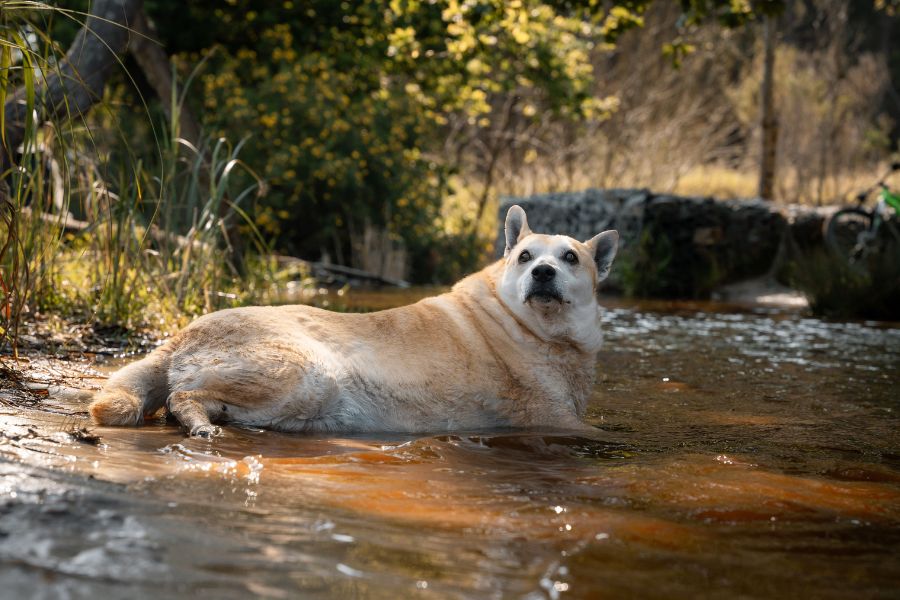
Spending time near the water is one of the best parts of warm weather. Whether it’s a backyard pool party, a peaceful afternoon at the lake, or a beach day along the coast, many dogs love splashing and swimming right alongside their families. While water activities can be fun and healthy, they also come with risks that pet owners should understand. From slippery pool decks to hidden lake hazards and strong ocean currents, water environments can present dangers if you’re not prepared. Knowing how to keep your dog safe can help prevent emergencies and ensure your outdoor adventures stay stress-free. It is believed that prevention is key when it comes to pet safety. Here’s what every dog owner should know about pool, lake, and ocean safety.
Why Water Safety Matters for Dogs?
Not all dogs are natural swimmers. While breeds like Labrador Retrievers may instinctively enjoy water, others can panic, tire quickly, or struggle to stay afloat. Even strong swimmers can become exhausted, disoriented, or injured.
Common water-related risks include:
- Drowning or near-drowning
- Water intoxication
- Heatstroke
- Cuts or injuries
- Exposure to bacteria or parasites
- Saltwater toxicity
Being proactive can significantly reduce these risks.
Pool Safety Tips for Dogs
Backyard pools are common in many Locust Grove neighborhoods, and while they offer great exercise for dogs, they require supervision and preparation.
1. Teach Your Dog How to Exit the Pool
One of the biggest risks in pools is exhaustion from not knowing where the steps are located. Dogs may swim in circles trying to find a way out.
- Show your dog where the steps are.
- Practice guiding them to the exit.
- Consider installing a pet pool ramp.
2. Never Leave Dogs Unattended
Even if your dog is a strong swimmer, supervision is critical. Accidents can happen quickly.
3. Rinse After Swimming
Chlorine can irritate your dog’s skin and eyes. After swimming:
- Rinse with fresh water.
- Dry ears thoroughly to prevent infections.
4. Secure the Pool Area
Install fencing or self-latching gates to prevent unsupervised access. This is especially important for curious puppies. If your dog shows signs of coughing, lethargy, or difficulty breathing after swimming, contact a trusted veterinary hospital in Locust Grove right away.
Lake Safety for Dogs
Virginia is home to many beautiful lakes and outdoor recreation spots. Lakes can be peaceful and fun, but they also carry hidden dangers.
1. Watch for Blue-Green Algae
Harmful algal blooms can produce toxins that are dangerous and sometimes fatal to dogs. The water may look:
- Bright green
- Like pea soup
- Covered in surface scum
If you notice any of these signs, keep your dog out of the water immediately. Symptoms of algae poisoning include vomiting, diarrhea, weakness, and seizures. Seek emergency veterinary care right away.
2. Avoid Stagnant Water
Still water can contain harmful bacteria and parasites, such as:
- Leptospirosis
- Giardia
Prevent your dog from drinking lake water. Always bring fresh water from home.
3. Check for Sharp Objects
Broken glass, fishing hooks, and rocks can cause cuts on paw pads. After swimming, inspect your dog’s paws and body.
4. Use a Life Jacket
Even confident swimmers can tire in large lakes. A properly fitted canine life jacket adds an extra layer of safety.
If your pet develops diarrhea, vomiting, or unusual fatigue after lake exposure, search for a reliable veterinarian for prompt evaluation.
Ocean Safety for Dogs
Beach days are exciting, but oceans present unique challenges.
1. Watch the Waves and Currents
Strong currents and rip tides can quickly overwhelm dogs. Keep your dog on a long leash if needed and avoid rough surf.
2. Prevent Saltwater Ingestion
Drinking too much saltwater can cause:
- Vomiting
- Diarrhea
- Dehydration
- Neurological symptoms
Offer fresh water frequently and discourage your dog from lapping ocean water.
3. Protect Against Heatstroke
Sand and sun can raise your dog’s body temperature quickly.
- Provide shade.
- Limit activity during peak heat.
- Watch for excessive panting or drooling.
4. Rinse After the Beach
Salt and sand can irritate skin and ears. Rinse thoroughly and dry ears well to prevent infections.
Understanding Water Intoxication
Water intoxication happens when a dog swallows too much water in a short time. This dilutes sodium levels and can become life-threatening.
Signs include:
- Bloating
- Lethargy
- Vomiting
- Loss of coordination
- Seizures
This condition can occur in pools, lakes, or oceans, especially during games of fetch in water. If you suspect water intoxication, seek emergency veterinary care immediately.
Ear Care After Swimming
Dogs with floppy ears are especially prone to ear infections after water exposure. Moisture creates the perfect environment for bacteria and yeast.
To reduce risk:
- Gently dry ears with a clean towel.
- Use a veterinarian-approved ear cleaner.
- Monitor for redness, odor, or scratching.
If you notice discharge or head shaking, schedule an appointment with a trusted veterinarian in Locust Grove, VA.
Senior Dogs and Puppies Around Water
Puppies may lack coordination, while senior dogs may tire quickly or have joint pain.
For extra protection:
- Use ramps for easy entry and exit.
- Limit swim time.
- Keep sessions short and supervised.
- Always use life jackets for vulnerable dogs.
Signs Your Dog Needs Immediate Veterinary Care
After water activities, monitor your pet closely.
- Persistent coughing
- Labored breathing
- Vomiting or diarrhea
- Extreme lethargy
- Seizures
- Pale gums
Quick treatment can make a significant difference.
Preparing for Safe Water Adventures
Before heading out:
- Bring fresh drinking water
- Pack a pet first-aid kit
- Use a well-fitted life jacket
- Check local water advisories
- Ensure vaccinations are up to date
Preventive care plays a big role in keeping your dog safe around water. Regular wellness visits help ensure your pet is healthy enough for swimming and outdoor activities.
At Lakewood Animal Hospital in Locust Grove, VA, we provide comprehensive veterinary care to keep your dog healthy year-round. If you’ve recently searched for a dependable veterinarian near you, our experienced team is here to help with wellness exams, vaccinations, parasite prevention, and emergency care. Water activities should be fun, not stressful. With the right preparation, supervision, and veterinary support, your dog can safely enjoy pools, lakes, and oceans throughout the year.
FAQs
1. Can all dogs swim naturally?
Ans: No, while some breeds are strong swimmers, others struggle due to body structure or fear of water. Always supervise and consider a life jacket.
2. How do I know if blue-green algae is present?
Ans: Look for water that appears bright green, thick, or scummy. If in doubt, keep your dog out and check local advisories.
3. Is chlorine harmful to dogs?
Ans: Small amounts are generally safe, but they can irritate the skin and eyes. Always rinse your dog after pool time.
4. What should I do if my dog drinks saltwater?
Ans: Offer fresh water immediately. If vomiting, diarrhea, or unusual behavior occurs, seek veterinary care.
5. How can I prevent ear infections after swimming?
Ans: Dry ears thoroughly and use a vet-approved ear cleaner. Monitor for redness or odor.
6. When should I contact a veterinarian after swimming?
Ans: If your dog shows breathing issues, vomiting, lethargy, seizures, or other unusual symptoms, contact a trusted veterinary professional right away.

Trusted Pet Care & a Friendly Welcome for Every Pet
