
Hablamos Español
Understanding the Role of Diagnostics in Cat Healthcare


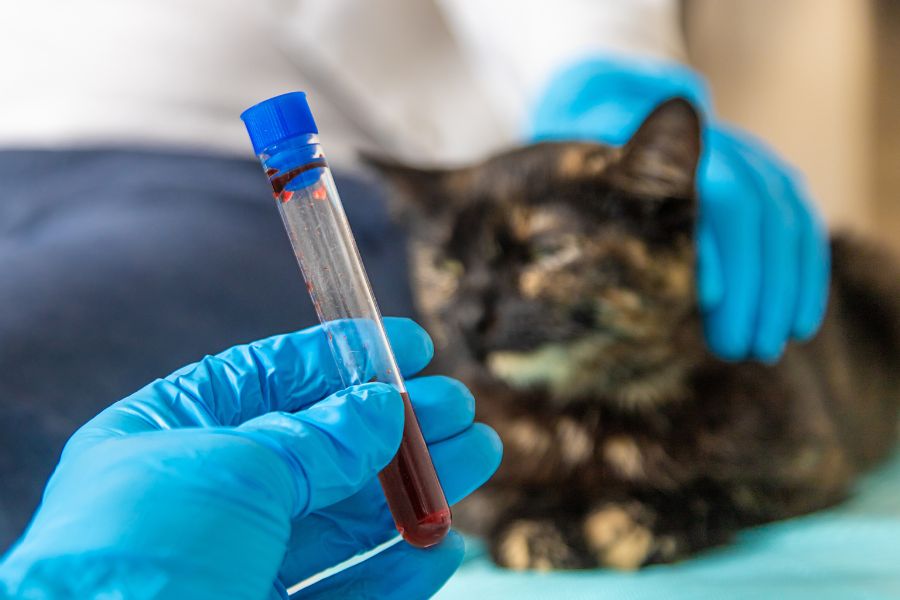
Cats are masters at hiding pain and illness, which makes regular diagnostics one of the most important parts of preventive veterinary care. From bloodwork to imaging, modern testing helps detect hidden health issues before they become serious. In this guide, you’ll learn how diagnostics support cat wellness, what common tests include, and why early detection can help your cat live a longer, healthier life.
What Are Diagnostics in Cat Healthcare
Diagnostics are medical tests and procedures used to evaluate your cat’s health. Since cats often show few signs of illness until a condition has progressed, diagnostic tools help veterinarians identify problems early.
These tests can confirm disease, monitor ongoing conditions, and guide treatment decisions. Diagnostics are used during wellness visits, when symptoms appear, before surgery, and for senior pet care.
Common reasons a veterinarian may recommend diagnostics include:
- Weight loss or poor appetite
- Vomiting or diarrhea
- Increased thirst or urination
- Lethargy or behavior changes
- Dental disease concerns
- Mobility issues
- Routine wellness screening
Why Diagnostics Matter for Cats
Cats are naturally private animals and often hide discomfort. By the time symptoms become obvious, a condition may already be advanced. This is why diagnostics play such a valuable role in feline medicine.
Early testing can help detect:
- Kidney disease
- Diabetes
- Hyperthyroidism
- Liver disease
- Urinary tract problems
- Dental infections
- Heart disease
- Arthritis
- Cancer
When problems are found early, treatment options are often simpler, more effective, and less costly.
Common Diagnostic Tests for Cats
Veterinarians use several tools depending on your cat’s age, symptoms, and medical history.
Blood Tests
Bloodwork is one of the most common forms of diagnostics. It gives insight into organ function, blood cell counts, hydration, infection, and hormone levels.
Blood testing may include:
- Complete blood count (CBC)
- Blood chemistry panel
- Thyroid testing
- Glucose testing
- Electrolyte evaluation
Bloodwork is especially important for senior cats and cats with chronic illness.
Urinalysis
A urine test helps assess kidney health, hydration, urinary infections, crystals, and diabetes. Cats with litter box changes, accidents outside the box, or increased urination often benefit from urinalysis.
Fecal Testing
Parasites are not always visible. Fecal exams help identify intestinal worms or protozoa that can affect digestion and overall health. This test is often recommended for kittens, outdoor cats, or cats with diarrhea.
X-Rays
Radiographs help veterinarians view bones, lungs, abdomen, bladder, and joints. X-rays are commonly used when diagnosing injuries, swallowed objects, arthritis, or internal changes.
Ultrasound
Ultrasound gives a real-time view of internal organs such as the liver, kidneys, intestines, and bladder. It is especially useful for evaluating soft tissue structures.
Dental Diagnostics
Dental disease is extremely common in cats. Oral exams and dental X-rays help detect painful tooth root infections, gum disease, and hidden damage below the gumline.
Diagnostics During Routine Wellness Visits
Many pet owners think testing is only needed when a cat is sick. In reality, preventive diagnostics are one of the best ways to protect long-term health.
Routine wellness testing can establish a healthy baseline, making it easier to spot subtle changes later.
Examples of wellness diagnostics:
- Annual bloodwork for adult cats
- Semiannual screenings for senior cats
- Fecal testing
- Urine screening
- Blood pressure checks
- Weight and body condition tracking
These screenings are particularly important because age-related diseases can begin quietly.
Senior Cats Need More Frequent Diagnostics
Cats age faster than many people realize. Around age 7 to 10, they are considered mature or senior depending on breed and health history.
Older cats are more likely to develop chronic conditions such as:
- Kidney disease
- Hyperthyroidism
- Arthritis
- Diabetes
- High blood pressure
- Heart disease
Routine diagnostics every 6 to 12 months can catch these issues early and improve quality of life. For example, a senior cat may seem normal at home but show early kidney changes on bloodwork. Detecting it early allows diet changes, hydration support, and monitoring before severe symptoms appear.
How Diagnostics Help When Your Cat Is Sick
When a cat becomes ill, symptoms can overlap. Vomiting, hiding, appetite loss, and lethargy can be linked to many different conditions. Instead of guessing, diagnostics help narrow down the true cause.
For instance:
- Vomiting may be caused by hairballs, pancreatitis, kidney disease, or intestinal issues
- Weight loss may point to diabetes, hyperthyroidism, cancer, or dental pain
- Increased thirst may suggest kidney disease or diabetes
- Limping may involve arthritis, injury, or nerve issues
Testing allows veterinarians to create a targeted treatment plan based on facts rather than trial and error.
Are Diagnostic Tests Safe for Cats
Most feline diagnostics are low-stress and very safe. Blood draws and urine collection are routine procedures. Imaging tests are non-invasive, and sedation is only used when necessary for comfort or accuracy.
Veterinary teams work hard to reduce stress through gentle handling, quiet spaces, and cat-friendly techniques.
You can help by:
- Bringing your cat in a secure carrier
- Using familiar bedding or towels
- Staying calm during the visit
- Asking about pre-visit calming options if your cat gets anxious
How Often Should Cats Have Diagnostics
The ideal schedule depends on age, lifestyle, and health status.
General guidelines include:
Kittens
- Fecal testing
- Screening for common infections
- Baseline wellness checks
Adult Cats
- Annual exams
- Bloodwork as recommended
- Parasite screening when needed
Senior Cats
- Exams every 6 months
- Routine blood and urine testing
- Blood pressure monitoring
- Imagine if symptoms arise
Indoor cats still need regular care, since many illnesses are unrelated to outdoor exposure.
What Pet Owners Should Watch For
Even with routine care, contact your veterinarian if you notice:
- Reduced appetite
- Drinking more water
- Hiding more often
- Weight changes
- Vomiting or diarrhea
- Difficulty jumping
- Bad breath
- Litter box changes
- Low energy
These signs often justify prompt diagnostics to identify the cause early.
Understanding the value of diagnostics in feline care can make a major difference in your cat’s health and comfort. Testing helps uncover hidden disease, supports faster treatment, and gives veterinarians the information needed to provide the best care possible. If you are residing in Locust Grove and its surrounding areas, like Spotsylvania, Fredericksburg, Rhoadesville, Unionville, and want to keep your cat healthy at every life stage, schedule a wellness visit with Lakewood Animal Hospital in Locust Grove, VA, today.
FAQs
Q1: Why are diagnostics important for cats?
Ans: Cats often hide illness, so diagnostics help detect health problems before visible symptoms appear. Early diagnosis usually leads to better treatment outcomes.
Q2: What diagnostics are commonly done during a cat wellness exam?
Ans: Common tests include bloodwork, urinalysis, fecal exams, blood pressure checks, and weight monitoring.
Q3: How often should senior cats have diagnostics?
Ans: Senior cats often benefit from exams and routine diagnostics every 6 to 12 months, depending on their health needs.
Q4: Are blood tests stressful for cats?
Ans: Most cats tolerate blood tests well when handled gently by trained veterinary staff. The procedure is quick and commonly performed.
Q5: Can diagnostics help if my cat seems normal?
Ans: Yes, many feline diseases develop silently, so routine diagnostics can reveal early problems even when your cat appears healthy.


Trusted Pet Care & a Friendly Welcome for Every Pet
