
Hablamos Español
The 3-3-3 Rule Every New Dog Owner Should Know


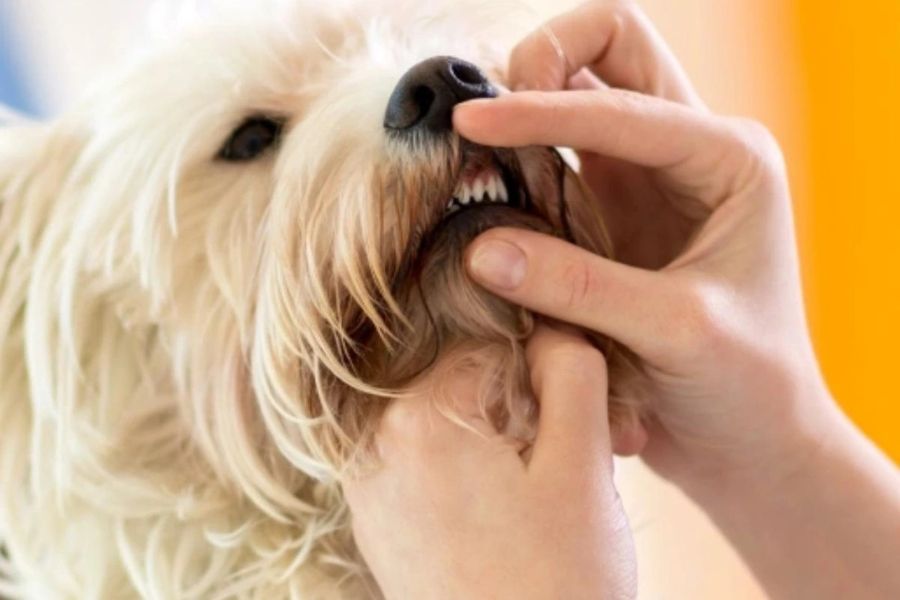
Bringing home a new dog is exciting, but it can also feel overwhelming. The 3-3-3 rule helps new dog owners understand what their pet is experiencing during the first days, weeks, and months in a new home. This guide explains the 3-3-3 rule, what to expect at each stage, and how to help your dog adjust smoothly and confidently.
What Is the 3-3-3 Rule for Dogs?
The 3-3-3 rule is a simple guideline that explains how dogs adjust after moving to a new home. It breaks the transition period into three phases:
- First 3 days: Decompression and adjustment
- First 3 weeks: Learning routines and building trust
- First 3 months: Feeling comfortable and fully settling in
This rule is especially helpful for adopted dogs, rescue dogs, and even puppies entering a new environment. Every dog is different, but the 3-3-3 rule provides a realistic timeline for behavior changes.
Understanding this adjustment period helps reduce frustration and allows you to support your dog with patience and consistency.
First 3 Days: The Decompression Phase
During the first three days, your new dog is processing a lot of change. Everything is unfamiliar, including:
- New smells
- New people
- New sounds
- New routine
Your dog may feel nervous, quiet, or even withdrawn. Some dogs hide, while others may seem overly excited or anxious.
Common Behaviors in the First 3 Days
You may notice:
- Loss of appetite
- Excessive sleeping
- Accidents in the house
- Hesitation to explore
- Fearful or shy behavior
These reactions are normal. Your dog is adjusting to their surroundings.
How to Help During the First 3 Days
Focus on creating a calm environment:
- Keep noise levels low
- Give your dog a designated safe space
- Avoid introducing too many new people
- Maintain a simple feeding schedule
- Allow your dog to approach you first
Avoid overwhelming your dog with too much attention. Give them time to observe and relax. Patience during this phase sets the foundation for trust.
First 3 Weeks: Building Trust and Routine
After the initial adjustment, your dog begins to feel safer. During this period, your dog starts learning:
- Household rules
- Daily schedule
- Feeding routine
- Walk times
- Sleeping arrangements
This is when personality traits begin to appear. Your dog may become more playful, curious, or affectionate.
Common Behaviors in the First 3 Weeks
You might notice:
- Increased energy levels
- Testing boundaries
- More interest in play
- Better appetite
- Beginning to bond with family members
Some dogs may also display behavioral challenges like chewing, barking, or jumping. This is normal as they learn what is allowed.
Tips for the First 3 Weeks
Establishing consistency is key:
- Set regular feeding times
- Maintain daily walks
- Start basic training
- Use positive reinforcement
- Introduce family members gradually
Basic commands like sit, stay, and come can be introduced gently during this stage. Keep training sessions short and positive. Consistency helps your dog understand expectations and feel secure.
First 3 Months: Full Adjustment Period
By the three-month mark, your dog typically feels comfortable in their new home. This is when the bond between you and your dog strengthens.
Your dog now understands:
- Their daily routine
- Where to sleep
- Where to eat
- Who their family is
- Household rules
What to Expect After 3 Months
At this stage, your dog may:
- Show full personality
- Become more confident
- Form stronger attachments
- Respond better to training
- Feel relaxed at home
Some dogs may still need extra time. The 3-3-3 rule is a guideline, not a strict timeline. Continue reinforcing good behavior and providing structure.
Why the 3-3-3 Rule Matters for New Dog Owners
Understanding the 3-3-3 rule helps prevent unrealistic expectations. Many new owners expect instant bonding, but adjustment takes time.
Benefits of following the 3-3-3 rule:
- Reduces stress for your dog
- Builds trust gradually
- Improves behavior outcomes
- Strengthens long-term bonding
- Encourages patience and consistency
Dogs that adjust slowly often become the most loyal companions. Giving them time helps create a strong relationship.
Tips to Help Your Dog Adjust Faster
While every dog adjusts differently, these tips can support the transition:
Create a Safe Space
Provide a quiet area with a bed, toys, and water. This gives your dog a place to relax.
Maintain a Routine
Dogs thrive on consistency. Feed, walk, and play at the same time each day.
Use Positive Reinforcement
Reward good behavior with treats, praise, or affection.
Avoid Overstimulation
Limit visitors and new experiences during the early stages.
Be Patient
Adjustment takes time. Avoid rushing your dog.
These steps make the 3-3-3 rule easier to follow and improve your dog’s confidence.
Common Mistakes New Dog Owners Should Avoid
Understanding what not to do is just as important.
Avoid these common mistakes:
- Introducing too many people at once
- Changing routines frequently
- Punishing fearful behavior
- Expecting immediate obedience
- Skipping vet visits
These mistakes can slow your dog’s adjustment process.
Instead, focus on calm, consistent, and supportive care.
How the 3-3-3 Rule Applies to Rescue Dogs vs Puppies
The 3-3-3 rule applies to both rescue dogs and puppies, but adjustments may differ.
Rescue Dogs
Rescue dogs may:
- Take longer to trust
- Have unknown backgrounds
- Show fear-based behaviors
- Need extra patience
Puppies
Puppies may:
- Adjust faster
- Show curiosity quickly
- Need more training
- Require socialization
Both benefit from structure, patience, and positive reinforcement.
Signs Your Dog Is Settling In Successfully
Look for these signs that your dog is adjusting well:
- Eating regularly
- Relaxed body language
- Wagging tail
- Playing comfortably
- Seeking affection
- Responding to commands
These behaviors show your dog feels safe and secure.
When to Contact a Veterinarian
Sometimes adjustment takes longer than expected. Consider contacting a veterinarian if your dog:
- Refuses food for several days
- Shows extreme anxiety
- Displays aggression
- Has ongoing accidents
- Appears lethargic
Professional guidance can help identify underlying issues and ensure a smooth transition.
The 3-3-3 rule helps new dog owners understand the emotional journey their pet experiences when entering a new home. By allowing time for decompression, building trust, and creating a stable routine, you set your dog up for long-term success. Patience, consistency, and understanding are key to helping your dog feel safe and confident. If you have questions about your new dog’s behavior or health, contact a trusted animal hospital like Lakewood Animal Hospital in Locust Grove, VA, to schedule an appointment and ensure your pet gets the best start.
FAQs
Q1: What is the 3-3-3 Rule for dogs?
Ans: The 3-3-3 rule explains the adjustment timeline for new dogs, including the first 3 days of decompression, 3 weeks of routine building, and 3 months of full adjustment.
Q2: Does the 3-3-3 Rule apply to puppies?
Ans: Yes, the 3-3-3 Rule applies to puppies, though they may adjust faster than adult or rescue dogs depending on their personality.
Q3: How long does it take for a rescue dog to adjust?
Ans: Most rescue dogs adjust within three months, but some may take longer depending on their background and temperament.
Q4: What should I do during the first 3 days with a new dog?
Ans: Keep the environment calm, avoid overstimulation, establish routines, and give your dog space to relax.
Q5: Is the 3-3-3 Rule guaranteed for every dog?
Ans: No, the 3-3-3 Rule is a general guideline. Some dogs may adjust faster or slower depending on their personality and history.


Trusted Pet Care & a Friendly Welcome for Every Pet
