Hablamos Español
Beyond Bad Breath: How Dental Issues Affect the Overall Health of Pets


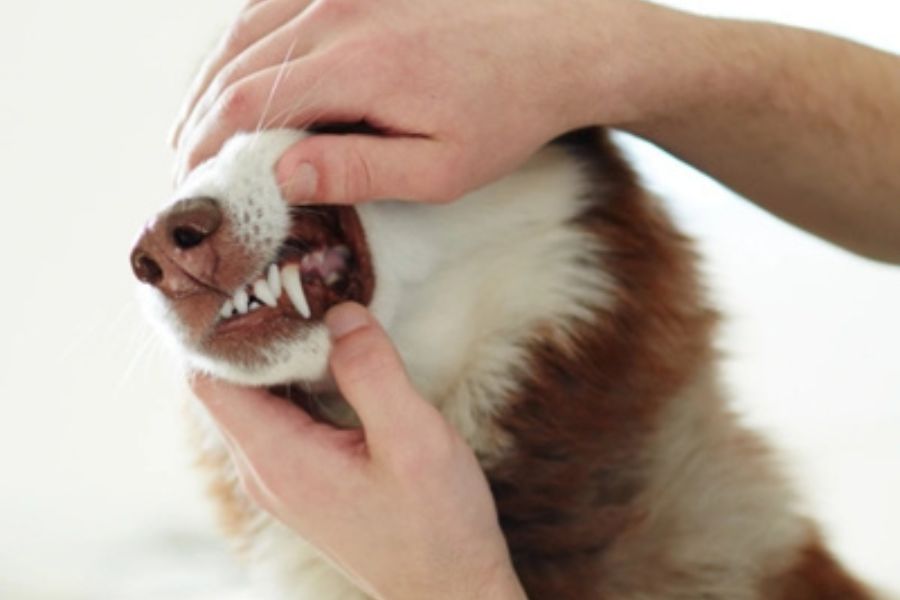
You notice it during cuddle time, your pet’s breath isn’t just unpleasant, it’s concerning. Many pet parents brush it off as normal, but oral health problems rarely stay confined to the mouth. Dental discomfort can quietly affect how your pet eats, plays, and even how their internal organs function. What starts as mild plaque can progress into pain, infection, and chronic disease if left untreated.
For families who consider pets full-fledged members of the household, understanding dental health is essential. In the early stages, issues are subtle: slower chewing, pawing at the mouth, or mood changes. Over time, bacteria from the gums can enter the bloodstream and impact the heart, liver, and kidneys. This is why proactive dental care isn’t cosmetic, it’s preventive medicine. Pet owners in the area deserve clear guidance, trustworthy care, and support from professionals who understand how deeply oral health connects to overall wellness.
What This Means for Your Pet’s Health
Dental disease is one of the most common yet overlooked medical conditions in pets. When plaque hardens into tartar, it irritates the gums and creates pockets where bacteria thrive. These bacteria don’t stay put. They can travel through the bloodstream, contributing to serious complications like heart valve infections and kidney inflammation.
Once oral disease reaches an advanced stage, pets may suffer chronic pain that alters behavior and appetite. Weight loss, digestive upset, and lowered immunity often follow. This is why services like pet dentistry in Locust Grove play a vital role in comprehensive veterinary care. Through professional cleanings, digital imaging, and thorough oral exams, veterinarians can identify problems early and protect more than just teeth.
Dental health also affects longevity. Studies consistently show that pets with well-managed oral care enjoy a better quality of life as they age. Addressing dental issues early reduces the need for invasive treatments later and helps avoid preventable systemic illness.
Key Benefits for Local Pet Owners
Investing in your pet’s dental care delivers benefits that extend far beyond fresh breath. Thoughtful, routine attention to oral health supports comfort, vitality, and peace of mind.
- Disease prevention: Early detection helps prevent infections from spreading to vital organs.
- Improved comfort: Healthy gums mean less pain and better chewing ability.
- Better nutrition: Pets can eat properly when their mouths aren’t sore.
- Long-term savings: Preventive care often avoids costly emergency procedures.
- Stronger bond: A healthier pet is more playful, engaged, and affectionate.
Many animal clinics and veterinary hospital teams emphasize dental care because they see firsthand how dramatically it improves a pet’s daily life. When oral health is prioritized, overall wellness naturally follows.
Practical Tips You Can Use at Home
While professional care is essential, daily habits at home make a real difference. Simple routines can slow plaque buildup and help you spot concerns early.
Start with regular tooth brushing using pet-safe toothpaste. Even brushing a few times a week can significantly reduce bacteria. Dental chews and toys designed to clean teeth can also help, especially for pets resistant to brushing.
Pay attention to subtle signs: red gums, drooling, reluctance to eat, or bad breath that worsens over time. These often signal the need for a veterinary visit. Pair home care with routine wellness exams at trusted animal hospitals to ensure nothing is missed.
Most importantly, don’t wait for visible pain. Dental disease progresses quietly. When in doubt, schedule a professional evaluation; early action is always kinder and more effective.
How Our Veterinary Team Supports the Community
A strong community depends on reliable, compassionate care for its animals. At Lakewood Animal Hospital, dental health is treated as a core part of preventive medicine, not an afterthought. Our experienced veterinarians combine advanced tools with a gentle, personalized approach tailored to each pet’s needs.
From thorough oral assessments to in-depth veterinary diagnostic services in locust grove services, such as dental X-rays, our team ensures hidden issues are identified before they become serious. We work closely with families, explaining findings clearly and recommending care plans that make sense for both pets and owners.
As a trusted veterinary hospital and partner to local animal clinics, we believe education is just as important as treatment. When pet parents understand why dental care matters, better outcomes naturally follow.
Dental health is about far more than avoiding bad breath; it’s about protecting your pet’s entire body from preventable disease. With professional support, consistent home care, and timely checkups, pets can stay comfortable, active, and healthy for years to come.
If you’ve noticed changes in your pet’s mouth or simply want peace of mind, now is the right time to act. Book an appointment with Lakewood Animal Hospital today and give your pet the comprehensive care they deserve through trusted pet dental care in Locust Grove.
FAQs
Q1: How often should my pet have a dental checkup?
Ans: Most pets benefit from an annual oral exam, though some may need more frequent evaluations depending on age and breed.
Q2: Is dental cleaning safe for older pets?
Ans: Yes, with proper pre-anesthetic screening and monitoring, dental procedures are routinely and safely performed on senior pets.
Q3: Can dental disease really affect internal organs?
Ans: Absolutely, oral bacteria can enter the bloodstream and contribute to heart, kidney, and liver problems if untreated.
Q4: Are at-home dental products enough on their own?
Ans: Home care is helpful, but cannot replace professional cleanings and exams performed by veterinarians.
Q5: What signs indicate my pet needs dental care?
Ans: Persistent bad breath, red gums, difficulty eating, or pawing at the mouth are common warning signs.
Q6: When should I schedule a professional evaluation?
Ans: If you notice any oral changes or if it’s been over a year since the last exam, schedule a visit with a qualified animal hospital in the community as soon as possible.


Trusted Pet Care & a Friendly Welcome for Every Pet
