
Hablamos Español
Inside Your Pet’s Health: The Role of Laboratory Testing in Vet Care


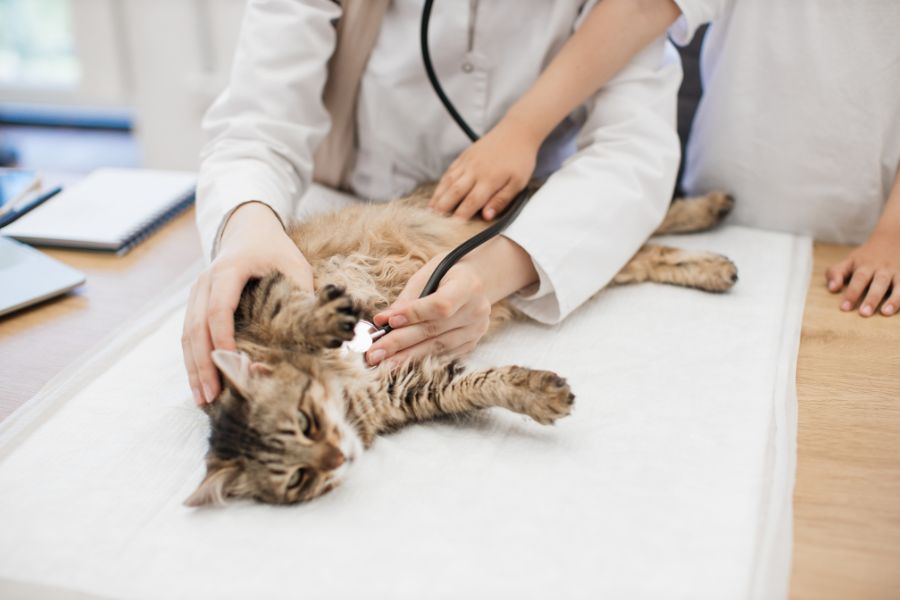
Pets can’t always tell us when something feels off. A subtle change in energy, appetite, or behavior may be the only clue that something deeper is happening inside their bodies. For pet owners in Locust Grove, VA, understanding how laboratory testing supports early detection and accurate treatment can make a lasting difference in their pet’s health and comfort. Veterinary diagnostic testing plays a quiet but powerful role in modern veterinary medicine. From routine wellness checks to diagnosing complex conditions, these tests help veterinarians see what the eye cannot. This behind-the-scenes insight allows animal hospitals and animal clinics to move from guesswork to informed, personalized care, giving pets the best chance at long, healthy lives.
What This Means for Your Pet’s Health
Laboratory testing provides essential information about how your pet’s organs, immune system, and internal processes are functioning. Blood tests, urine analysis, and fecal screenings can reveal early signs of disease long before symptoms become obvious at home. This proactive approach helps veterinarians intervene sooner, often preventing discomfort and more serious complications. When veterinary diagnostics are used thoughtfully, they support accurate diagnoses and safer treatment decisions. For example, lab results help determine whether a pet is healthy enough for anesthesia, if medication dosages need adjustment, or whether a condition is progressing or improving. Instead of waiting for visible illness, testing allows veterinarians to monitor trends and subtle changes over time. For aging pets, active animals, or those managing chronic conditions, laboratory testing becomes an essential tool in maintaining quality of life.
Key Benefits for Pet Owners
Routine lab work offers meaningful advantages for both pets and their families. These benefits go far beyond confirming illness—they help guide smarter, more compassionate care.
- Early disease detection: Identify concerns before they become serious or painful
- Targeted treatment plans: Results help veterinarians choose the most effective therapies
- Safer procedures: Pre-testing reduces risks during surgery or dental care
- Ongoing health monitoring: Track changes in pets with chronic or age-related conditions
- Greater peace of mind: Clear answers replace uncertainty and worry
Veterinarian hospitals and animal clinics rely on laboratory data to support confident decision-making, ensuring pets receive care tailored to their unique needs.
Practical Tips You Can Use at Home
While laboratory testing happens in a clinical setting, pet owners play an important role in supporting accurate results and ongoing health monitoring at home. Paying attention to everyday habits can help veterinarians determine when testing is needed and how results should be interpreted. Watch for changes in thirst, appetite, weight, energy level, or bathroom habits. Even small differences can signal internal shifts that deserve attention. Bring notes to your veterinary visits details about diet, medications, or recent behavior changes help animal hospitals create a complete health picture. Stick to recommended wellness schedules, even when your pet seems healthy. Diagnostic services for pets often catch issues before they cause noticeable symptoms. While home care is vital, professional testing at trusted animal clinics provides the clarity needed for proper medical guidance.
How Our Veterinary Team Supports the Community
Local veterinary teams serve as long-term health partners for pets and their families. Through consistent care, experienced professionals can recognize subtle changes that might otherwise go unnoticed. This continuity allows testing results to be compared over time, creating a clearer understanding of each pet’s baseline health.
At Lakewood Animal Hospital, laboratory services are integrated into personalized care plans designed around each pet’s lifestyle and life stage. By offering in-house testing and coordinated follow-up, the veterinary team ensures timely answers and responsive care. Through advanced pet diagnostics, pets benefit from accurate evaluations that guide treatment decisions with confidence and compassion. Animal hospitals and veterinary hospital teams also help pet owners understand test results in plain language, empowering families to make informed choices about their pet’s care.
Laboratory testing is one of the most valuable tools in modern veterinary medicine. It helps detect hidden issues, supports accurate diagnoses, and guides safer, more effective treatments. By incorporating regular testing into your pet’s wellness routine, you’re investing in early intervention, long-term comfort, and peace of mind.
If you have questions about your pet’s health or want to stay proactive, contact a trusted veterinary team. For pet owners in Locust Grove, VA, reliable animal hospitals and animal clinics are ready to provide the insight and care your pet deserves.
Frequently Asked Questions
How often should pets have laboratory testing?
Most pets benefit from annual testing, while senior pets or those with medical conditions may need testing every six months. Your veterinarian can recommend a schedule based on age and health history.
Is laboratory testing necessary if my pet seems healthy?
Yes. Many conditions develop internally before symptoms appear. Routine testing helps catch concerns early, when treatment is often simpler and more effective.
Are lab tests stressful for pets?
Most tests require only a small sample and are quick to perform. Veterinary teams are trained to minimize stress and keep pets comfortable throughout the process.
What types of laboratory tests are commonly performed for pets?
Common tests include blood panels, urinalysis, fecal exams, and thyroid or hormone screenings. These tests help evaluate organ function, detect infections, and monitor overall health.
How long does it take to receive lab test results?
Many in-house tests provide results the same day, while some tests may take a few days. Your veterinarian will explain timelines and next steps once results are available.
Can laboratory testing help manage chronic conditions in pets?
Yes. Regular testing allows veterinarians to monitor disease progression, adjust medications, and ensure treatments remain safe and effective over time.


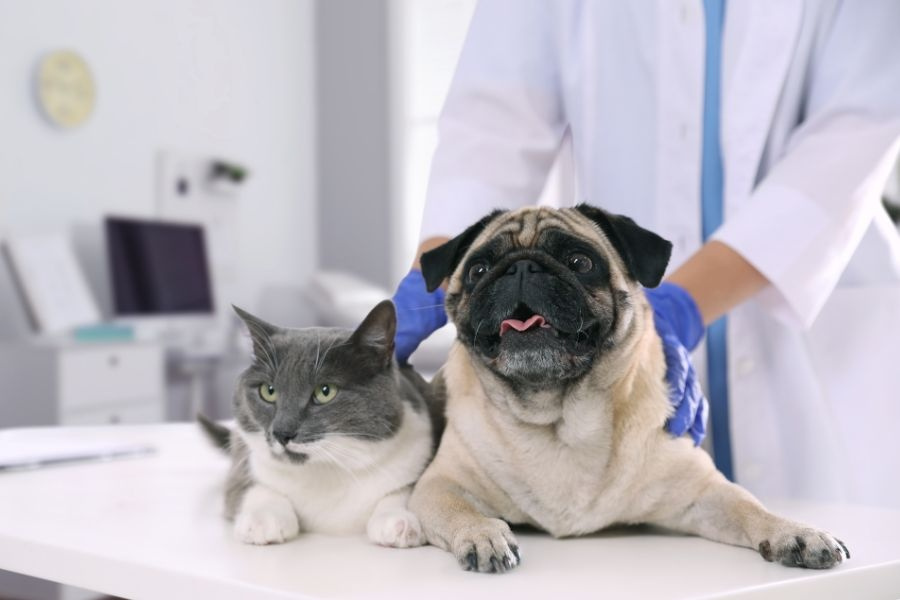
Trusted Pet Care & a Friendly Welcome for Every Pet
