
Hablamos Español
Winter Home Safety Tips for Cats and Dogs


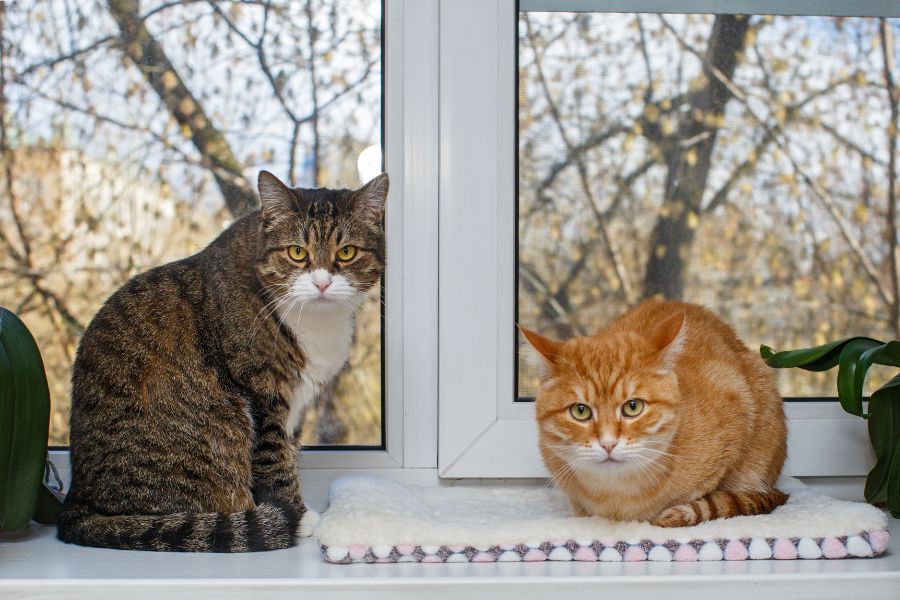
Winter can be cozy indoors, yet hidden hazards tend to multiply for cats and dogs when temperatures drop. Consequently, a few smart adjustments can be made so comfort is increased and risk is reduced. The guidance below has been organized to help a safer, warmer season be enjoyed by every four-legged family member—without sacrificing peace of mind.
Keep the indoor climate steady and safe
A stable environment is essential in cold weather.
- Thermostats should be kept consistent (generally 68–72°F), and drafts should be sealed. Moreover, beds should be positioned away from exterior doors and cold windows.
- Thick, washable bedding should be provided, and elevated resting spots should be offered so chilly floors are avoided.
- Space heaters should be secured with tip-over protection, kept behind pet-proof barriers, and turned off when unattended. Additionally, cords should be kept out of reach to prevent chewing.
- Fireplaces should be guarded with secure screens so that embers and hot surfaces are not reached.
Prioritize air quality and carbon monoxide safety
In winter, air quality is often overlooked, yet it can be safeguarded with simple steps.
- Carbon monoxide detectors should be installed on every level of the home and tested monthly; batteries should be replaced on schedule.
- Fuel-burning appliances should be serviced, and proper ventilation should be ensured. Therefore, idling cars should never be left running in attached garages, since fumes can be drawn indoors.
- Indoor humidity should be kept around 30–50%. As a result, dry skin and static shocks may be reduced. Humidifiers should be cleaned regularly to prevent mold.
Practice gentle winter grooming and skin care
Cold air and indoor heat can be tough on skin and coats.
- Overbathing should be avoided, and mild, moisturizing shampoos should be chosen when baths are needed. A conditioner or rinse can be used to lock in moisture.
- Regular brushing should be maintained so natural oils are distributed and mats are prevented. Furthermore, long coats can be trimmed for neatness, but heavy shaving during winter should be avoided.
- Paw pads should be protected with a pet-safe balm if dryness or cracking is noticed. Nails should be kept trimmed to improve traction on smooth floors.
Create a paw-care station by the door
Winter residue is easily tracked inside, so a routine should be built.
- A mat, towels, and a shallow bowl of warm water can be kept by entryways. After outdoor time, paws should be gently rinsed and dried to remove salt or ice-melt residues.
- If any redness, limping, or irritation is observed, a rest day should be given, and the area should be monitored. Consequently, more serious injuries may be prevented.
Handle heating and electrical hazards wisely
Because fires and burns are more common in cold months, extra caution is warranted.
- Candles and wax warmers should be placed out of reach, and flames should never be left unattended. Battery-operated candles can be used as a safer alternative.
- Electrical cords should be secured along walls, covered with cord protectors, or stored behind furniture to reduce chewing risks. Additionally, outlets should be fitted with safety covers where appropriate.
- Portable radiators should be surrounded by barriers, and hot surfaces should be blocked from curious noses and tails.
Protect against household and holiday toxins
More time indoors can mean more exposure to harmful items.
- Antifreeze (ethylene glycol) should be stored tightly sealed; spills should be cleaned immediately, as even small amounts are dangerous if ingested.
- Seasonal plants and décor should be reviewed; for instance, certain plants and string decorations can pose toxic or obstruction risks if chewed. Consequently, display heights should be chosen with pets in mind.
- Essential oil diffusers and potpourri should be used cautiously or avoided, as sensitivities can occur, especially in cats.
Support hydration and nutrition
Cold weather can subtly change needs.
- Fresh water should be available in multiple rooms and refreshed often. Bowls should be checked to ensure film and dust are not accumulating in drier air.
- Food should be served at room temperature rather than straight from the fridge, so aromas are released and digestion is eased. Meanwhile, sudden diet changes should be avoided unless advised by a pet care professional.
- Body condition should be watched weekly. If weight loss or gain is noticed, portions should be adjusted gradually, and a plan should be discussed with a trusted care provider.
Enrichment and exercise should be kept consistent
When outdoor activity is limited, energy needs an outlet indoors.
- Daily play sessions should be scheduled. Wand toys, chase games, and soft fetch can be rotated to keep interest high.
- Puzzle feeders and slow bowls should be introduced to extend mealtime and reduce boredom. In addition, simple scent games can be set up using hidden treats.
- Safe climbing perches for cats and non-slip runners for dogs can be added to encourage healthy movement without increasing slip risks.
Make the home slip-resistant and senior-friendly
Colder joints can be supported with small home tweaks.
- Area rugs and non-slip mats should be placed on slick floors, especially near stairs and water bowls.
- Orthopedic beds should be provided, and warm, draft-free corners should be chosen for resting spots. Ramps or steps can be added near couches and beds to reduce jumping.
- Medications and supplements should be stored securely, and schedules should be followed consistently; reminders can be set to prevent missed doses.
Prepare for outages and emergencies
Winter storms can arrive quickly, so readiness is essential.
- A pet-specific emergency kit should be assembled, including a week’s supply of food, water, medications, a spare leash, waste bags, a blanket, and copies of identification details.
- Microchip information and tags should be confirmed as up to date. Additionally, recent photos should be saved in case a lost-pet alert must be made.
- A safe, quiet room should be designated during extreme weather, with familiar bedding and toys to lower stress.
When extra guidance is needed
Every home and pet is different, so tailored advice can be helpful. For personalized recommendations, a Locust Grove veterinarian can be consulted about climate control, nutrition, skin care, and emergency planning that fit your household.

Trusted Pet Care & a Friendly Welcome for Every Pet
