
Hablamos Español
Puppies and Grass Chewing: What You Should Know


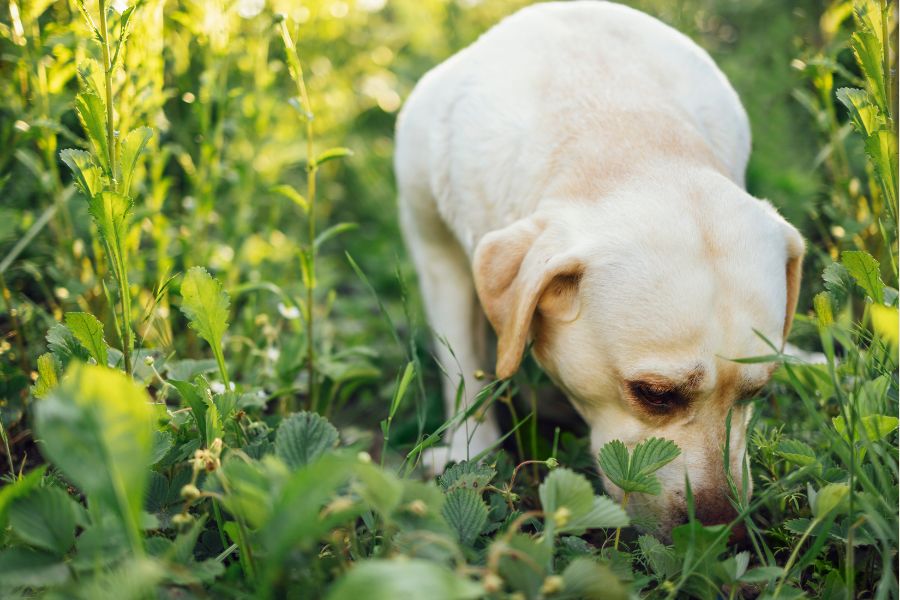
Watching your playful puppy explore the world is always a delight, but when you see those tiny teeth nibbling on grass, curiosity and concern often follow.
Why do puppies chew grass? Is it harmful? Should you intervene? This blog dives deep into the fascinating world of puppy grass chewing, providing you with insights and expert guidance.
The Green Mystery: Why Are Puppies So Drawn to Grass?
Puppies are naturally inquisitive explorers, and their mouth serves as their primary tool for discovery. Chewing on grass often isn’t just a random act but a natural way puppies learn about their environment. Moreover, the texture and fresh taste of grass, especially in spring or summer, can be intriguing and enjoyable for them.
Interestingly, grass chewing is more common among younger dogs, suggesting it’s often a phase linked to learning and exploration. But this behavior isn’t purely recreational; it can have several underlying reasons.
Beyond Curiosity: Practical Reasons Behind Grass Chewing
1. Seeking Digestive Relief
Sometimes, puppies munch on grass to soothe an upset stomach. Grass can act as a mild emetic, helping some dogs induce vomiting to relieve nausea. However, frequent vomiting is a signal that you should consult a professional.
2. Fiber Craving: Filling the Nutritional Gap
Grass contains fiber, an essential component for healthy digestion. Puppies may turn to grass if their diet lacks adequate fiber. To ensure your puppy’s digestive needs are met, opt for fiber-rich foods or discuss supplements with your veterinarian.
3. Boredom and Anxiety
Just like humans might bite their nails when stressed, puppies may chew grass out of boredom or nervousness. Providing ample physical activity, mental stimulation, and affection can reduce this behavior.
4. Instinctive Behavior
Dogs descend from wild ancestors who occasionally ingested plants. This instinct might explain why even well-fed dogs exhibit grass-eating tendencies—it’s an inherited behavior that served survival purposes.
When Grass Chewing Signals Trouble
While occasional grass eating is generally harmless, be vigilant. If your puppy shows signs of lethargy, vomiting, diarrhea, or loss of appetite alongside grass chewing, it may indicate underlying health issues such as gastrointestinal discomfort or parasites. In these situations, timely veterinary care is crucial.
Remember, regular grass chewing can sometimes expose puppies to pesticides, fertilizers, or harmful plants. Always supervise outdoor time and ensure your yard is safe.
How to Manage and Discourage Excessive Grass Chewing
If your puppy’s grass chewing becomes obsessive, increasing playtime and engaging toys can help divert their attention. Enriching their environment reduces anxiety-driven behaviors. Also, consult your veterinary clinic in Locust Grove, VA, for tailored advice and health checks to rule out medical causes.
Puppy grass chewing is often a harmless, natural curiosity, but can sometimes signal health or behavioral issues. By understanding the reasons behind this behavior and providing healthy outlets, you ensure your puppy grows happy and well-adjusted. For personalized care or concerns, trust your local veterinary clinic to guide you with expert advice tailored to your puppy’s needs.
FAQs( Frequently Asked Question)
1. What Does It Mean When Dogs Eat Grass?
A: Grass eating can be a normal behavior linked to curiosity, a need for fiber, or an instinctual habit. It is not necessarily a sign of illness but can occasionally indicate digestive discomfort or boredom.
2. Should You Let Your Dog Eat Grass?
A: Moderate grass eating is typically safe for dogs. However, allowing unlimited access isn’t advisable due to potential ingestion of pesticides or toxins. If your dog frequently vomits after eating grass, seek veterinary advice.
3. Is Grass Eating a Sign of Nutritional Deficiency in Dogs?
A: Sometimes, dogs eat grass to compensate for a dietary fiber deficiency. Ensuring a balanced diet with sufficient fiber can reduce this behavior.
4. Do Dogs Eat Grass When They Are Sick?
A: Some dogs may eat grass to relieve an upset stomach or induce vomiting when feeling nauseous. Nonetheless, most dogs that eat grass are not sick, but persistent symptoms warrant veterinary evaluation.


Trusted Pet Care & a Friendly Welcome for Every Pet
