
Hablamos Español
X-Rays, Ultrasounds & More: Inside Your Dog’s Diagnostic Exam


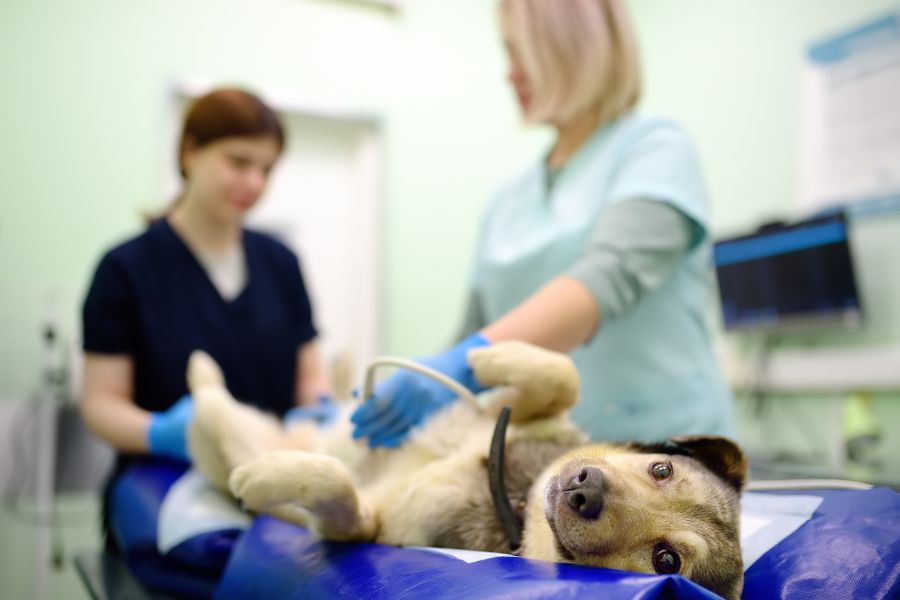
When your dog isn’t feeling well, it can be hard to know what’s going on. Dogs can’t tell us where it hurts, and many symptoms, like tiredness, vomiting, limping, or changes in appetite, can mean several different things.
Tools like X-rays, ultrasounds, and lab tests help veterinarians look more deeply and find answers faster. These tests are safe, commonly used, and often the key to catching health issues early. In this blog, we’ll walk through what happens during a diagnostic exam, what these tests show, and how they support better care for your dog.
What Is a Dog Diagnostic Exam?
A diagnostic exam is more than just a regular checkup. It’s a detailed medical evaluation used when your veterinarian needs more information about your dog’s health.
A diagnostic visit may include:
- A full physical exam
- Bloodwork and lab testing
- Digital X-rays
- Ultrasound imaging
- Parasite screening
- Additional tests, if needed
These tools allow vets to see what’s happening inside your dog’s body, not just what’s visible on the outside.
When Does a Dog Need Diagnostic Testing?
Your veterinarian may recommend diagnostic care if your dog shows signs such as:
- Ongoing vomiting or diarrhea
- Sudden weight loss
- Trouble breathing or coughing
- Limping or difficulty moving
- Loss of appetite
- Frequent urination or accidents
- Abdominal swelling or pain
- Unexplained fatigue
Even subtle changes can signal something more serious.
Dog X-Rays: What They Reveal
X-rays (also called radiographs) are one of the most common diagnostic tools in veterinary medicine.
What X-rays Are Used For
X-rays provide clear images of dense structures like bones and some organs. They are often used to diagnose:
- Broken bones or joint injuries
- Arthritis
- Chest issues like pneumonia
- Heart enlargement
- Swallowed objects
- Tumors or abnormal growths
What to Expect
X-rays are quick and painless, your dog may need gentle positioning, and sometimes mild sedation is used if they are anxious or in pain. Digital X-rays allow results to be reviewed almost immediately, helping your vet make fast decisions about treatment.
Ultrasound: A Closer Look Inside
Ultrasound is another powerful tool used in dog diagnostic care. Unlike X-rays, ultrasound is best for viewing soft tissues and organs in real time.
What Ultrasounds Can Detect
Veterinary ultrasounds are commonly used to evaluate:
- Liver and kidney problems
- Bladder stones
- Pregnancy
- Tumors or fluid buildup
- Digestive tract issues
- Heart conditions (with echocardiograms)
Why Ultrasound Is Helpful
Ultrasound gives a moving picture of organs, helping vets see blood flow, tissue changes, and abnormalities that may not show up on X-rays.
For many families looking for advanced dog diagnostic care in Locust Grove, an ultrasound offers answers without surgery.
Lab Testing: The Hidden Clues in Blood and Urine
Some of the most important diagnostic information comes from lab work.
Common Tests Include:
Bloodwork
Blood tests help evaluate:
- Organ function
- Infection or inflammation
- Anemia
- Diabetes
- Immune system health
Urinalysis
Urine testing checks for:
- Kidney disease
- Urinary tract infections
- Diabetes-related issues
- Dehydration
Fecal Exams
Fecal testing detects:
- Intestinal parasites
- Giardia
- Digestive infections
Lab tests often catch problems early, sometimes before symptoms become severe.
Advanced Diagnostics: What Else Might Be Needed?
In some cases, additional diagnostic tools may be recommended, such as:
- Allergy testing
- Hormone testing (thyroid, cortisol)
- Biopsies or tissue samples
- CT scans or MRI (via referral)
- Cardiac testing for heart disease
Why Diagnostic Exams Matter for Early Treatment
Diagnostic imaging and lab work help veterinarians:
- Confirm a diagnosis
- Rule out serious conditions
- Start treatment sooner
- Avoid unnecessary medications
- Monitor chronic illnesses
- Improve long-term outcomes
When pet parents search for necessary dog care because their dog isn’t acting normal, diagnostics are often the fastest path to answers and relief.
How to Prepare for Your Dog’s Diagnostic Visit
Here are a few simple ways to help your appointment go smoothly:
- Write down symptoms and when they started
- Bring a list of medications or supplements
- Ask if fasting is needed before bloodwork or an ultrasound
- Keep your dog calm with a leash or carrier
- Share any recent changes in behavior or diet
The more information you provide, the more accurate your dog’s diagnostic care will be.
Trusted Dog Diagnostic Care in Locust Grove, VA
Having access to modern diagnostic tools close to home makes a big difference when your dog needs medical support. At Lakewood Animal Hospital in Locust Grove, VA, our team provides thorough dog diagnostic care using advanced imaging, in-house lab testing, and compassionate care to help your dog feel better faster. If you’ve been searching for a reliable “vet near me”, Lakewood Animal Hospital is here to guide you through every step from the first symptom to the right treatment plan.
FAQs
1. Are X-rays safe for dogs?
Ans: Yes, veterinary X-rays use low radiation levels and are considered very safe, especially when used only when medically necessary.
2. What is the difference between an X-ray and an ultrasound?
Ans: X-rays are best for bones and chest imaging, while ultrasounds are better for soft organs like the liver, kidneys, and bladder.
3. Does my dog need sedation for imaging?
Ans: Not always, some dogs stay still without sedation, but mild sedation may be recommended if your dog is anxious or uncomfortable.
4. How long does a diagnostic exam take?
Ans: Most exams take 30–60 minutes, depending on the tests needed. Some lab results are available the same day.
5. Can diagnostics detect cancer in dogs?
Ans: Diagnostics can identify abnormal masses or organ changes, but biopsies or further testing may be needed for confirmation.
6. When should I schedule diagnostic testing for my dog?
Ans: Anytime your dog shows ongoing symptoms like vomiting, limping, fatigue, or appetite changes, it’s best to schedule an exam promptly.
Related Articles
Trusted Pet Care & a Friendly Welcome for Every Pet
