
Hablamos Español
Common Dog Mobility Issues Every Pet Owner Should Know


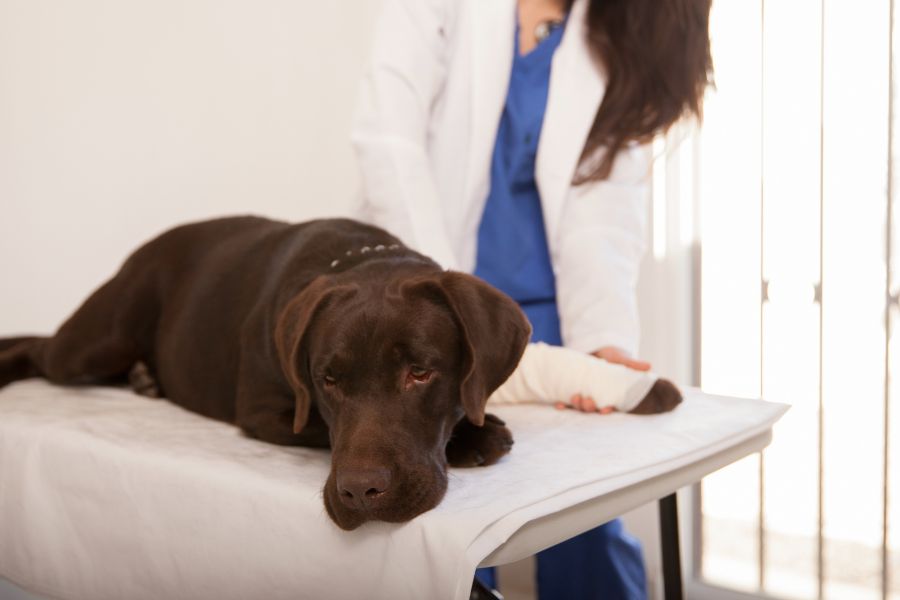
As dogs age, recover from injuries, or develop chronic health conditions, movement can become more difficult. Dog mobility problems can affect walking, climbing stairs, getting up from rest, or enjoying normal playtime. Recognizing early signs of stiffness or weakness can help you get treatment sooner and improve your dog’s comfort.
In this guide, we’ll cover the most common dog mobility issues, warning signs to watch for, treatment options, and ways to support your pet at home. Understanding these concerns can help your dog stay active, safe, and happy for longer.
What Is Dog Mobility and Why Does It Matter
Dog mobility refers to your pet’s ability to move comfortably and normally. Healthy mobility allows dogs to walk, run, jump, sit, stand, and change positions without pain.
When mobility declines, dogs may struggle with daily tasks such as:
- Standing after lying down
- Jumping into the car
- Walking long distances
- Climbing stairs
- Playing with family members
- Going outside for bathroom breaks
Mobility issues often develop gradually, which means pet owners may miss subtle warning signs at first.
Arthritis, A Leading Cause of Dog Mobility Problems
Arthritis is one of the most common reasons dogs lose mobility, especially in seniors. It happens when joints become inflamed and painful over time.
Signs of Arthritis in Dogs
- Limping after exercise
- Difficulty rising from bed
- Stiffness in the morning
- Slower walks
- Reluctance to jump or climb stairs
- Irritability when touched near joints
Large breeds, overweight dogs, and older pets are more likely to develop arthritis.
How It Is Managed
Treatment may include:
- Weight management
- Joint supplements
- Anti-inflammatory medication
- Low-impact exercise
- Physical therapy
- Comfortable orthopedic bedding
Early care can greatly improve the quality of life.
Hip Dysplasia and Dog Mobility Challenges
Hip dysplasia is a condition where the hip joint does not fit together properly. This creates looseness, pain, and long-term joint damage.
It is common in larger breeds such as Labrador Retrievers, German Shepherds, and Golden Retrievers, but any dog can be affected.
Symptoms to Watch For
- Bunny hopping while running
- Trouble standing up
- Reduced interest in walks
- Swaying gait
- Muscle loss in the rear legs
- Pain after activity
Treatment Options
Depending on severity, treatment may involve exercise control, pain management, rehabilitation, or surgery.
Intervertebral Disc Disease (IVDD)
IVDD affects the discs between the bones of the spine. When a disc bulges or ruptures, it can press on the spinal cord and nerves.
This condition is common in long-backed breeds like Dachshunds, Beagles, and Corgis.
Common Signs
- Sudden pain
- Shaking or crying out
- Weakness in the legs
- Dragging paws
- Trouble walking
- Paralysis in severe cases
IVDD can become an emergency. Immediate veterinary care is important if symptoms appear suddenly.
Cruciate Ligament Injuries
A torn cranial cruciate ligament, similar to an ACL injury in people, is a frequent cause of hind leg limping.
Dogs with this injury may:
- Hold one rear leg up
- Limp after exercise
- Sit awkwardly
- Avoid running
- Show swelling around the knee
Some dogs need surgery, while others may improve with strict rest, rehab, and medical management.
Degenerative Myelopathy
Degenerative myelopathy is a progressive spinal cord disease that often affects older dogs. It usually begins with weakness in the back legs and worsens over time.
Early Signs
- Wobbling while walking
- Knuckling paws
- Dragging toenails
- Crossing back legs
- Trouble standing
Although there is no cure, supportive therapy and mobility aids may help maintain independence.
Obesity and Reduced Dog Mobility
Extra weight places added stress on joints, muscles, and ligaments. Even a few extra pounds can worsen arthritis and reduce stamina.
Why Weight Matters
Overweight dogs often show:
- Slower movement
- Heavy panting
- Less interest in play
- Joint pain
- Difficulty climbing stairs
Healthy weight loss is one of the most effective ways to improve a dog’s mobility.
How to Spot Early Mobility Problems at Home
Many owners assume slowing down is “just aging,” but mobility loss often signals treatable pain.
Watch for these subtle changes:
- Sleeping more than usual
- Hesitating before stairs
- Lagging on walks
- Slipping on floors
- Needing help getting into the car
- Licking joints
- Choosing rest over play
If these changes continue for more than a few days, schedule an exam.
Ways to Support Dog Mobility at Home
You can make life easier for a dog with movement issues by adjusting the home environment.
Helpful Tips
- Use rugs or runners on slippery floors
- Provide ramps for cars or furniture
- Keep nails trimmed for traction
- Use raised food bowls if recommended
- Offer soft orthopedic beds
- Keep exercise gentle and regular
- Maintain a healthy weight
Small changes can reduce strain and prevent falls.
When to See a Veterinarian
Contact your veterinarian if your dog has:
- Sudden limping
- Trouble standing
- Crying in pain
- Dragging legs
- Swollen joints
- Refusal to walk
- Worsening stiffness
Fast treatment can prevent more damage and keep your dog comfortable.
Common mobility issues such as arthritis, hip dysplasia, ligament injuries, and spinal disease can greatly affect your dog’s daily life. The good news is that early dog pain management and the right care plan can improve movement, comfort, and happiness. If your dog is slowing down or showing signs of pain, contact Lakewood Animal Hospital in Locust Grove, VA, to schedule an evaluation and help your pet move better again.
FAQs
Q1: What are the first signs of dog mobility problems?
Ans: Early signs include stiffness, slower walks, hesitation on stairs, limping, and trouble standing after rest.
Q2: Can dog mobility improve with treatment?
Ans: Yes, many dogs improve with weight loss, medication, rehab therapy, supplements, and lifestyle changes.
Q3: Is arthritis common in older dogs?
Ans: Yes, arthritis is one of the most common causes of pain and reduced mobility in senior dogs.
Q4: How can I help my dog with weak back legs?
Ans: Use rugs for traction, keep weight healthy, provide support harnesses, and see your veterinarian for diagnosis.
Q5: When should I worry about sudden mobility loss in dogs?
Ans: Sudden limping, collapse, dragging legs, or inability to stand should be treated as urgent and examined right away.


Trusted Pet Care & a Friendly Welcome for Every Pet
