
Hablamos Español
How Much Water Should My Pet Drink in Summer? A Vet’s Guide to Hydration


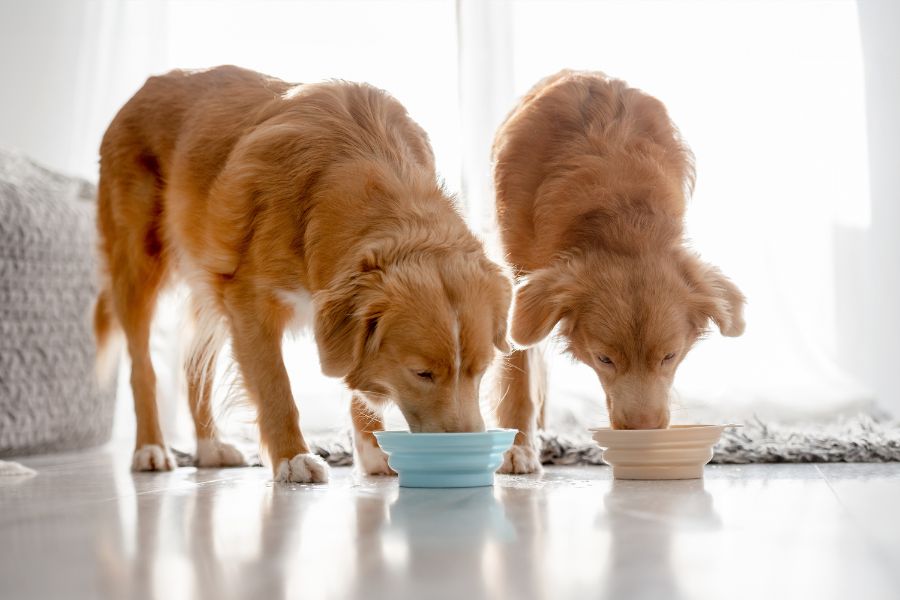
Hot summer weather can quickly lead to dehydration in pets, especially when temperatures rise and outdoor activity increases. Many pet owners wonder how much water their dog or cat should actually drink during the warmer months and what signs may point to a hydration problem.
In this guide, you’ll learn how much water pets typically need in summer, what factors affect hydration, common warning signs of dehydration, and practical tips to help your pet stay healthy and cool. Understanding proper pet hydration can help prevent serious heat-related illnesses and keep your furry companion comfortable all season long.
Why Hydration Matters for Pets During Summer?
Water plays a major role in your pet’s overall health. It helps regulate body temperature, supports digestion, cushions joints, and keeps organs functioning properly. During summer, pets lose more fluids through panting, breathing, and activity, which increases their need for water.
Unlike humans, dogs and cats cannot sweat efficiently to cool themselves down. Dogs primarily cool off by panting, while cats rely on grooming and limited sweating through their paw pads. This means dehydration can happen faster than many pet owners realize.
Even mild dehydration can lead to:
- Low energy
- Dry gums
- Overheating
- Poor appetite
- Digestive issues
Severe dehydration can become a medical emergency if left untreated.
How Much Water Should Dogs Drink in Summer?
A general rule is that healthy dogs need about 1 ounce of water per pound of body weight daily. During hot summer weather, active dogs may need even more.
Here’s a simple guideline:
| Dog Weight | Daily Water Intake |
|---|---|
| 10 pounds | About 10 ounces |
| 25 pounds | About 25 ounces |
| 50 pounds | About 50 ounces |
| 75 pounds | About 75 ounces |
Several factors can increase your dog’s water needs:
Activity Level
Dogs that run, hike, or play outdoors lose more fluids and require extra hydration.
Diet
Dogs eating dry kibble usually drink more water than dogs eating canned or fresh food because dry food contains very little moisture.
Weather Conditions
High heat and humidity increase panting, which causes faster fluid loss.
Age and Health
Puppies, senior dogs, and pets with medical conditions may become dehydrated more quickly.
How Much Water Should Cats Drink in Summer?
Cats generally drink less water than dogs, but hydration is just as important. Most cats need around 3.5 to 4.5 ounces of water per 5 pounds of body weight daily.
For example:
| Cat Weight | Daily Water Intake |
|---|---|
| 5 pounds | 3.5 to 4.5 ounces |
| 10 pounds | 7 to 9 ounces |
| 15 pounds | 10 to 13 ounces |
Cats are naturally prone to lower thirst levels because their ancestors evolved in desert environments. This makes monitoring hydration especially important during summer.
Cats eating canned food often consume more moisture naturally, while cats on dry kibble may need encouragement to drink more water.
Signs Your Pet May Be Dehydrated
Recognizing dehydration early can help prevent serious complications. Watch for these common symptoms:
Common Signs of Dehydration in Pets
- Dry or sticky gums
- Sunken eyes
- Excessive panting
- Lethargy
- Loss of appetite
- Thick saliva
- Reduced skin elasticity
- Dark yellow urine
One easy at-home check is the skin tent test. Gently lift the skin between your pet’s shoulders and release it. In a hydrated pet, the skin quickly returns to normal. If it stays tented or moves slowly, dehydration may be present.
If your pet shows severe symptoms such as vomiting, collapse, confusion, or difficulty breathing, seek veterinary care immediately.
Tips to Keep Your Pet Hydrated in Summer
Helping your pet stay hydrated doesn’t have to be difficult. A few simple habits can make a major difference during hot weather.
Provide Fresh Water at All Times
Always keep clean, cool water available indoors and outdoors. Replace water frequently throughout the day to keep it fresh.
Many pets prefer cold or cool water during summer.
Use Multiple Water Bowls
Place water bowls in several locations around your home and yard. This encourages pets to drink more often.
Bring Water During Walks
Carry a portable water bottle and collapsible bowl during walks, hikes, or trips to the park.
Add Moisture to Meals
You can increase hydration by:
- Mixing water into dry food
- Offering canned food
- Adding low-sodium broth occasionally
- Giving pet-safe frozen treats
Keep Pets Cool Indoors
Air conditioning, fans, and shaded resting areas help reduce overheating and fluid loss.
Limit Midday Exercise
Walk dogs early in the morning or later in the evening when temperatures are lower.
Hot pavement can also burn paw pads and increase heat stress.
Pets at Higher Risk for Dehydration
Some pets are more vulnerable to heat and dehydration than others.
Senior Pets
Older pets may have reduced kidney function or mobility issues that affect hydration.
Flat-Faced Breeds
Breeds like Bulldogs, Pugs, and Persian cats have more difficulty cooling themselves through panting.
Puppies and Kittens
Young pets can overheat quickly because their bodies are still developing.
Pets with Medical Conditions
Conditions like diabetes, kidney disease, and gastrointestinal illness can increase dehydration risk.
If your pet falls into one of these categories, closer monitoring during summer is important.
Can Pets Drink Too Much Water?
While dehydration is the biggest summer concern, excessive water intake can also signal an underlying health issue.
If your pet suddenly begins drinking much more water than usual, it may indicate:
- Diabetes
- Kidney disease
- Cushing’s disease
- Infection
You should contact your veterinarian if you notice a major increase in thirst that lasts more than a day or two.
Summer Hydration Safety Tips for Outdoor Pets
If your pet spends time outdoors, extra precautions are necessary during extreme heat.
Outdoor Safety Checklist
- Provide shaded areas
- Use large water bowls that won’t tip over
- Refill water frequently
- Avoid chaining pets in direct sunlight
- Never leave pets in parked cars
- Use cooling mats or splash pools when appropriate
Even a few minutes in a hot vehicle can become life-threatening.
When to Call Your Veterinarian
Sometimes dehydration requires professional treatment, including fluids and monitoring.
Contact your veterinarian if your pet:
- Refuses to drink water
- Has vomiting or diarrhea
- Appears weak or disoriented
- Experiences excessive panting
- Stops urinating normally
- Has signs of heatstroke
Early treatment can prevent complications and speed recovery.
Conclusion
Keeping your pet properly hydrated during summer is one of the most important parts of warm-weather care. Monitoring water intake, recognizing early signs of dehydration, and providing cool, fresh water can help your dog or cat stay healthy and comfortable even on the hottest days. If you have concerns about your pet’s hydration, heat tolerance, or overall summer wellness, contact Lakewood Animal Hospital for expert veterinary guidance in Locust Grove, VA.
FAQs
Q1: How can I tell if my dog is dehydrated?
Ans: Signs of dehydration in dogs include dry gums, lethargy, excessive panting, sunken eyes, and loss of skin elasticity. Severe dehydration requires immediate veterinary care.
Q2: Should cats drink more water during summer?
Ans: Yes, cats often need more water during hot weather because they lose fluids more quickly. Encouraging hydration is especially important for cats eating dry food.
Q3: Is it normal for pets to drink more water in hot weather?
Ans: Yes, increased thirst during summer is normal due to heat and activity. However, sudden excessive drinking may point to a medical issue.
Q4: Can wet food help keep pets hydrated?
Ans: Yes, canned or wet food contains significantly more moisture than dry kibble and can support better hydration in both dogs and cats.
Q5: What should I do if my pet refuses to drink water?
Ans: Try offering cool fresh water, ice cubes, or pet-safe broth. If your pet continues refusing water or shows signs of illness, contact your veterinarian promptly.

Trusted Pet Care & a Friendly Welcome for Every Pet
