
Hablamos Español
What Does a Pet Blood Panel Actually Tell Your Vet?


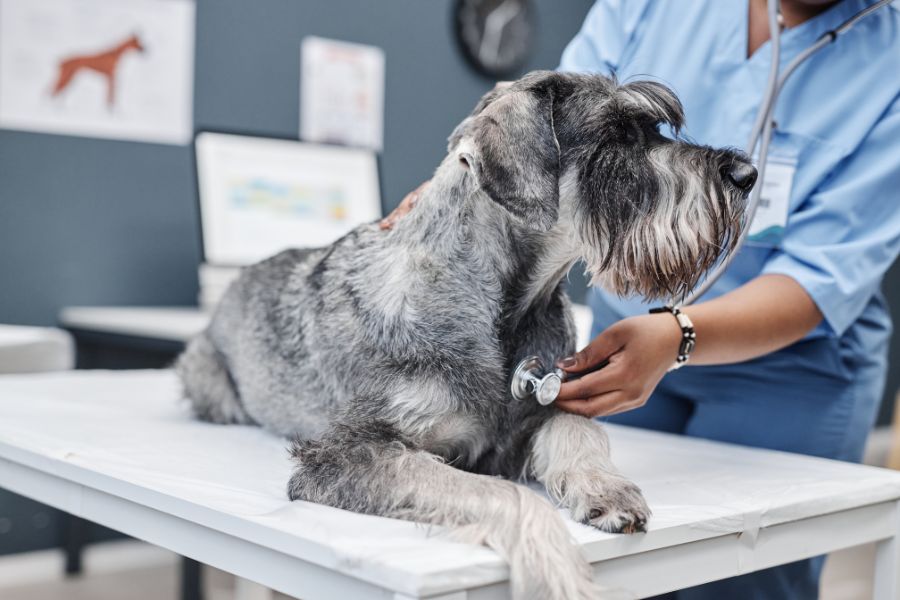
A pet blood panel is one of the most useful tools veterinarians use to understand your pet’s overall health. Whether your dog or cat seems sick, is getting older, or is preparing for surgery, bloodwork can reveal important information that may not show up during a physical exam alone. From checking organ function to spotting infections and hidden diseases early, a pet blood panel gives your vet a clearer picture of what is happening inside your pet’s body. In this guide, you’ll learn what a pet blood panel includes, what the results can reveal, and why routine blood testing is an important part of preventive veterinary care.
What Is a Pet Blood Panel?
A pet blood panel is a laboratory test that evaluates different components of your pet’s blood. It helps veterinarians assess internal organ function, detect illness, monitor ongoing conditions, and establish a health baseline.
Most blood panels include two primary tests:
- Complete Blood Count (CBC)
- Blood Chemistry Panel
Together, these tests provide valuable information about your pet’s health and help your veterinarian make accurate treatment decisions.
Why Do Vets Recommend Bloodwork for Pets?
Veterinarians often recommend blood tests even when pets appear healthy. Many medical conditions develop gradually and may not cause visible symptoms in the early stages.
Routine blood panels can help detect:
- Kidney disease
- Liver disease
- Diabetes
- Infections
- Anemia
- Inflammation
- Hormonal imbalances
- Certain cancers
Early detection often leads to more effective treatment and better long-term outcomes.
What Does a Complete Blood Count (CBC) Show?
A CBC measures the different types of cells circulating in your pet’s blood.
Red Blood Cells
Red blood cells carry oxygen throughout the body. Low red blood cell counts may indicate:
- Anemia
- Blood loss
- Chronic disease
- Nutritional deficiencies
High levels may suggest dehydration or other health concerns.
White Blood Cells
White blood cells help fight infection and inflammation. Abnormal counts can point to:
- Bacterial infections
- Viral illness
- Immune system disorders
- Stress responses
- Leukemia or other blood cancers
Platelets
Platelets help blood clot properly. Low platelet counts may increase the risk of bleeding disorders or indicate immune-related diseases.
What Does a Blood Chemistry Panel Reveal?
A blood chemistry panel evaluates chemicals, enzymes, and organ function markers in the blood.
Kidney Function
Bloodwork measures substances like:
- Blood urea nitrogen (BUN)
- Creatinine
- SDMA levels
Elevated values may indicate kidney disease or dehydration.
Liver Health
Liver enzymes help vets identify liver inflammation, infection, or damage. Changes in liver values can occur before symptoms become obvious.
Blood Sugar Levels
Glucose testing helps diagnose:
- Diabetes
- Low blood sugar conditions
- Stress-related glucose changes
Electrolytes
Electrolytes such as sodium and potassium are important for hydration, nerve function, and muscle activity. Imbalances can signal serious illness.
Protein Levels
Blood proteins help evaluate:
- Nutritional status
- Liver function
- Kidney health
- Immune system activity
Can a Pet Blood Panel Detect Serious Diseases Early?
Yes, a pet blood panel often helps detect health problems before symptoms become severe. This is one of the main reasons routine testing is so valuable.
For example:
- Early kidney disease may only show mild lab changes at first.
- Diabetes can sometimes be identified before significant weight loss occurs.
- Liver disease may appear in bloodwork before visible jaundice develops.
Early diagnosis gives pet owners more treatment options and may improve quality of life.
When Should Your Pet Get Bloodwork?
Veterinarians may recommend blood testing during different stages of your pet’s life.
Annual Wellness Exams
Routine blood panels are commonly included in yearly wellness visits, especially for adult and senior pets.
Before Surgery
Pre-anesthetic bloodwork helps ensure your pet can safely undergo anesthesia. It may reveal hidden conditions that could increase surgical risks.
When Your Pet Is Sick
Blood tests help diagnose symptoms such as:
- Vomiting
- Diarrhea
- Lethargy
- Increased thirst
- Weight loss
- Loss of appetite
For Senior Pets
Older pets are more likely to develop chronic conditions. Regular blood testing helps monitor age-related changes and detect problems earlier.
How Long Does It Take to Get Pet Blood Panel Results?
Many veterinary clinics can perform basic blood panels in-house and provide results the same day. More specialized testing may be sent to an outside laboratory, which can take one to three days. Your veterinarian will review the results carefully and explain what the findings mean for your pet’s health.
What Happens If Bloodwork Comes Back Abnormal?
Abnormal results do not always mean your pet has a serious disease. Some values can change temporarily due to stress, dehydration, medications, or minor illness.
If something unusual appears, your veterinarian may recommend:
- Repeat testing
- Urinalysis
- Imaging such as X-rays or ultrasound
- Additional specialized tests
- Dietary or medication changes
The blood panel acts as an important starting point for diagnosis and treatment planning.
Is Bloodwork Safe for Pets?
Yes, blood testing is considered very safe. Veterinarians collect a small blood sample, usually from a vein in the leg or neck. Most pets tolerate the procedure well, and sedation is rarely needed.
The process is quick and provides valuable information that can support better health care decisions.
How Much Does a Pet Blood Panel Cost?
The cost of a pet blood panel can vary depending on:
- The type of test performed
- Your location
- Whether specialized testing is needed
- Emergency versus routine care
Basic wellness bloodwork is usually more affordable than advanced diagnostic testing. Many pet owners find that preventive blood testing helps avoid more costly treatments later by identifying problems early.
Why Preventive Bloodwork Matters for Long-Term Pet Health
Preventive care is one of the best ways to help pets live longer, healthier lives. Since animals cannot explain how they feel, blood testing helps veterinarians uncover hidden medical issues before they become serious.
Routine blood panels also create a baseline for your pet’s normal health values. This makes it easier to recognize subtle changes over time.
For pets with chronic conditions, regular blood monitoring helps vets evaluate how well treatments are working and adjust care as needed.
Conclusion
A pet blood panel gives veterinarians important insight into your pet’s internal health. From checking organ function to detecting infections and chronic disease early, bloodwork plays a major role in preventive care and diagnosis. Regular diagnostic testing can help catch health concerns sooner, guide treatment decisions, and support your pet’s long-term well-being. If your pet is due for wellness testing or showing unusual symptoms, the veterinary team at Lakewood Animal Hospital in Locust Grove, VA can help you understand what bloodwork reveals and what your pet may need next.
FAQs
Q1: What does a pet blood panel test for?
Ans: A pet blood panel checks red and white blood cells, organ function, blood sugar, electrolytes, proteins, and signs of infection or disease.
Q2: How often should pets get bloodwork?
Ans: Most healthy adult pets should have routine bloodwork once a year, while senior pets or pets with medical conditions may need testing more often.
Q3: Can a pet blood panel detect cancer?
Ans: Bloodwork alone usually cannot confirm cancer, but it may reveal abnormalities that suggest additional testing is needed.
Q4: Should healthy pets still get blood tests?
Ans: Yes, many diseases develop without obvious symptoms at first, and routine blood panels can help detect issues early.
Q5: How should I prepare my pet for a blood test?
Ans: Your veterinarian may ask you to withhold food for several hours before testing, depending on the type of blood panel being performed.


Trusted Pet Care & a Friendly Welcome for Every Pet
