
Hablamos Español
How Often Should Your Pet Have a Wellness Exam? A Guide by Life Stage


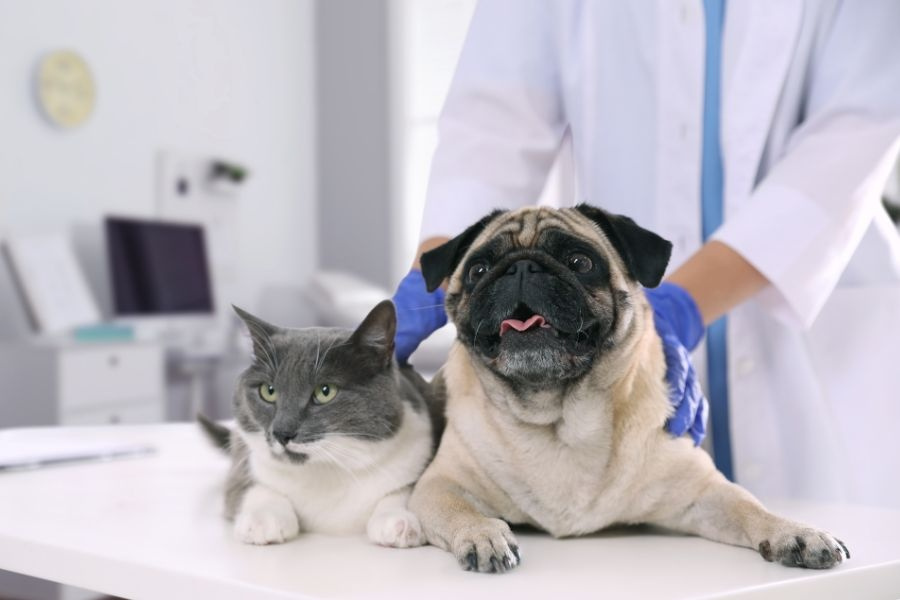
Regular wellness exams are one of the best ways to help pets live longer, healthier lives. From playful puppies and kittens to aging senior pets, each stage of life comes with different health needs that require routine veterinary care. Understanding how often your pet should have a wellness exam can help detect problems early, maintain vaccinations, and keep your furry companion feeling their best.
In this guide, you’ll learn how often pets should visit the vet based on their age, what happens during a wellness exam, and why preventive care matters for lifelong health.
Why Wellness Exams Matter for Pets?
A wellness exam is more than just a quick checkup. These routine veterinary visits allow vets to monitor your pet’s overall health, identify changes early, and prevent small issues from becoming serious medical problems.
Many illnesses in pets develop slowly and may not show obvious symptoms at first. Conditions like dental disease, arthritis, diabetes, obesity, and kidney disease can often be detected during routine exams before they become severe.
Benefits of regular wellness exams include:
- Early disease detection
- Updated vaccinations
- Parasite prevention
- Weight and nutrition monitoring
- Dental health checks
- Behavioral assessments
- Better long-term quality of life
Routine preventive care can also reduce emergency vet visits and costly treatments later on.
How Often Should Puppies and Kittens Have Wellness Exams?
Frequent Visits During the First Year
Puppies and kittens grow rapidly during their first year of life. Because their immune systems are still developing, they need more frequent wellness exams than adult pets.
Most young pets should visit the veterinarian every 3 to 4 weeks starting around 6 to 8 weeks of age until they are approximately 16 weeks old.
During these visits, your veterinarian will:
- Administer core vaccinations
- Check growth and development
- Screen for parasites
- Discuss nutrition
- Monitor weight gain
- Evaluate behavior and socialization
- Recommend spaying or neutering timelines
Common Vaccines for Puppies and Kittens
Core vaccines help protect pets from dangerous and contagious diseases.
For dogs, common core vaccines include:
- Rabies
- Distemper
- Parvovirus
- Adenovirus
For cats, core vaccines typically include:
- Rabies
- Feline viral rhinotracheitis
- Calicivirus
- Panleukopenia
Your veterinarian may also recommend non-core vaccines based on lifestyle and exposure risks.
Wellness Exams for Adult Pets
Annual Exams Are Typically Recommended
Once pets reach adulthood, most healthy dogs and cats should have a wellness exam at least once a year.
Even if your pet appears healthy, annual checkups are important because animals often hide signs of illness. A yearly exam allows your veterinarian to compare changes over time and catch issues early.
During an adult pet wellness exam, your vet may:
- Perform a full physical examination
- Check ears, eyes, skin, and coat
- Listen to the heart and lungs
- Assess weight and body condition
- Examine teeth and gums
- Update vaccines
- Recommend bloodwork or fecal testing
- Discuss diet and exercise
Lifestyle Plays a Role
Some adult pets may need more frequent visits depending on their lifestyle or medical history.
Pets that may benefit from additional exams include:
- Highly active dogs
- Indoor-outdoor cats
- Pets with chronic medical conditions
- Overweight pets
- Pets taking long-term medications
Your veterinarian may recommend wellness visits every 6 months for pets with ongoing health concerns.
Senior Pets Need More Frequent Monitoring
Aging Pets Change Quickly
As pets age, their risk for chronic disease increases significantly. Senior dogs and cats often experience changes in mobility, metabolism, vision, hearing, and organ function.
Most veterinarians recommend wellness exams every 6 months for senior pets.
Because pets age faster than humans, a 6-month gap between exams can be similar to several years in a person’s life.
What Happens During Senior Wellness Exams?
Senior wellness visits are often more detailed and may include additional diagnostic testing.
Common evaluations for older pets include:
- Bloodwork
- Urinalysis
- Blood pressure checks
- Arthritis assessments
- Dental evaluations
- Thyroid testing
- Kidney and liver monitoring
These exams help detect age-related conditions early, when treatment is often more effective.
Signs Your Senior Pet May Need a Vet Visit Sooner
Do not wait for the next scheduled exam if you notice:
- Increased thirst or urination
- Weight loss
- Difficulty walking or climbing stairs
- Changes in appetite
- Bad breath
- Lumps or bumps
- Confusion or behavior changes
- Chronic coughing or vomiting
Prompt veterinary attention can make a major difference in managing senior pet health.
What to Expect During a Pet Wellness Exam?
Many pet owners wonder what actually happens during a wellness exam. These appointments are designed to provide a complete picture of your pet’s health.
A typical wellness exam may include:
Physical Examination
Your veterinarian will check your pet from nose to tail, looking for abnormalities or signs of illness.
Weight and Body Condition Assessment
Weight changes can signal underlying health problems. Maintaining a healthy weight also reduces the risk of diabetes, arthritis, and heart disease.
Dental Evaluation
Dental disease is extremely common in pets and can lead to pain, infections, and organ damage if untreated.
Vaccination Review
Your veterinarian will determine whether your pet needs vaccine boosters based on age, lifestyle, and risk factors.
Parasite Prevention
Routine screening and prevention for fleas, ticks, heartworms, and intestinal parasites are essential for pet health.
Diagnostic Testing
Depending on your pet’s age and medical history, your vet may recommend routine bloodwork, fecal testing, or urinalysis.
Why Preventive Care Saves Money?
Some pet owners delay wellness exams because their pet seems healthy. However, preventive care is usually far less expensive than emergency treatment.
For example:
- Treating early dental disease costs less than advanced oral surgery
- Managing early kidney disease is more affordable than hospitalization
- Detecting obesity early helps prevent diabetes and joint issues
Routine wellness care helps avoid unexpected medical expenses while improving your pet’s quality of life.
How to Keep Track of Your Pet’s Wellness Schedule?
Staying consistent with wellness exams becomes easier with a simple routine.
Helpful tips include:
- Schedule your next appointment before leaving the clinic
- Set phone reminders
- Keep vaccination records organized
- Monitor weight and behavior changes at home
- Ask your vet about personalized wellness plans
Consistency is one of the most important parts of preventive veterinary care.
Wellness Exams and Indoor Pets
Many owners assume indoor pets do not need regular veterinary visits. However, indoor pets can still develop serious health problems.
Indoor cats and dogs are still at risk for:
- Dental disease
- Obesity
- Arthritis
- Diabetes
- Heart disease
- Kidney problems
Routine wellness exams remain important regardless of your pet’s lifestyle.
Conclusion
Knowing how often your pet should have a wellness exam can help support a healthier and longer life. Puppies and kittens need frequent visits during their first year, healthy adult pets usually benefit from annual exams, and senior pets often require checkups every six months. Preventive veterinary care helps detect health problems early, maintain vaccinations, and improve overall well-being. If your pet is due for a wellness visit, contact your animal hospital in Locust Grove, Lakewood Animal Hospital, to schedule an appointment and keep your companion on the path to lifelong health.
FAQs
Q1: How often should a healthy dog have a wellness exam?
Ans: Most healthy adult dogs should have a wellness exam once a year. Senior dogs or pets with medical conditions may need exams every six months.
Q2: How often should indoor cats go to the vet?
Ans: Indoor cats should still have yearly wellness exams because they can develop hidden health conditions such as dental disease, obesity, or kidney disease.
Q3: What age is considered senior for pets?
Ans: Most dogs and cats are considered senior around 7 years old, although large dog breeds may age faster.
Q4: Are wellness exams necessary if my pet seems healthy?
Ans: Yes, many illnesses develop without obvious symptoms. Wellness exams help veterinarians detect health issues early before they become serious.
Q5: What is included in a pet wellness exam?
Ans: A wellness exam typically includes a physical exam, weight check, dental assessment, vaccine review, parasite prevention discussion, and possibly diagnostic tests such as bloodwork or fecal exams.



Trusted Pet Care & a Friendly Welcome for Every Pet
