
Hablamos Español
Arthritis in Senior Pets: Symptoms, Treatment, and Pain Relief Options


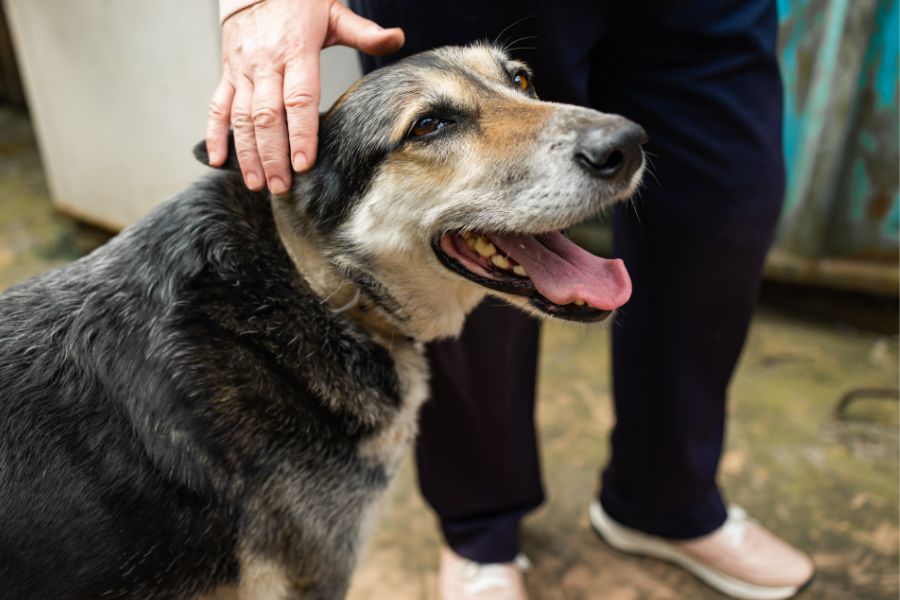
Arthritis is one of the most common chronic conditions seen in older dogs and cats, and it can significantly affect their mobility, mood, and quality of life. As pets age, their joints naturally undergo wear and tear. However, when inflammation, stiffness, and pain begin to interfere with everyday activities, arthritis is often the underlying reason.
Because this disease progresses gradually, the signs are sometimes easy to overlook. Therefore, understanding its symptoms, proper treatment options, and available pain-relief methods is essential for ensuring a comfortable life for your aging companion.
Understanding Arthritis in Senior Pets
Arthritis, often referred to as osteoarthritis or degenerative joint disease, occurs when the protective cartilage that cushions the joints deteriorates. As a result, bones may rub together, causing inflammation and pain. Although arthritis may occur in pets of any age, it is most commonly diagnosed in senior animals whose joints have endured years of repetitive stress.
Additionally, genetics, obesity, old injuries, repetitive strain, and certain medical conditions can increase the risk. It is important to note that arthritis is a progressive condition, meaning it cannot be cured. Nevertheless, with the right management plan, discomfort can be minimized, and mobility can be preserved.
Symptoms of Arthritis in Older Pets
Because pets instinctively hide discomfort, arthritis symptoms can be subtle at first. Yet, early detection plays a major role in effective management. The following signs are commonly observed:
1. Stiffness or Difficulty Moving
A pet may appear stiff after resting or show reluctance to jump, climb stairs, or rise from a lying position. These changes are usually more noticeable in the morning or after long naps.
2. Limping or Favoring a Limb
As joint pain worsens, limping may become visible. In many cases, pets will shift weight away from the painful leg.
3. Behavioral Changes
Irritability, withdrawal, reduced interest in play, and sensitivity to touch may be seen in arthritic pets. These behavioral changes often arise due to chronic discomfort.
4. Decreased Activity Levels
Because movement becomes painful, pets may slow down, avoid exercise, or refuse activities they once enjoyed. Walks may become shorter, and resting periods may increase.
5. Muscle Loss
When joints hurt, muscles surrounding them are used less, causing gradual muscle atrophy. This condition often appears in the hind limbs first.
6. Licking at Joints
Persistent licking or chewing at certain limbs may indicate joint pain or inflammation.
When any of these signs are observed, a veterinary evaluation should be scheduled promptly. Early intervention helps reduce long-term discomfort and prevents further degeneration.
Diagnosis: How Arthritis Is Identified
A thorough veterinary examination is required to diagnose arthritis. During the appointment, joint flexibility, pain response, and range of motion are assessed. Afterwards, X-rays or other imaging tools may be recommended to evaluate bone structure and identify degeneration. In some cases, blood tests might be performed to rule out infections or autoimmune conditions contributing to joint inflammation.
Proper diagnosis allows an individualized treatment plan to be created for your senior pet. In certain regions, clinics offering senior pet care in Locust Grove can also provide additional guidance for long-term support.
Treatment Options for Arthritis in Senior Pets
Although arthritis cannot be reversed, targeted treatments can significantly improve comfort, mobility, and quality of life. A multimodal approach is most effective, meaning multiple therapies are combined.
1. Prescription Medications
Veterinarians frequently prescribe anti-inflammatory medications to reduce pain and swelling. These drugs help pets move more freely and maintain daily activity. In some cases, joint supplements or cartilage protectants may also be recommended to slow degeneration.
2. Weight Management
Extra weight puts additional strain on the joints. Therefore, maintaining a healthy body weight is one of the most impactful ways to reduce arthritis symptoms. A veterinarian may suggest a diet or feeding schedule to support weight reduction if needed.
3. Physical Therapy
Therapeutic exercises are often included in arthritis care plans. Controlled movement helps strengthen muscles, improve joint flexibility, and reduce stiffness. Hydrotherapy, laser therapy, and massage are also frequently used to ease discomfort and enhance mobility.
4. Joint Supplements
Glucosamine, chondroitin sulfate, and omega-3 fatty acids are commonly recommended to support joint function. These supplements promote cartilage health and reduce inflammation when used consistently.
5. Advanced Therapies
Cold laser therapy, platelet-rich plasma (PRP), and stem cell therapy are advanced treatment methods that may be suggested for chronic or severe arthritis. These therapies aim to decrease pain and encourage healing within the joints, making them valuable additions to long-term care plans.
Pain-Relief Options to Improve Daily Comfort
Senior pets with arthritis require consistent, long-term pain management to maintain mobility. Several options are available to help reduce daily discomfort:
1. Medication-Based Pain Control
Pain-relief medications may be prescribed to manage flare-ups or persistent discomfort. Because these medications must be carefully dosed, veterinary guidance is crucial.
2. Supportive Bedding
Orthopedic beds are used to support aging joints and relieve pressure points. A warm, padded sleeping area can ease stiffness and promote restful sleep.
3. Home Modifications
Simple changes at home can greatly improve comfort. Ramps can replace stairs, rugs can prevent slipping, and raised food bowls can reduce strain on the neck and spine.
4. Gentle, Regular Exercise
Movement helps maintain joint flexibility and overall health. Low-impact workouts such as short walks or swimming are ideal. Sudden, intense activities should be avoided to prevent pain flare-ups.
5. Dietary Support
Anti-inflammatory foods and veterinarian-approved diets may reduce symptoms. Diets rich in omega-3 fatty acids often provide noticeable improvements in stiffness and swelling.
Preventing Arthritis Progression
While arthritis cannot be completely avoided, the rate of progression can be slowed through proactive care. Routine veterinary visits, a healthy diet, joint supplements, and controlled exercise all contribute to long-term joint health. Moreover, injuries should be treated promptly to prevent early joint degeneration.
Arthritis is a common condition in senior pets, but it does not have to diminish their quality of life. With early detection, proper treatment, and consistent pain-relief strategies, your pet can remain comfortable and active well into their golden years. By working closely with your veterinarian and making supportive lifestyle adjustments at home, long-term mobility and well-being can be significantly improved.
If you need help developing more content, SEO blog topics, or localized veterinary pages, feel free to ask anytime!


Trusted Pet Care & a Friendly Welcome for Every Pet
